

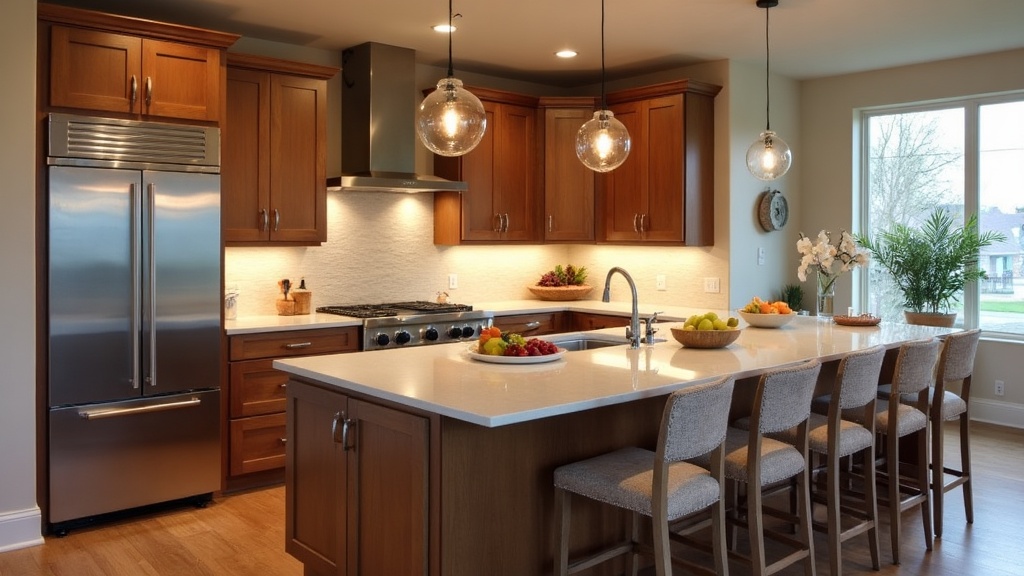
Kitchen Work Zones Are Replacing One-Size-Fits-All Layouts: How to Plan Yours
Plan kitchen work zones layout with Fortress Builders: scope, selections, code-aware checks, and durable design-build decisions for Utah homes.
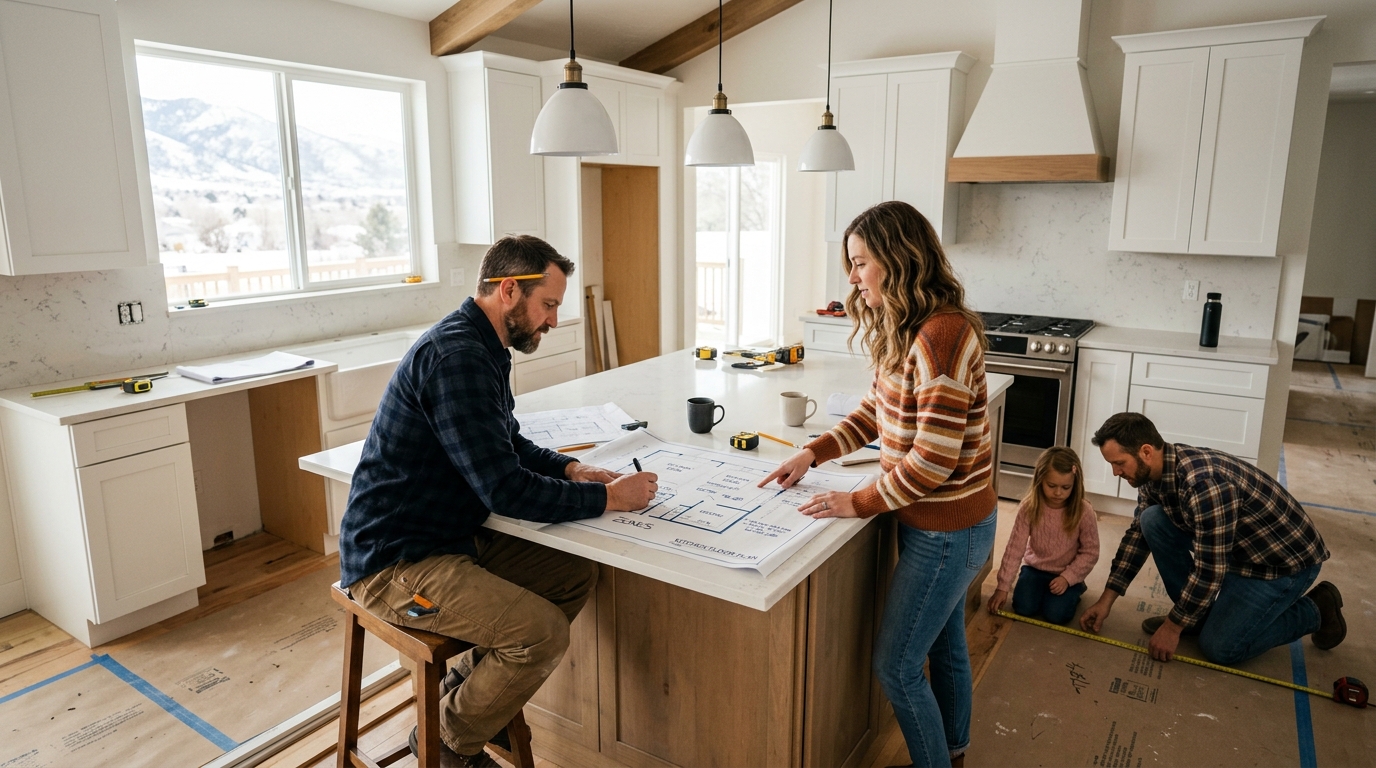
Wondering why your kitchen still feels awkward even when it has enough square footage?
The honest answer is usually layout, not size. A kitchen can look open in photos and still fail in real life if the prep space, cooking area, clean-up path, pantry storage, and island seating all fight each other. That is why I like planning around kitchen work zones layout before homeowners fall in love with cabinets or counters.
In Davis County and Weber County homes, I see the same patterns often: groceries enter from the garage but have no landing space, kids cut through the cook zone to reach the fridge, the dishwasher blocks the sink run, or the island is sized for looks instead of movement. Here’s what that means for you: a function-first plan helps you decide what to keep, what to move, and what not to spend money on.
Why work zones matter in today’s kitchens
The classic kitchen triangle was built around three points: sink, stove, and refrigerator. It still has value. But most homes today ask the kitchen to do more than cooking. Your kitchen may handle homework, lunch packing, coffee, appliance storage, dog bowls, charging, guests at the island, and traffic from the garage or mudroom.
That is why I look at zones first. A prep zone needs counter space, knives, trash access, and lighting. A cook zone needs safe landing space around the range and a ventilation plan. A clean-up zone needs the sink, dishwasher, trash, and dish storage to work together. A pantry zone needs a clear path from grocery bags to shelves. A gathering zone needs seating without blocking the working side of the kitchen.
When these zones are planned clearly, the kitchen feels calmer. You stop stepping around open doors. Two people can work without bumping shoulders. The island becomes useful instead of just large. If you are still deciding where to start, the broader design and layouts guide is the right place to think about the room before finishes.
Where the classic triangle still helps
I do not throw out the work triangle. I just do not let it run the whole remodel. The triangle is still helpful when the sink, cooktop, and refrigerator are too far apart or stacked in a way that makes simple cooking feel inefficient.
Where it falls short is in open kitchens. A Davis County kitchen with a large island, walk-in pantry, garage entry, and family room connection has more paths than the old triangle can describe. If the triangle says the kitchen works but your family still crosses the cook path every five minutes, the plan is not finished.
- Use the triangle to check cooking efficiency.
- Use work zones to check real daily movement.
- Use clearances to protect safety, comfort, and cabinet function.
- Use your normal routines to decide what matters most.
If you are comparing old planning rules against newer zone planning, the approved guide on work triangle vs work zones is a useful companion to this article.
How to map prep, cooking, cleaning, and storage zones
Before I talk cabinet style, I want to know how the kitchen works on a Tuesday night. Where do groceries land? Where do you chop vegetables? Where does trash sit during prep? Where do kids grab snacks? Where do dishes go after the dishwasher is unloaded?
Start with the prep zone. This is usually the most under-planned part of a remodel. A pretty countertop is not enough. You need space near water, knives, trash, spices, and the cook zone. If the best counter space is across a traffic lane, the kitchen will keep feeling interrupted.
Next, map the clean-up zone. The sink, dishwasher, trash, and dish storage should support each other. If the dishwasher opens into the main walkway, that is a daily frustration waiting to happen. If dish storage is across the room, unloading becomes a chore that did not need to be designed in.
Then look at food storage. A pantry is not just shelves. It is the path from the garage, the landing spot for bags, the small-appliance zone, and the overflow storage for bulk items. If pantry planning is part of your remodel, review pantry design ideas before locking in cabinet runs.
Island clearances and traffic mistakes to avoid
Kitchen islands cause more layout problems than almost any other single feature because they look simple on paper. In real life, an island changes walking paths, cabinet access, appliance doors, seating, sightlines, and how people gather.
The mistake is planning the island as a furniture piece instead of a working part of the room. If the island is too wide, the far side becomes dead space. If it is too close to the perimeter cabinets, the dishwasher, oven, or refrigerator door can block the work path. If seating is placed where the cook needs to move, the island becomes a traffic jam.
Here’s what I’d recommend: decide what the island is actually for before deciding the size. Is it prep space? Seating? Storage? A sink location? A landing area for groceries? Each answer changes the right design. The kitchen island size guide can help you think through clearances before the room is drawn too tightly.
When to redesign the footprint instead of cosmetic updates
Sometimes a cosmetic update is enough. New surfaces, better lighting, fresh hardware, and cleaner storage can make a real difference when the bones of the kitchen already work. But if the sink is in the wrong place, the pantry path is broken, the refrigerator blocks the room, or the island pinches every walkway, new finishes will not fix the daily problem.
This is where a clear scope matters. Moving walls, plumbing, electrical, ventilation, or windows changes the project. It also may be the right choice if the current footprint cannot support the way your household actually uses the kitchen. The key is deciding that early, not after cabinets are priced.
If you are in the early planning stage, use the kitchen remodel planning checklist and the main kitchen remodel page to frame your next conversation around scope, not just style.
FAQ: kitchen work zones layout
What is the biggest sign my kitchen needs work zones?
If two normal activities conflict — cooking and unloading dishes, prepping and seating, groceries and pantry access — the kitchen needs zone planning, not just new finishes.
Can work zones fit in a small kitchen?
Yes. Smaller kitchens often benefit most because every cabinet, landing area, and traffic path has to earn its place.
Should I choose cabinets before layout?
No. Cabinet style can wait. Cabinet layout, appliance placement, and clearances should be settled first so the order matches the room.
What should I bring to a design consult?
Bring measurements if you have them, photos of problem areas, appliance wishes, pantry needs, and a simple list of what frustrates you most about the current kitchen.
Ready to talk through scope and timeline?
A design consult is the right first step. We’ll map the scope, timeline, layout, and decisions that need to happen before anyone starts guessing.