

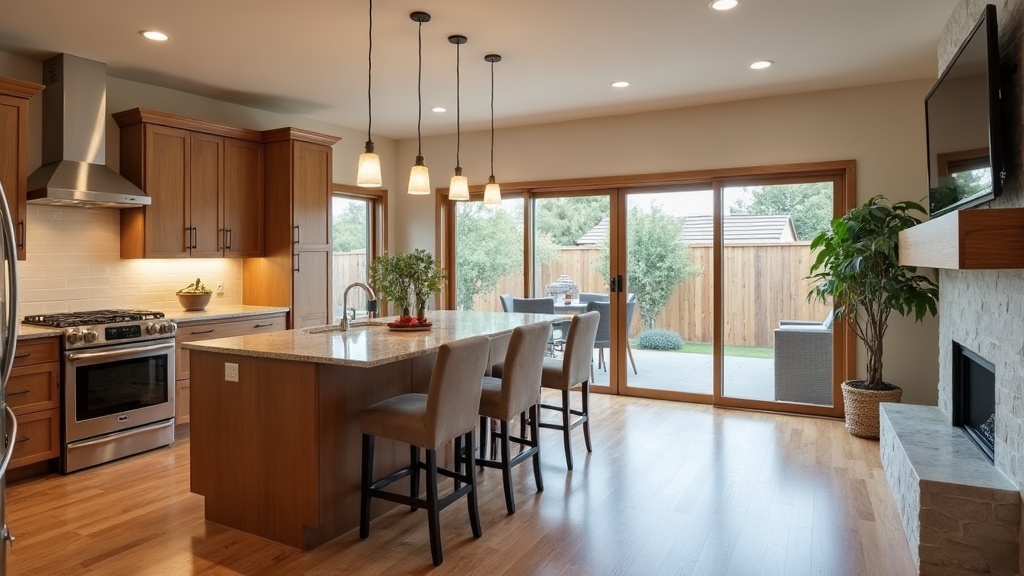
Not Just Kitchens and Baths: Remodel Projects That Change How the Whole Home Works
A practical way to think about remodel projects that do not fit neatly into one room but can change the way your whole home works.
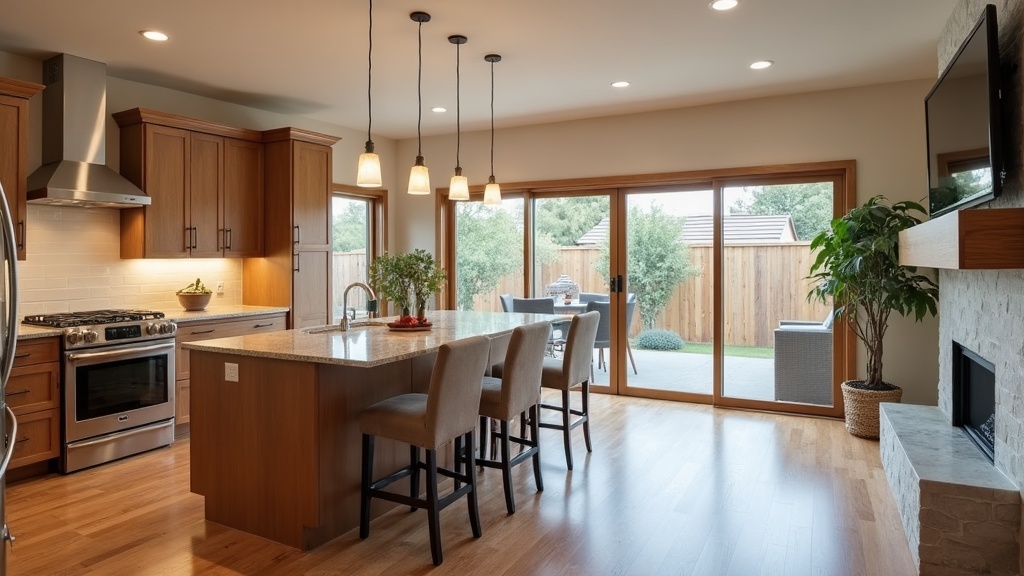
Have a remodel idea that does not fit neatly into “kitchen” or “bathroom”? The honest answer is that many of the most useful projects are not single-room updates. They are flow problems, storage problems, access problems, work-from-home problems, or family-life problems.
In Davis County homes, I often see homeowners start with one complaint: the entry is crowded, the dining area does not connect to the patio, the office is too exposed, or storage is scattered everywhere. The real solution may involve built-ins, an addition, an outdoor connection, or a whole-home plan.
Here’s what I’d recommend: name the problem before naming the project. That keeps the scope clear and prevents you from spending money on the wrong room.
Why some remodels do not fit one category
A remodel can start in the kitchen and end up involving the mudroom, dining room, pantry, patio door, or living room built-ins. That does not mean the scope is out of control. It means the home works as a system.
Additional remodeling services in Utah often become valuable when a homeowner is trying to solve daily friction instead of just update finishes.
What this means for you is that the right project may be smaller or larger than you first thought. The design consult helps define that honestly.
If a decision affects plumbing, framing, electrical, comfort, or daily use, I want it in the scope before construction starts. That is how you protect your home and avoid surprises.
Whole-home flow problems
Flow problems show up in little ways. Shoes pile up near the garage. Guests cross the cooking path. The home office is too noisy. The deck door is in the wrong place. The living room has no storage.
Those issues are not always solved by a cosmetic update. Sometimes they need wall adjustments, built-ins, better transitions, or a phased whole-home plan.
I’d recommend walking through your home at the busiest time of day and noting where people collide, where clutter collects, and where the house slows you down.
Additions, offices, outdoor rooms, and built-ins
An addition can create square footage, but it has to tie into structure, rooflines, utilities, and exterior finish. An outdoor room can add usable living space, but shade, drainage, and access matter.
A home office or flex room can solve work and homework needs without adding square footage. Custom carpentry can create storage and order in places where furniture does not fit well.
The best projects are not always the biggest. They are the ones that solve the right problem.
How to prioritize scope without overbuilding
Prioritizing scope starts with what affects daily life most. Safety, access, layout, storage, water management, and function usually come before decorative details.
If the budget cannot do everything at once, decide what must be built now and what can be phased later without creating rework.
A clear scope gives you control. It helps us protect the main design thread and keep the project from becoming a list of disconnected upgrades.
When to request a design consult
Request a design consult when the problem touches more than one room, when you are not sure which project comes first, or when you need help deciding whether to remodel, add, or rework the layout.
You do not need every answer before that first conversation. You need honest questions, photos, priorities, and a willingness to talk through scope and timeline.
That is how we move from “something is not working” to a plan that respects your home.
A simple planning sequence I’d use
For additional remodeling services Utah, I would not start with the prettiest finish or the most expensive feature. I would start with the way your home needs to work when the project is done. That gives the design a job before the crew begins opening walls, setting rough-ins, or ordering materials.
In Davis and Weber County homes, the sequence matters because basements, additions, outdoor spaces, and flex rooms all have existing conditions that can shape the final scope. Ceiling height, window locations, drainage, mechanical access, electrical capacity, door swings, stair paths, and storage needs can all change what is realistic.
Define the daily use
Write down who will use the space, when they will use it, what frustrates them now, and what the room needs to handle five years from now. This keeps the plan tied to real life instead of a trend.
Check the existing conditions
Before design gets too far, look at structure, moisture, utilities, framing, access, ventilation, and local permit questions. Those details tell us what the room can support without surprise rework.
Set the scope before selections
Once the function and constraints are clear, then materials, fixtures, cabinetry, lighting, and finish details can be chosen with confidence. That is how you keep the remodel built to last.
That step-by-step order may feel slower at first, but it usually saves time later. A remodel gets stressful when decisions are made out of order. A clear scope gives you a calmer project, a more realistic timeline, and a final walkthrough that matches what you expected.
What I’d verify before the final scope
Before I called the scope final for Not Just Kitchens and Baths: Remodel Projects That Change How the Whole Home Works, I would verify the practical details that can change the build. That may include permits, inspection path, egress, ventilation, drainage, electrical capacity, structural tie-ins, moisture history, material compatibility, or access to mechanical systems.
This is where no surprises really starts. The design can look clean, but the home still has to be buildable. I would rather pause for the right check than push forward and discover during construction that a wall, window, drain, vent, or electrical run needs to move.
If the project touches code-sensitive areas, rental-style use, sleeping space, plumbing, exterior work, or structural changes, verify those details with the right local building department or qualified specialist. That keeps the plan honest and protects your home before the crew is deep into the work.
Questions homeowners ask before they decide
What counts as an additional remodel service?
Projects like built-ins, offices, outdoor living, additions, whole-home flow updates, and custom carpentry often fall outside a simple kitchen or bath category.
How do I know which remodel comes first?
Start with the daily problem that affects your family most. Then look at structure, budget, schedule, and whether one project would create rework if delayed.
Can smaller projects change how a home works?
Yes. Built-ins, doorway changes, lighting, storage, and flex spaces can make a big difference when they solve the right problem.
Should I plan multiple rooms at once?
Often, yes, even if you build in phases. Planning together helps finishes, systems, and layout decisions stay connected.
Ready to talk through a remodel that does not fit one simple category?
Ready to talk through scope and timeline? A design consult is the right first step. We’ll walk through how your home is used, what the layout can support, what needs to be verified, and how to protect the project from surprise changes.
Planning note: Remodel scope, permits, inspection requirements, and existing conditions vary by city and home. Use this article as a practical starting point, then verify project details through your local jurisdiction and a qualified contractor before construction begins.