

Bedroom, Gym, Office, or Playroom? How to Zone a Basement Before Framing
A practical approach to mapping basement bedrooms, gyms, offices, playrooms, guest zones, storage, and mechanical access before walls become expensive to move.
Trying to decide whether your basement should become a bedroom, gym, office, or playroom? The honest answer is that basement space planning in Utah should start with zones, not walls. Once framing begins, every change costs more time, more coordination, and more disruption.
In Davis and Weber County basements, zoning is shaped by real constraints: stairs, window wells, plumbing rough-ins, ducts, beams, ceiling height, mechanical rooms, and storage needs. The best plan works with those conditions instead of pretending they are not there.
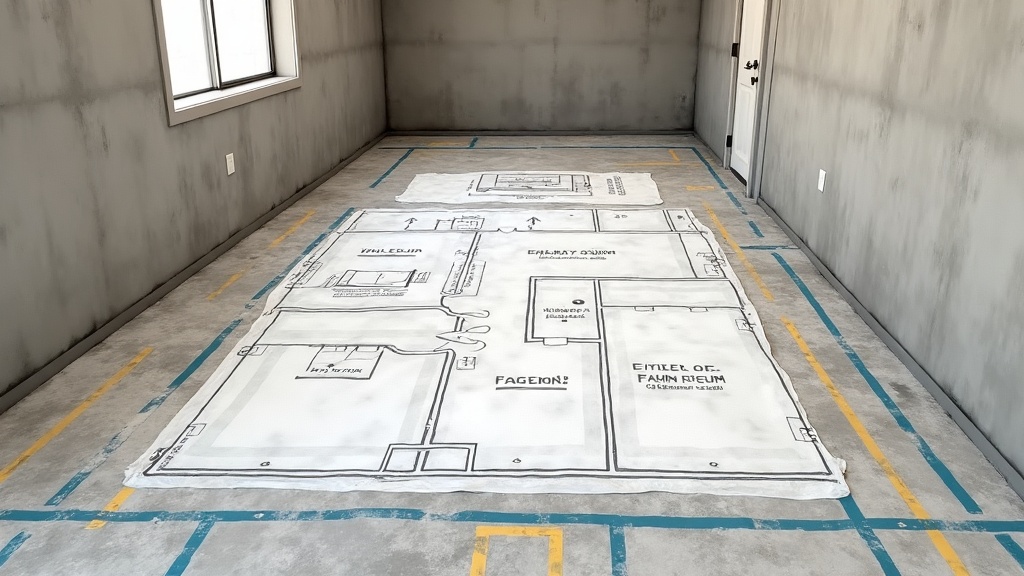
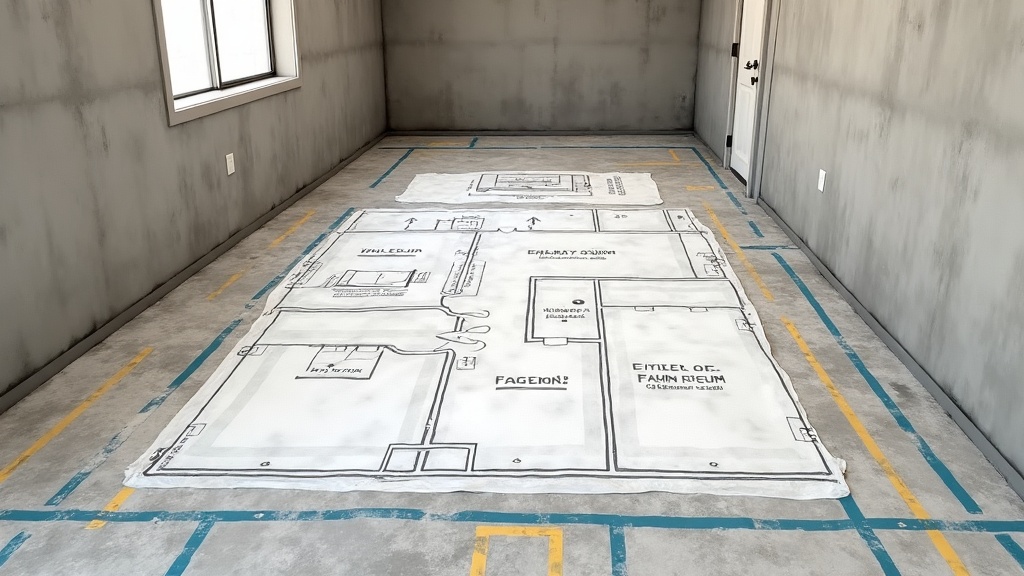
Here’s what I’d recommend: walk the basement, mark the likely zones on the floor, and decide what each area needs before the framing layout is final.
Why zoning beats guessing
Guessing creates basements that look finished but do not live well. Zoning gives each part of the basement a job. It also helps you see conflicts before they become framed walls.
A playroom near the stairs may work when kids are younger. A bedroom may need more privacy and better sound separation. A gym may need durable flooring and ventilation. A home office may need daylight, outlets, and quiet.
I like to mark basement zones before framing because it forces the plan into real space. If it feels wrong on the floor, it will not magically feel right after drywall.
How stairs, windows, and plumbing shape the plan
The basement already has a structure. Stairs create the main arrival point. Windows shape bedrooms and daylight. Plumbing stacks influence bathrooms and kitchenettes. Ducts and beams affect ceiling height. Mechanical systems need access.
Stairs
The stair landing should connect logically to the main living zone, not dump into a tight hallway.
Windows
Egress and daylight should guide bedroom, office, and living area placement.
Plumbing
Use existing rough-ins where they make sense, but do not let them force a bad bathroom layout.
Mechanical access
Keep service paths practical for panels, furnaces, water heaters, shutoffs, and cleanouts.
Bedroom and office placement
Bedrooms need privacy, safe egress, closet planning, and comfort. Offices need quiet, good light, enough outlets, and a camera-friendly wall if you work on calls. Those needs are different, so they should not be placed casually.
If you are considering future guest use or multigenerational support, review in-law suites and apartments early. Even if you are not building a full suite, the privacy and access questions can shape a better layout.
For daily work, home office and flex space planning should include sound, lighting, heating, and storage instead of only desk placement.
Flexible zones for kids, fitness, and guests
Flexible zones are useful when they are planned honestly. A room cannot be a gym, theater, guest room, and storage room all at once without compromises. But it can be designed to shift as your family changes.
Kids and teens
Plan durable finishes, sightlines, storage, and sound control.
Fitness
Think about floor impact, mirrors, ventilation, ceiling height, and equipment clearance.
Guest space
Consider privacy, bathroom access, lighting, and closet or luggage storage.
Media or theater
Plan wiring, sound, lighting, and seating before drywall.
This is where comfort and sound planning can keep one zone from bothering another.
What to mark on the floor before framing
Before framing, tape the plan on the concrete. Walk the paths. Stand where the desk will go. Pretend to open doors. Look at window locations. Check storage access. This catches problems fast.
- Door swings and hallway widths
- Furniture placement and walking paths
- Bedroom, office, gym, and playroom zones
- Bathroom, kitchenette, and plumbing locations
- Storage and mechanical access
- Light switches, outlets, and ceiling obstructions
If the zones make sense on the floor, the framing plan has a better chance of working in real life.
Questions homeowners ask before they decide
What is basement zoning?
It means assigning each area a job before framing: bedroom, office, playroom, gym, guest space, storage, bathroom, theater, or mechanical access.
Should I frame first and decide rooms later?
No. Framing should follow the plan. Deciding later often causes rework, awkward rooms, or missed code and comfort details.
Where should a basement bedroom go?
Usually where egress, privacy, comfort, and layout all work. Local code and inspection requirements should be verified before framing.
Can a basement room stay flexible?
Yes, if you plan outlets, lighting, storage, sound, and access so it can shift uses over time.
Ready to map your basement before the walls go up?
Ready to talk through scope and timeline? A design consult is the right first step. We’ll walk the space, mark the zones, and build the plan around how your family will actually use the basement.
Planning note: Remodel scope, permits, inspection requirements, and existing conditions vary by city and home. Use this article as a practical starting point, then verify project details through your local jurisdiction and a qualified contractor before construction begins.