

New Traditional Remodeling: Classic Details That Still Work for Busy Families
A practical look at traditional remodel Utah planning for classic details, warm finishes, storage, and family-friendly function.
Thinking about traditional remodeling but worried it will feel too formal? The honest answer is that traditional can feel current when the details earn their place.
New traditional design is not about turning your home into a museum. It is about proportion, classic detail, warm lighting, durable materials, and storage that supports daily family routines.
Here’s why I like this direction when it fits the home: it can feel settled, useful, and built to last without chasing every trend.
What traditional means now
Traditional now usually means warmer, cleaner, and more livable than the overly formal version many people picture. It can include classic cabinet doors, trim, panel details, warm metals, arches, curves, and carefully used pattern.
The key is restraint. A busy family does not need a room that looks afraid to be used. It needs durable surfaces, practical storage, and details that feel natural in the home.
What this means for you: traditional style should support the way your home works, not make you feel like you have to protect every finish.
If a decision affects layout, storage, lighting, waterproofing, comfort, trim, or daily use, I want it in the scope before construction starts. That is how you keep the project clear and avoid surprises.
Classic details that still earn their place
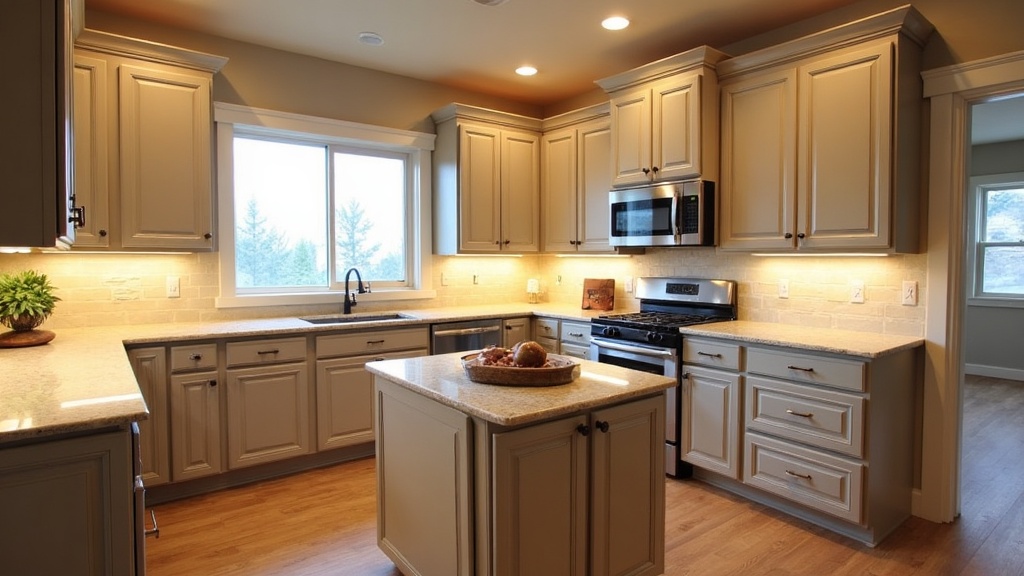
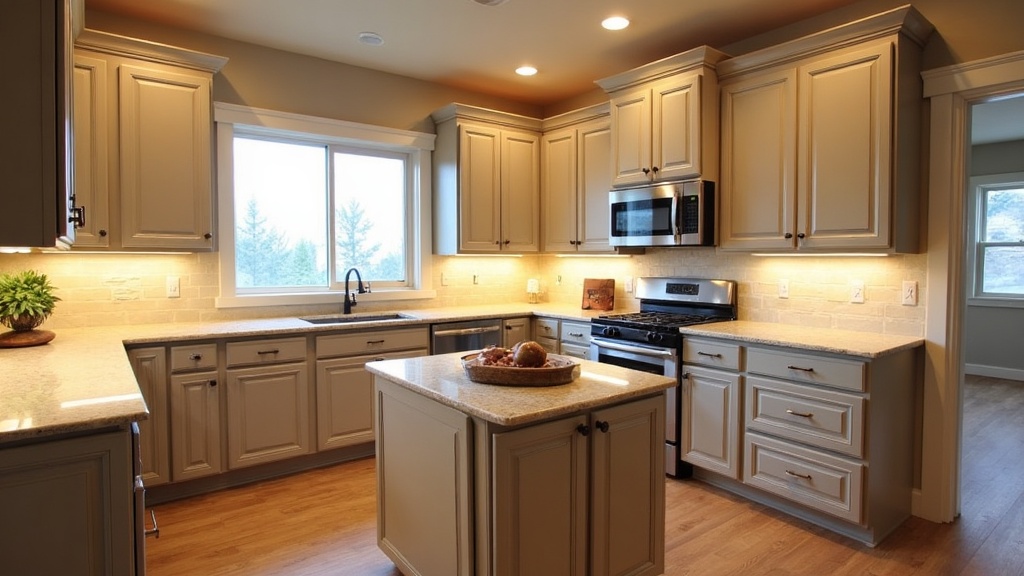
Classic details earn their place when they solve scale, storage, or transition problems. Built-ins can frame a fireplace. Trim can connect old and new work. Cabinet details can give a kitchen structure without making it fussy.
Curves, arches, paneling, and warm metal hardware can add character, but they should be chosen carefully. Too many details can make the room feel heavy.
I’d recommend picking a few strong details and letting them repeat with purpose.
Cabinets, trim, tile, and hardware
Cabinets, trim, tile, and hardware carry traditional design. Cabinet proportions should feel balanced. Trim should connect cleanly. Tile should add interest without overwhelming the room. Hardware should feel good in your hand and match the level of detail in the cabinets.
Warm brass, bronze, or black accents can work, but they need to be coordinated with lighting, plumbing fixtures, and adjacent rooms.
In Davis County homes, I often look at existing baseboards, door casing, stair details, and window trim before choosing how traditional the remodel should become.
How to avoid overdecorating
Overdecorating happens when every surface tries to be the feature. Patterned tile, detailed cabinets, heavy trim, statement lighting, ornate hardware, and strong counters all at once can compete.
The better move is hierarchy. Decide what gets attention and what stays quiet. A detailed range wall may need simpler perimeter cabinets. A patterned floor may need calmer shower tile.
Traditional design lasts longer when the room has breathing room.
Where traditional style works best
Traditional style works well in kitchens, bathrooms, built-ins, family rooms, and whole-home remodels where the architecture can support detail. It is especially useful when you want the remodel to feel original rather than newly inserted.
It can also be family-friendly. Closed storage, durable counters, easy-clean tile, warm lighting, and well-planned mudroom or pantry details are all traditional decisions when handled properly.
The final walkthrough should not feel like you built a room for photos. It should feel like your home became more useful and more settled.
Questions homeowners ask before they decide
How should I use traditional remodel Utah examples before calling?
Save the photos that match a real problem in your home, then write down what you like about layout, storage, lighting, materials, or transitions. That makes the design consult more useful.
What can portfolio photos not show?
Photos usually cannot show waterproofing, HVAC balance, wiring, framing corrections, moisture checks, or the full sequence that happened before finish work.
Should I choose style or scope first?
Start with scope. Style matters, but the room has to work for your real daily routines before finish selections can do their job.
How many inspiration photos should I bring?
A small set of focused examples is better than a huge folder. Bring a few photos and notes about what you like, what you do not like, and what problem each example helps explain.
When should I request a design consult?
Request one when you are ready to connect inspiration to your actual home, existing conditions, budget expectations, and timeline questions.
Ready to talk through scope and timeline?
Ready to talk through scope and timeline? A design consult is the right first step. We’ll walk through how your home is used, what the layout can support, which details need verification, and how to protect the project from surprise changes.
Planning note: Remodel scope, permits, inspection requirements, and existing conditions vary by city and home. Use this article as a practical starting point, then verify project details through your local jurisdiction and a qualified contractor before construction begins.