

What Finished Basement Photos Can—and Cannot—Tell You About a Remodel
A finished basement portfolio Utah homeowners can use to study layout, comfort, lighting, and the hidden questions behind the photos.
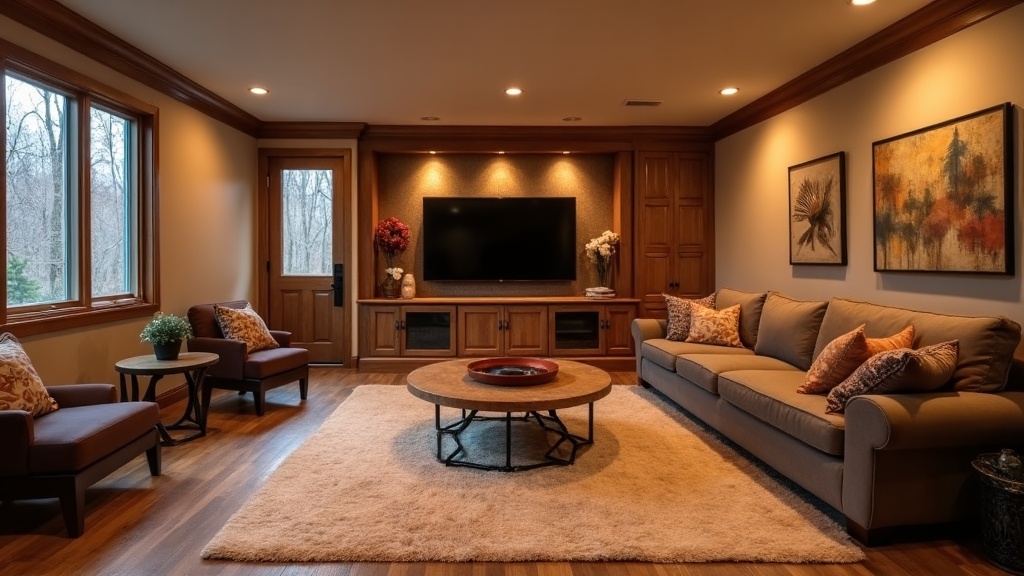
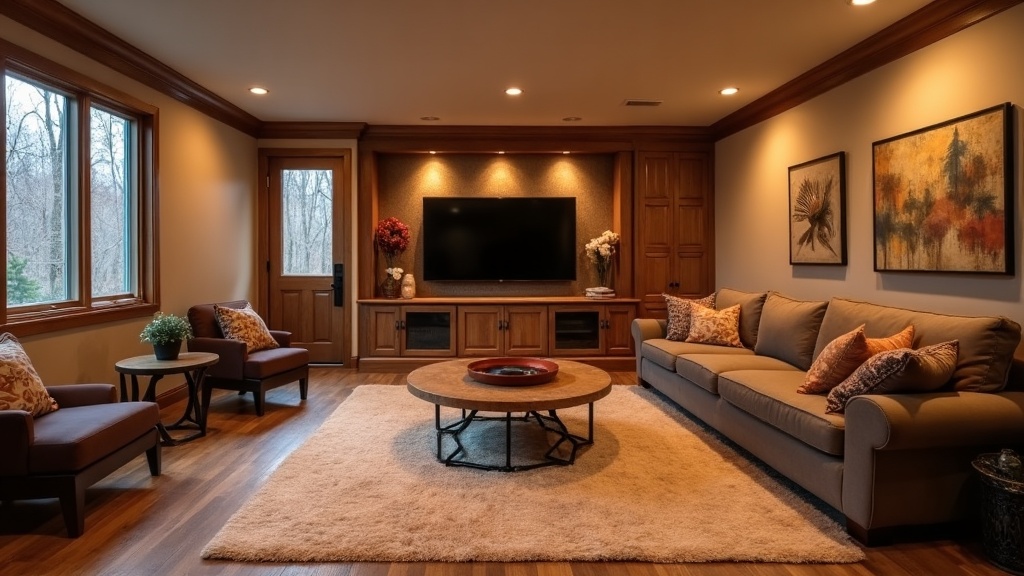
Looking at finished basement photos and wondering what they really tell you? The honest answer is that they show the feeling of the finished space, but not all the planning that makes it work.
A basement can photograph warm, clean, and comfortable while still hiding important decisions: egress, moisture management, sound control, HVAC balance, electrical planning, and mechanical access.
Here’s what I’d recommend for Davis and Weber County homes. Use basement photos to shape your goals, then ask what had to happen before drywall, flooring, and lighting made the space feel finished.
What basement photos can show well
Basement photos are useful for understanding zones. You can see whether the room supports a family area, gym, guest bedroom, office, theater, storage wall, wet bar, or kids’ space.
They also show finish direction: flooring, ceiling treatment, trim, paint, lighting temperature, built-ins, and furniture scale. Those choices affect whether the basement feels like part of your home or a separate lower-level room.
What this means for you: save basement photos for layout clues first, then finish inspiration second.
If a decision affects layout, storage, lighting, waterproofing, comfort, trim, or daily use, I want it in the scope before construction starts. That is how you keep the project clear and avoid surprises.
What they cannot show behind the walls
A photo cannot fully show moisture planning, foundation checks, window well conditions, insulation, HVAC balancing, duct noise, sound separation, or whether a bedroom has proper egress.
It also does not show how mechanical access was preserved. A finished basement should not bury valves, panels, cleanouts, or equipment that may need service later.
I’d ask what was checked before framing and what systems were adjusted before drywall. That answer matters more than the paint color.
Lighting and comfort clues
Lighting is one of the easiest clues to read in a basement portfolio. Does the space feel warm without looking dim? Are lights placed by activity zones? Is there glare on the TV? Does the stair area feel connected?
Comfort is harder to see but still leaves clues. Carpet, LVP, area rugs, ceiling choices, wall finishes, and furniture layout can all support a warmer, quieter room.
A basement should not feel like an office or storage room with furniture. It should feel planned.
Egress, bath, and storage questions
If a basement photo shows a bedroom, ask about egress. If it shows a bathroom or kitchenette, ask about rough-ins, venting, drainage, and inspections. If it shows storage, ask how mechanical access is handled.
Basement remodel examples can inspire you, but your home may have different window locations, ceiling height, plumbing stacks, columns, stairs, or mechanical rooms. Those conditions shape the scope.
The careful planner’s move is to compare the photo to your real basement before assuming the same layout will work.
How to prepare a better basement consult
Bring photos and questions to the consult. Tell me what you like about the room: light, warmth, zones, storage, ceiling, flooring, or furniture layout. Then tell me what your basement currently feels like.
The best basement consult connects inspiration to existing conditions. We look at windows, plumbing, moisture, mechanicals, ceiling height, and traffic flow before the design gets too far.
That is how you get a clear scope, no surprises, and a basement that feels useful after the final walkthrough.
Questions homeowners ask before they decide
What should I decide before I schedule a design consult?
Start with what is not working in your home, what you want the space to do, and which examples or details caught your eye. You do not need every finish selected before the first conversation.
Why does clear scope matter so much?
Clear scope protects the budget, timeline, and final walkthrough. It also keeps design decisions from becoming surprise construction changes later.
Should I verify local requirements before construction starts?
Yes. Permits, inspections, use classifications, and existing conditions vary by city and home, so the project should be verified before work begins.
Can photos tell me everything I need to know?
No. Photos help you see style, proportion, storage, lighting, and craftsmanship, but they cannot show every hidden system behind the finished walls.
When is the right time to call Fortress Builders?
Call when you need help turning ideas into a clear scope, realistic sequence, and buildable plan for your home in Davis or Weber County.
Ready to talk through scope and timeline?
Ready to talk through scope and timeline? A design consult is the right first step. We’ll walk through how your home is used, what the layout can support, which details need verification, and how to protect the project from surprise changes.
Planning note: Remodel scope, permits, inspection requirements, and existing conditions vary by city and home. Use this article as a practical starting point, then verify project details through your local jurisdiction and a qualified contractor before construction begins.