

Before You Finish a Utah Basement, Decide What the Space Is Supposed to Do
A grounded way to define basement function, code needs, comfort, storage, moisture, and layout before framing starts.
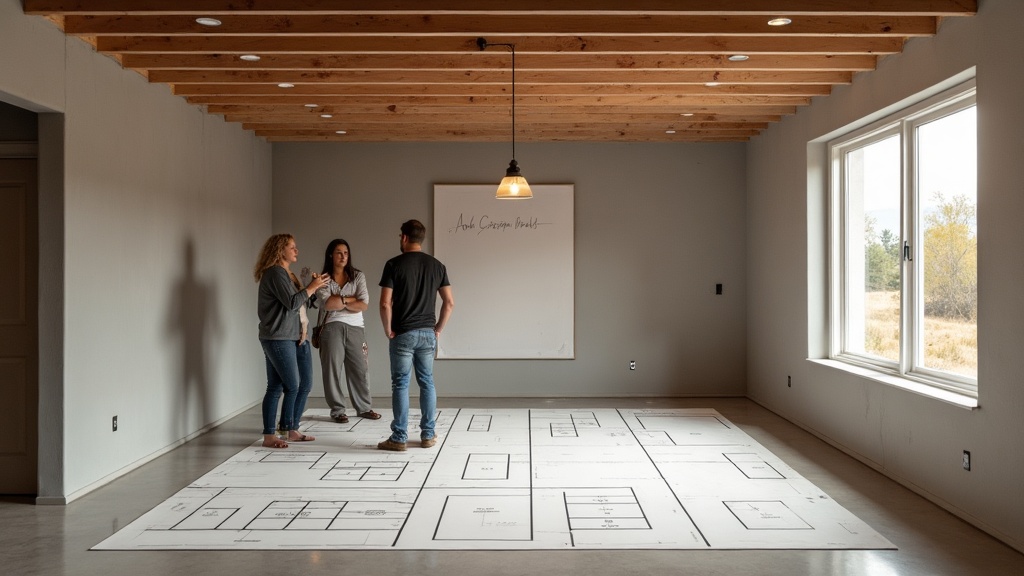
Thinking about finishing your basement this year? The honest answer is that basement finishing Utah planning should start with what the space is supposed to do, not what flooring or paint color you like. A basement can become guest space, a teen hangout, an office, a gym, a theater, storage, or multigenerational support — but it rarely does all of those well without a clear plan.
In Davis County and Weber County homes, the basement already gives us clues. Window wells, plumbing rough-ins, stairs, mechanical rooms, ducts, beams, and ceiling height all shape the layout before framing starts.
Here’s what I’d recommend: decide the purpose first. Then build the scope around code, comfort, moisture, lighting, sound, and future flexibility.
Why basement purpose comes before finishes
Finishes make a basement look done. Purpose makes it useful. If you start with LVP, carpet, paint, or a theater wall before deciding how the basement needs to work, you may end up with a finished space that still feels leftover.
A family room needs circulation and furniture walls. A bedroom needs egress and privacy. A gym needs durable flooring and ventilation. A home office needs quiet, lighting, and outlets. A kitchenette or bathroom needs plumbing and venting decisions early.
A finished basement should feel like part of your home, not leftover square footage. The best basements are planned around real life before they are framed.
Code, egress, and bedroom planning
If you want a legal bedroom, egress is not optional. Window size, window well conditions, access, smoke/CO requirements, and local inspection expectations need to be verified before framing.
I would also think about how that bedroom will be used. Is it for a teenager? Guests? A parent? Future flexibility? The answer affects privacy, closet location, bathroom access, lighting, and sound control.
This is where space planning matters. The bedroom should not be placed only where it fits. It should be placed where it works.
Egress requirements come from the International Residential Code, which Utah has adopted with local amendments. Specific window size, sill height, and well dimensions should be confirmed with your city building department before finalizing the room layout.
Moisture, comfort, and sound basics
A basement can look finished and still feel cold, echoey, or disconnected. Comfort decisions belong in the planning phase, not after drywall.
Moisture
Check drainage history, wall conditions, humidity, and any signs of water before covering surfaces.
Warmth
Plan insulation, floor assembly, HVAC balance, and return air so the basement does not feel like a separate climate.
Sound
Think about bedrooms, offices, theaters, laundry rooms, and ceiling paths before drywall.
Lighting
Basements need layered light because natural light is usually limited.
If comfort matters, review comfort and sound decisions before the ceiling is closed.
Already picturing what your basement could become?
Talk Through Your LayoutWhere to place bathrooms, storage, and mechanical access
Bathrooms and kitchenettes often make a basement more useful, but they need to be placed with plumbing, venting, ceiling height, and access in mind. Moving drains or adding pumps can change the scope quickly.
Storage should not be an afterthought. A basement that loses all storage to finished rooms may solve one problem and create another. Mechanical access also needs respect. Furnaces, water heaters, panels, cleanouts, and shutoffs should remain reachable.
Bathroom placement
Use existing rough-ins when they support the plan, but do not force a bad layout just to avoid a conversation.
Storage zones
Plan seasonal storage, sports gear, and household overflow before every wall is framed.
Mechanical access
Keep service paths practical so future maintenance does not require damage.
Kitchenette planning
Coordinate plumbing, electrical, ventilation, cabinets, and appliance expectations early.
Questions to answer before framing
Before framing, mark the basement on the floor and walk it. That simple step catches problems drawings can miss.
- What is the primary job of the basement?
- Which rooms need windows, privacy, or sound separation?
- Where are plumbing, drains, ducts, beams, and mechanical systems?
- Will the space need a bathroom, kitchenette, bedroom, office, gym, or theater?
- How will the basement stay warm, dry, quiet, and connected to upstairs?
- What should remain flexible for your family five or ten years from now?
A clear scope before framing saves rework. Once walls are up, every change gets heavier.
Questions homeowners ask before they decide
What should I decide first before finishing a basement?
Decide what the basement is supposed to do: bedroom, guest space, office, gym, family room, storage, bathroom, theater, or flexible living space.
Can any basement room become a bedroom?
Not automatically. Bedrooms typically require code-compliant egress and other safety requirements that should be verified locally.
Should I finish the whole basement at once?
Maybe, but only if the plan makes sense. Sometimes phasing is smarter, especially if plumbing, moisture, or mechanical access needs more work first.
Why does basement layout matter so much?
Because stairs, windows, plumbing, ducts, beams, ceiling height, and mechanical rooms shape what the basement can become.
Not sure what your basement should become yet?
That is exactly what the first conversation is for. Ready to talk through scope and timeline? A design consult is the right first step before framing, plumbing, lighting, and drywall decisions get locked in.
Planning note: Remodel scope, permits, inspection requirements, and existing conditions vary by city and home. Use this article as a practical starting point, then verify project details through your local jurisdiction and a qualified contractor before construction begins.