

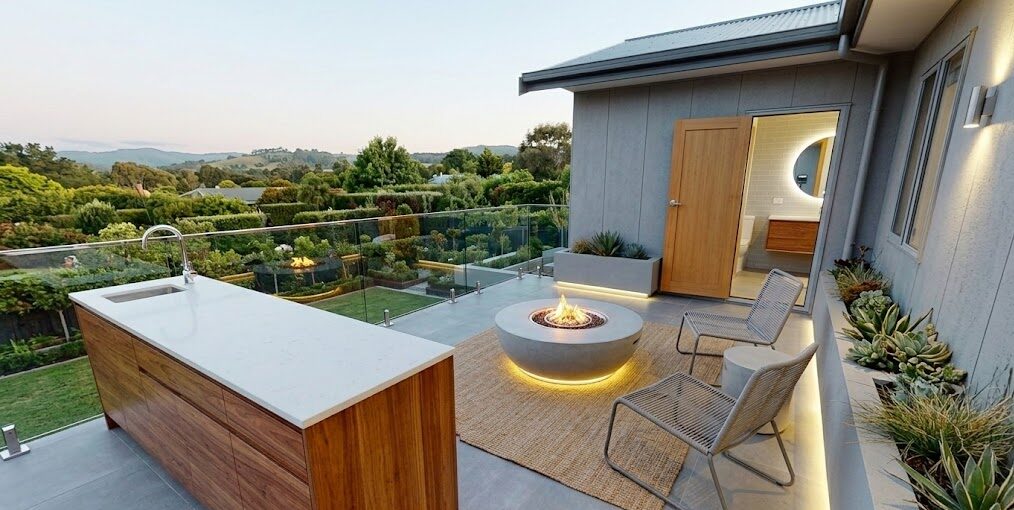
Deck vs patio Utah: how to choose what fits your lifestyle and Utah seasons
Outdoor Living in Utah: Deck vs. Patio vs. Covered Space
Utah has some of the best outdoor months anywhere—bright sun, cool evenings, and long summer days. It also has real weather: snow load, wind, intense UV, and freeze–thaw cycles that punish the wrong materials.
This comparison guide is built for homeowners searching for deck vs patio Utah, covered patio vs deck, and the practical realities of outdoor living Utah seasons, including freeze thaw outdoor materials and deck maintenance vs patio.
In this guide, you’ll learn:
- how decks, patios, and covered spaces differ in comfort and durability,
- how sun, wind, and snow shape the best choice for your lot,
- what maintenance looks like over time,
- what “freeze–thaw ready” actually means in real materials,
- how to budget intelligently without under-building the structure,
- and a decision checklist to pick the option that fits your life (and your climate).
The Fortress Builders is a Utah design–build company built on one principle: strength through structure. Outdoor living is a perfect example—when the foundation, drainage, framing, and weather details are right, the space stays beautiful and usable for years.
Helpful pages while you plan:
The “best” outdoor space is the one you’ll actually use—comfort and climate decide more than trends
Decks, patios, and covered outdoor spaces can all be excellent. But they excel in different situations. The wrong choice usually happens when homeowners pick based on a single factor—like cost, style, or what a neighbor built—without matching it to how the household actually lives and what the site demands.
Practical truth: In Utah, outdoor living success comes down to three things: sun control, water management, and materials that handle freeze–thaw.
Start with how you’ll use the space (hosting, quiet mornings, kids, pets, or cooking)
Before you compare construction types, define the job the space needs to do. This keeps you from overspending on features you won’t use—or under-building something that needs to perform like a true “outdoor room.”
Common use cases that point toward different solutions
- Everyday grilling + dinner outside: often benefits from a patio or covered space near the kitchen.
- Relaxing and lounging: can work on any surface, but shade and wind control matter most.
- Hot tub / spa zone: needs strong structure, slip-resistant surfaces, and thoughtful drainage.
- Outdoor kitchen: usually needs a more permanent, utility-ready platform. See Outdoor Kitchen Planning.
- Kids/pets + high traffic: needs durable, easy-clean surfaces and safe edges/rails where applicable.
- Privacy-first hangout: may favor a covered or partially screened space with lighting and wind breaks.
Quick self-assessment: Which of these is most true for you?
- “We want a place to eat outside 3–5 nights per week.”
- “We host groups and want it to feel like an extension of the house.”
- “We mainly want a relaxing corner for coffee, reading, and quiet.”
- “We want a space that works with kids/pets and doesn’t require constant upkeep.”
- “We want shade—Utah sun is the problem we’re solving.”
Decks: best for elevation changes, views, and “step out” access—when the structure is done right
A deck is essentially an elevated platform. That makes it useful when your main floor sits above the yard, the slope is significant, or you want to capture a view. It can also create a more direct indoor-outdoor flow from a kitchen or living room on an upper level.
When a deck tends to be the best choice in Utah
- Your backyard drops away from the house and you want usable space at the main level.
- You want an elevated view or better breezes in warmer months.
- Ground-level patios would require extensive grading or retaining work.
- You want under-deck storage or want to convert under-deck space into a usable zone.
Deck maintenance vs patio: what to expect over time
Decks typically require more maintenance because they’re exposed on all sides and involve more joints, fasteners, and edges where water can intrude. In Utah, intense sun plus moisture cycles can accelerate wear if the surface and details aren’t designed for it.
- UV exposure: can fade finishes and heat up surfaces.
- Snow and melt cycles: can push water into seams if drainage is poor.
- Movement: decks can shift slightly over time; good structure and connections matter.
Best deck advice: Don’t “value engineer” the structure. Rail safety, connection detailing, and water management are not optional features.
Patios: best for durability, low maintenance, and seamless connection to the yard
Patios are ground-level outdoor floors—often concrete, pavers, or stone systems. In Utah, patios are popular because they’re stable, easy to clean, and tend to be lower maintenance than decks.
When a patio tends to win
- Your yard is relatively level (or can be made level without extreme retaining work).
- You want a space that can handle grills, furniture, kids, and pets with minimal upkeep.
- You want easier access to the yard for play, gardening, or dogs.
- You want a more permanent platform for future upgrades (pergola, outdoor kitchen, fire feature).
Freeze–thaw outdoor materials: what “durable” really means
Freeze–thaw durability is about managing water. Water gets into tiny pores or joints. When it freezes, it expands. Over repeated cycles, that can cause cracking, surface spalling, or joint failure if the system isn’t designed and installed correctly.
Patio durability factors to pay attention to
- Drainage slope: water should move away from the house and not pond on the surface.
- Sub-base preparation: a stable base reduces movement and settling.
- Control joints (for concrete): help manage cracking locations (cracking is common; the goal is controlled cracking).
- Edge restraint (for pavers): keeps the field stable and prevents creep.
- De-icing habits: be cautious with harsh de-icers; follow manufacturer guidance for your surface type.
Patio comfort tip: Patios can run hot in direct sun. Shade planning (pergola, cover, trees) often matters more than the patio material itself.
Covered space: the comfort multiplier that makes Utah outdoor living usable longer
If you want outdoor living that feels like a true extension of the home, coverage is often the upgrade that changes everything. Whether it’s a covered patio, roofed deck, or integrated outdoor room, coverage improves comfort by managing sun and precipitation.
Covered patio vs deck: what’s different?
- Covered patio: usually ground-level, easy access to yard, often better for dining and entertaining flow.
- Covered deck: often best when the home sits high above grade; captures views and creates a more direct “step out” connection.
- Fully integrated outdoor room: can include lighting, fans, heaters, and sometimes partial wind screens—more like a third living area.
Coverage adds planning requirements
Because a covered structure interacts with the home (rooflines, drainage, and structural loads), it’s worth planning early—especially if you’re combining it with an addition or major remodel. For how planning and milestones prevent rework, see Whole-Home Remodel Sequencing.
Utah seasons reality: Shade is comfort in summer; cover is usability in shoulder seasons. If you want more months outside, coverage is often the best ROI in daily life.
Sun and wind exposure: why “site reality” should drive the design
Utah outdoor comfort is often limited by two things: direct sun and wind. This varies dramatically by neighborhood, lot orientation, and whether your yard is exposed or sheltered.
Questions that matter more than material finishes
- Is your outdoor space in afternoon sun? (That’s usually the harshest exposure.)
- Does wind funnel through your yard or between homes?
- Do you want sun in the winter but shade in summer? (This affects cover depth and placement.)
- Is privacy a factor (neighbors, street views, elevation differences)?
If you’re thinking about a full outdoor entertaining zone, coordinate layout and utilities early using Outdoor Kitchen Planning.
Budget factors: what tends to move the price up (and why)
Outdoor projects vary widely in cost because structure, site work, and utilities vary widely. Here are some of the most common drivers that increase complexity.
Deck cost drivers
- Height off grade (taller = more structure and often more rail requirements)
- Stairs, landings, and transitions
- Integrated lighting or electrical for fans/heaters
- Cover structures tied into the home
- Drainage management and under-deck water control (if you want usable space below)
Patio cost drivers
- Grading, excavation, and drainage solutions
- Retaining needs (when the yard isn’t level)
- Paver/stone systems with complex patterns or borders
- Built-in seat walls, fire features, or planters
- Covered structures, lighting, and utility rough-ins
Covered structure cost drivers
- Roof tie-in complexity and water management detailing
- Snow load design and structural requirements
- Electrical planning (lighting, fans, heaters)
- Optional wind screens, privacy walls, or partial enclosures
For how structure, tie-ins, utilities, and permitting affect budgets more broadly, see Home Addition Cost Drivers in Utah. The same principles often apply in outdoor structures: complexity and integration drive cost more than surface finishes alone.
Decision checklist: deck vs patio vs covered space
Use this checklist to narrow your best-fit option:
- If your main floor is elevated or the yard slopes: a deck (possibly covered) often makes sense.
- If you want the lowest long-term upkeep: patios often win on maintenance.
- If you want maximum “months of use”: covered space is the comfort multiplier.
- If your biggest issue is harsh sun: prioritize shade planning (cover/pergola depth, orientation) early.
- If you host often: prioritize flow from kitchen/living areas and plan lighting and outlets.
- If you want an outdoor kitchen: plan utilities first and choose a stable platform (often patio or covered patio).
- If you care about resale and “looks original to the home”: focus on integration—alignment, rooflines, trim rhythm, and durable detailing.
Common mistakes to avoid (Utah edition)
1) Ignoring shade until the end
Shade is not a decorative add-on. It’s what makes outdoor living comfortable in summer. Plan shade early so the structure, lighting, and furniture layout can be coordinated.
2) Under-building drainage and water control
In freeze–thaw climates, water management is durability management. Pooled water, poor slope, and weak flashing details create problems that show up over time.
3) Choosing materials without factoring in maintenance habits
If you don’t want a recurring maintenance routine, choose systems and finishes that fit that reality. There’s no shame in prioritizing “easy” if it keeps the space used and enjoyable.
4) Not coordinating electrical early
Outdoor lighting, outlets, and fan/heater planning are easiest before finishes are installed. If your outdoor living is part of a larger remodel, reference Whole-Home Remodel Sequencing to understand why early planning prevents rework.
Conclusion: plan for shade and durability upfront—Utah rewards good structure
The right outdoor living choice depends on your site and lifestyle. If you want elevated access and views, a deck can be the right solution. If you want durability and low upkeep, patios often win. If you want the most comfort across Utah seasons, a covered space is usually the upgrade that turns “sometimes outside” into “we live out here.”
Whatever direction you choose, prioritize sun control, drainage, and freeze–thaw-ready detailing early. That’s how outdoor living stays beautiful—and usable—year after year.
Ready to design an outdoor space that works in real Utah weather?
The Fortress Builders helps homeowners plan and build outdoor living spaces with durable structure, smart shade planning, and clean integration with the home—so the space feels intentional and built to last.
Request a Design Consult Explore Outdoor Living Services Outdoor Kitchen Planning
If you can, bring a few photos of your backyard and a simple list of how you want to use the space (dining, lounging, cooking, hot tub, privacy). We’ll help translate that into a durable plan.