

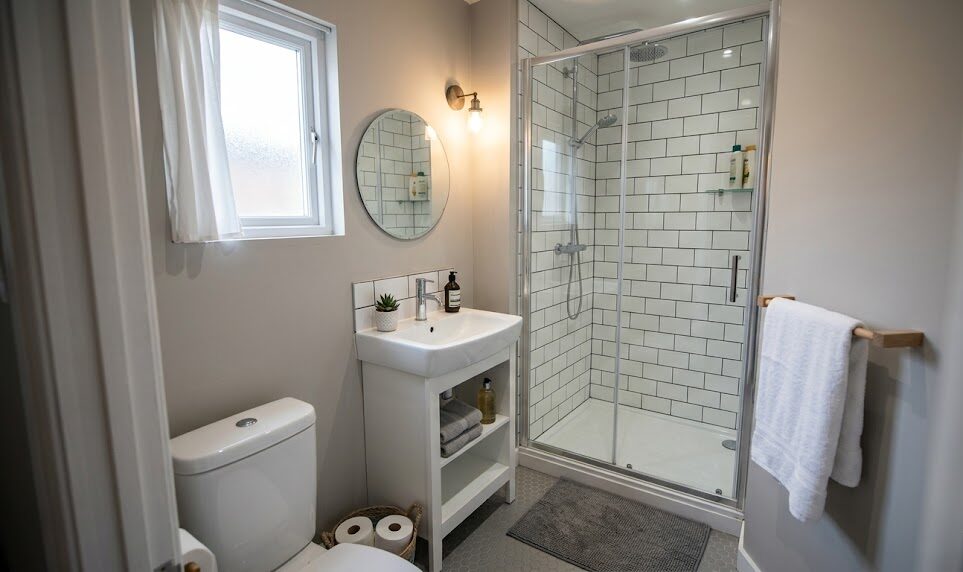
Bathroom Fixtures and Lighting That Make Small Routines Feel Better Every Day
A practical guide to choosing bathroom faucets, mirrors, sconces, valves, dimmers, and lighting before rough-ins and tile lock the room in place.
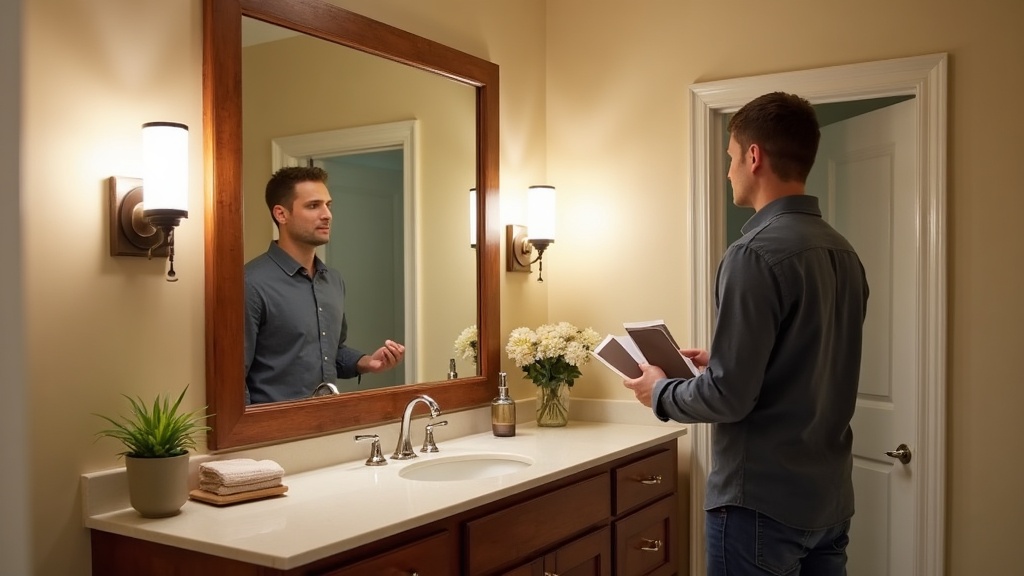
Wondering why some remodeled bathrooms look nice but still feel annoying every morning? The answer is usually fixtures and lighting. In a bathroom fixtures and lighting Utah project, the faucet, mirror, sconces, shower valve, fan, outlets, and switch locations all need to be planned together before rough-ins are finished.
I see this often in Davis and Weber County homes. A homeowner chooses a vanity, then a mirror, then lights, then a faucet — but the wall framing, electrical boxes, plumbing, and tile layout were already decided. That is how you end up with shadows on your face, a mirror that does not center, a faucet that splashes, or a shower control that sits in the wrong place.
Here’s what I’d recommend: treat fixtures and lighting as working parts of the bathroom, not accessories. The right selections make shaving, makeup, nighttime use, cleaning, and showering feel easier every day.
Why fixtures and lighting should be selected together
A bathroom is a small room with a lot of fixed decisions. Plumbing lines, valves, electrical boxes, mirrors, tile edges, cabinet sizes, and ventilation all compete for the same wall space. That is why fixtures and lighting should be part of the early scope.
If you wait too long, you may still be able to choose a pretty faucet or light fixture, but the best placement may already be gone. A wall sconce needs blocking and box placement. A shower valve needs depth, access, and a comfortable reach. A mirror needs the vanity, faucet, backsplash, and lighting to work together.
What this means for you: before drywall and tile close, we should know the vanity size, mirror size, faucet style, shower fixture rough-ins, lighting zones, fan location, and switch plan.
The little things are only little until you use the bathroom every day. I’d rather place the light and valve right the first time than patch a finished wall later.
Vanity lighting mistakes that show up every morning
Vanity lighting is where homeowners notice mistakes first. A single overhead light can cast shadows under your eyes. Sconces mounted too high or too low can glare. A mirror that is too wide can crowd the lights, and a mirror that is too small can make the room feel unfinished.
Plan light at face level
Side lighting helps reduce shadows better than relying only on recessed lights above the sink.
Center the mirror with the actual vanity
Do not assume the plumbing center, cabinet center, and wall center are the same. They often are not.
Think about task and mood
A bathroom needs bright enough light for grooming and softer light for early mornings or late nights.
Do not forget outlet placement
Electric toothbrushes, hair tools, razors, and lighted mirrors all need practical outlet planning.
This is why fixtures and lighting should be selected before final electrical rough-in. Once the box locations are set, your fixture choices narrow quickly.
Faucets, valves, and finish consistency
Bathroom faucets, shower valves, towel bars, robe hooks, cabinet pulls, and drains do not have to match perfectly. But they do need to feel intentional and work with the room.
The more important question is what sits behind the finish. Shower valves, diverters, tub fillers, and handheld systems need to be planned before tile. A pretty trim kit cannot fix a poorly placed valve or a rough-in that does not match the system.
Faucet reach
The faucet should land water where the sink can handle it, not splash at the back or front edge.
Valve quality
A shower system is not just trim. The rough-in valve behind the wall matters for long-term use and service.
Finish durability
Warm metals, matte black, brushed nickel, and chrome all behave differently with water spots and cleaning.
Hardware coordination
Cabinet pulls, towel hooks, and shower trim should support the design without forcing every piece to be identical.
Night lighting, dimmers, and mirror planning
A bathroom used at 6 a.m. and 11 p.m. should not have one lighting setting. Dimmers, warm light temperature, toe-kick lighting, or a low-level night path can make the room safer and calmer.
For primary bathrooms, I like to talk through how the room is used when one person is awake and another is sleeping. Can you use the bathroom without blasting the bedroom with light? Can you shower early without guessing where things are? Does the fan turn on with the right switch, or is it tied to a light in a way that annoys everyone?
Ventilation matters here too. Fan-light combos, humidity controls, and switch placement should be coordinated with ventilation and moisture control, not treated as a last-minute fixture decision.
Final selection checklist before installation
Before installation, I’d want these decisions confirmed. This is the part that prevents rework.
- Vanity width, sink location, faucet type, and backsplash height
- Mirror size, mirror height, and sconce or overhead fixture placement
- Shower valve type, trim finish, handheld location, and niche location
- Fan location, duct path, switch controls, and light integration
- Outlet locations for daily tools and any lighted mirror or built-in feature
- Cabinet hardware, towel hooks, robe hooks, and toilet paper holder locations
A clear scope gives the crew a better plan and gives you fewer surprises. That is how a small bathroom detail becomes a better daily routine instead of a daily frustration.
Questions homeowners ask before they decide
Should bathroom lighting be chosen before electrical rough-in?
Yes. Fixture type, mirror size, sconce placement, recessed lights, outlets, switches, and fan controls should be planned before the wall is closed.
Do bathroom fixtures all need to match?
Not exactly. They should coordinate, but durability, placement, and serviceability matter more than forcing every finish to be identical.
What is the biggest vanity lighting mistake?
Relying only on overhead light. Side lighting or well-planned mirror lighting usually makes daily grooming easier and reduces harsh shadows.
When should shower valves be selected?
Before tile and wall close-in. The valve, trim, diverter, and handheld locations affect plumbing rough-ins and finished use.
Not sure which fixtures and lights belong in your bathroom?
Ready to talk through scope and timeline? A design consult is the right first step. We’ll map the vanity, lighting, ventilation, and plumbing details before anyone starts guessing.
Planning note: Remodel scope, permits, inspection requirements, and existing conditions vary by city and home. Use this article as a practical starting point, then verify project details through your local jurisdiction and a qualified contractor before construction begins.