

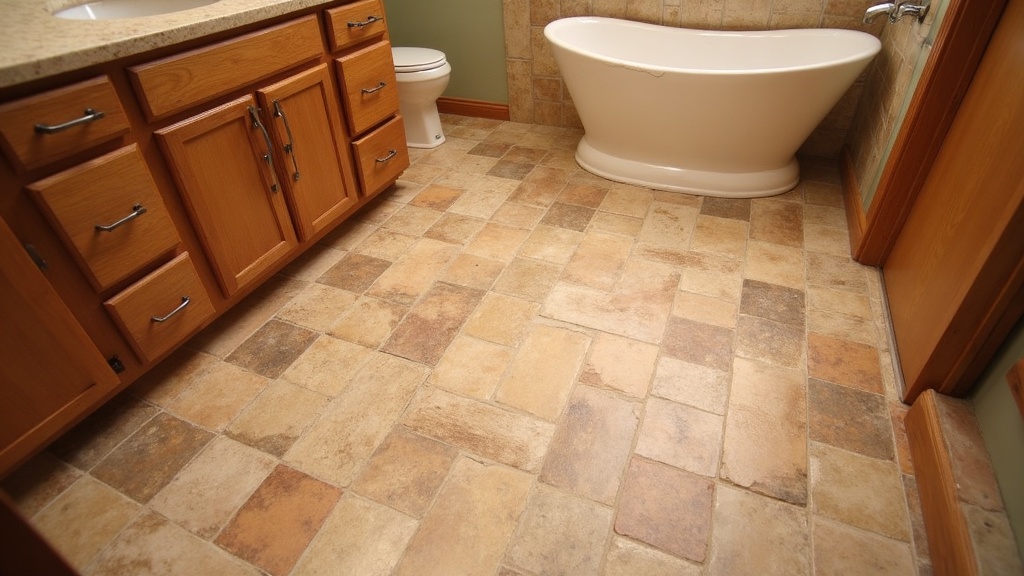
Are Heated Bathroom Floors Worth It in Utah? Comfort, Controls, and Planning Notes
A practical look at where radiant bathroom floors make sense in Utah homes, when they are worth the scope, and what must be planned before tile installation.
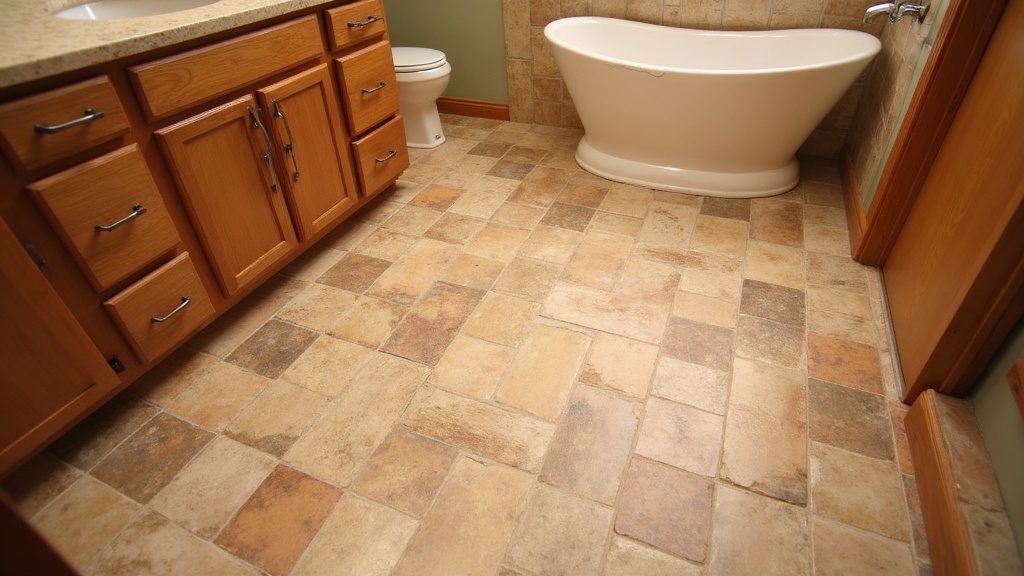
Are heated bathroom floors worth it in Utah? The honest answer is yes for the right bathroom, but not automatically for every bathroom. Radiant bathroom flooring feels different on a cold Davis County morning, but it only works well when it is planned with the tile, electrical, thermostat, floor height, and waterproofing from the start.
I would not treat heated floors as a last-minute comfort add-on. Once tile layout, subfloor prep, and electrical rough-in are set, the options narrow quickly. If you want warm tile underfoot, we need to make room for that system before the floor is built.
What this means for you: heated bathroom floors Utah planning is less about chasing a feature and more about deciding whether comfort is worth the scope in your specific room.
Why heated floors feel different in Utah winters
In Northern Utah, bathroom floors can feel cold for a long part of the year. Tile is durable and clean, but it does not feel forgiving on bare feet first thing in the morning.
Radiant heat changes that daily experience. It warms the floor surface, not the whole house. That means it can make a primary bathroom feel more comfortable without asking the main HVAC system to solve a room-specific problem.
Heated floors are not just about comfort. They are about whether that comfort is worth adding electrical planning, controls, and floor assembly details to the scope.
Where radiant heat makes the most sense
Radiant heat usually makes the most sense in rooms where you stand barefoot, use the space every day, and already plan to rebuild the floor.
Primary bathrooms
If you use the room every morning, the comfort value is easier to justify.
Tile-heavy bathrooms
Large tile floors can feel cold; floor heat helps the surface feel more comfortable.
Basement bathrooms
A below-grade bathroom may benefit from warmth if the assembly is planned correctly.
Spa-style bathrooms
If you are investing in a calmer bath suite, heated floors can support the daily experience without adding visual clutter.
The upgrade is less compelling in a rarely used powder room, a small guest bath, or a project where the floor is staying in place.
Electrical, thermostat, and floor-height planning
Heated floors require electrical planning. The thermostat needs a practical location, the circuit needs to be considered, and the heating mat or cable has to work with the floor area. You also need to plan where heat should not go, such as under certain fixed cabinets or fixtures depending on the system.
Floor height matters too. Radiant systems, underlayment, mortar, tile, and transitions can change how the bathroom floor meets the hallway, shower threshold, or adjacent room. That needs to be thought through before tile day.
This is where fixtures and lighting planning overlaps with floor heat controls. Switches, thermostats, outlets, and mirror features all compete for logical wall space.
Tile and waterproofing coordination
Floor heat has to work with the tile assembly. The installer needs to know how the heating system affects prep, waterproofing, crack isolation, transitions, and layout.
If the bathroom includes a walk-in shower, the floor heat plan should stay coordinated with tile and waterproofing. The goal is not just warm tile. The goal is a bathroom floor system that is comfortable, safe, and built to last.
Tile layout
Heating zones should support the layout, not fight it.
Thermostat sensor
Sensor placement affects performance and should be installed correctly.
Transitions
Floor height changes should be planned at doors and shower entries.
Waterproofing
Wet areas need the right system, not assumptions.
When to skip the upgrade
I would skip heated floors when the budget is better spent solving layout, waterproofing, ventilation, or storage first. Comfort upgrades should not distract from basic build quality.
Skip or postpone it if the room is rarely used, the floor is not being replaced, the electrical scope is too constrained, or the upgrade creates floor-height problems that are not worth solving.
The best remodel decisions are honest. If heated floors support the way you use the room every day, plan them early. If they are only there because they sound nice, put the money into the parts of the room you will notice more often.
Questions homeowners ask before they decide
Do heated bathroom floors heat the whole bathroom?
No. They are mainly for floor comfort. They can make the room feel better, but they should not be treated as the only room heat source unless designed that way.
Can heated floors go under any tile?
The system has to be compatible with the tile assembly, underlayment, waterproofing, and manufacturer requirements. Plan it before tile is ordered.
Where should the thermostat go?
Somewhere easy to reach, logical to use, and coordinated with switches, outlets, mirrors, and door swings.
Are heated floors worth it in a guest bath?
Sometimes, but they usually make more sense in a primary bathroom or a room used every day.
Thinking about heated floors in a Utah bathroom?
Ready to talk through scope and timeline? A design consult is the right first step. We’ll look at the room, the tile assembly, electrical planning, and whether the comfort upgrade makes sense before you commit.
Planning note: Remodel scope, permits, inspection requirements, and existing conditions vary by city and home. Use this article as a practical starting point, then verify project details through your local jurisdiction and a qualified contractor before construction begins.