

What to Look for in Kitchen Portfolio Photos Before You Choose a Remodeler
Learn how to read a kitchen remodel portfolio Utah homeowners can use to evaluate layout, cabinet quality, lighting, storage, and finish coordination.
Looking at kitchen remodel portfolio Utah examples before choosing a remodeler? The honest answer is that you should study the photo for workflow, not just style.
A kitchen can photograph well and still be awkward to use if the island is too tight, the refrigerator path is blocked, storage is shallow, or lighting is only decorative. That is why I look for the practical clues first.
Here’s why this matters in Davis County homes. Kitchens are usually the busiest room in the house. If the layout misses daily routines, no cabinet color can fix it.
Why kitchen photos hide as much as they show
A kitchen photo shows the finished surface, but it rarely shows the decisions that made the room work. You cannot always see what walls moved, where electrical changed, or how storage was planned.
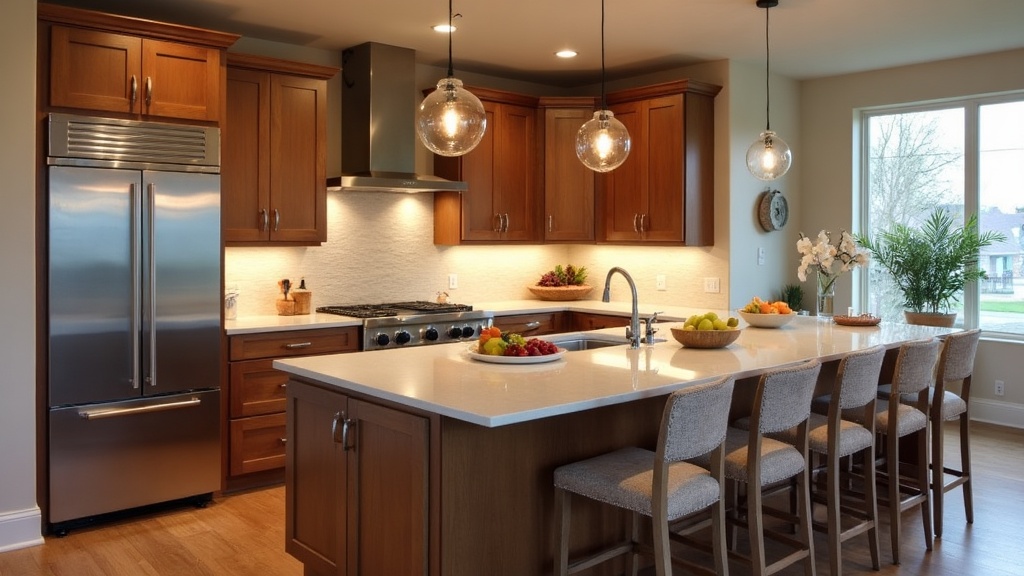
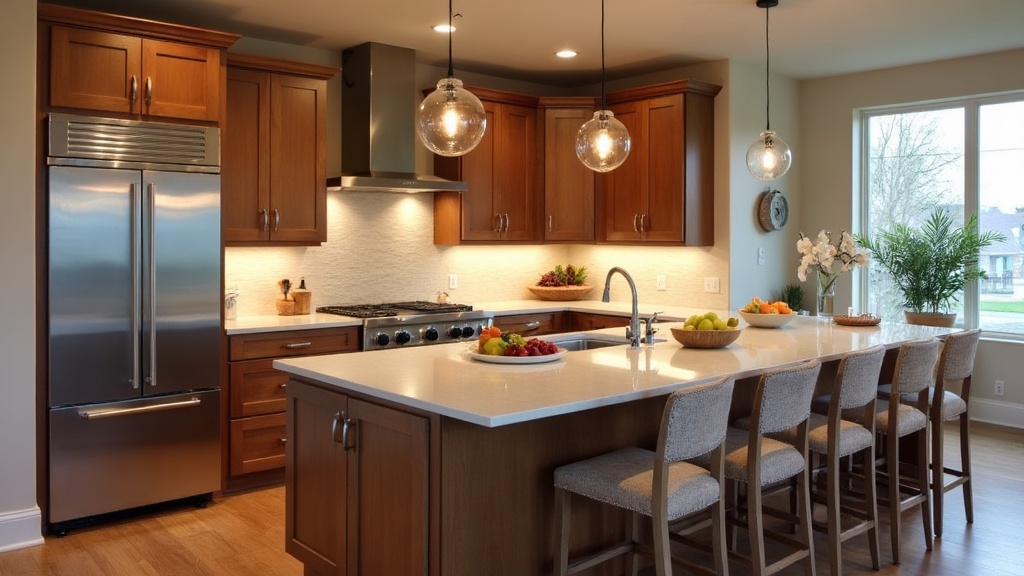
That is why I do not stop at “this looks good.” I look at the work triangle, island clearance, prep zones, trash location, pantry access, and how people would move when the kitchen is actually busy.
What this means for you: save kitchen photos for specific reasons. Do you like the lighting, the cabinet proportions, the seating, the warm wood, the range wall, or the storage? Name the reason.
If a decision affects layout, storage, lighting, waterproofing, comfort, trim, or daily use, I want it in the scope before construction starts. That is how you keep the project clear and avoid surprises.
Layout flow and island clearance clues
Island clearance is one of the first clues. If seating crowds the work aisle or the dishwasher opens into the prep path, the photo may look better than the kitchen functions.
Look at the distance between sink, range, refrigerator, pantry, and trash. A kitchen that works well usually has logical zones: cooking, cleanup, prep, storage, coffee, and family traffic.
In Kaysville, Layton, Farmington, and Bountiful homes, I also think about garage entries, mudroom traffic, and whether kids or guests cross the cooking zone to reach snacks or seating.
Cabinet, countertop, and hardware consistency
Cabinet quality shows in alignment, reveal consistency, door proportions, end panels, filler strips, crown details, and how the cabinetry meets the ceiling, floor, and appliances.
Countertops should look intentional at overhangs, corners, seams, sink cutouts, and backsplash transitions. Hardware should line up cleanly and feel balanced across the room.
Warm design is popular because it feels livable, but warmth is not just a trend. It comes from material balance: wood, stone, painted finishes, lighting temperature, and restraint.
Lighting and appliance integration
Good lighting is layered. Look for recessed general light, task light over work surfaces, island lighting, under-cabinet light, and maybe accent lighting where it truly helps.
Appliance integration matters too. A range, hood, refrigerator, dishwasher, microwave drawer, or beverage fridge should not look like an afterthought. The cabinets, electrical, ventilation, and clearances should support the appliance plan.
I’d ask what lighting was planned before cabinet installation and what appliance specs drove the layout. Those questions tell you a lot about process.
Questions to ask about the project behind the photo
Ask what the original kitchen problem was. Was the remodel about storage, traffic, outdated finishes, poor lighting, appliance upgrades, or opening the room?
Ask what stayed in place and what moved. Ask how the remodeler handled flooring transitions, electrical updates, ventilation, cabinet lead times, and final walkthrough items.
A portfolio should give you confidence, but the process behind the photo is what protects your home from surprises.
Questions homeowners ask before they decide
How should I use kitchen remodel portfolio Utah examples before calling?
Save the photos that match a real problem in your home, then write down what you like about layout, storage, lighting, materials, or transitions. That makes the design consult more useful.
What can portfolio photos not show?
Photos usually cannot show waterproofing, HVAC balance, wiring, framing corrections, moisture checks, or the full sequence that happened before finish work.
Should I choose style or scope first?
Start with scope. Style matters, but the room has to work for your real daily routines before finish selections can do their job.
How many inspiration photos should I bring?
A small set of focused examples is better than a huge folder. Bring a few photos and notes about what you like, what you do not like, and what problem each example helps explain.
When should I request a design consult?
Request one when you are ready to connect inspiration to your actual home, existing conditions, budget expectations, and timeline questions.
Ready to talk through scope and timeline?
Ready to talk through scope and timeline? A design consult is the right first step. We’ll walk through how your home is used, what the layout can support, which details need verification, and how to protect the project from surprise changes.
Planning note: Remodel scope, permits, inspection requirements, and existing conditions vary by city and home. Use this article as a practical starting point, then verify project details through your local jurisdiction and a qualified contractor before construction begins.