

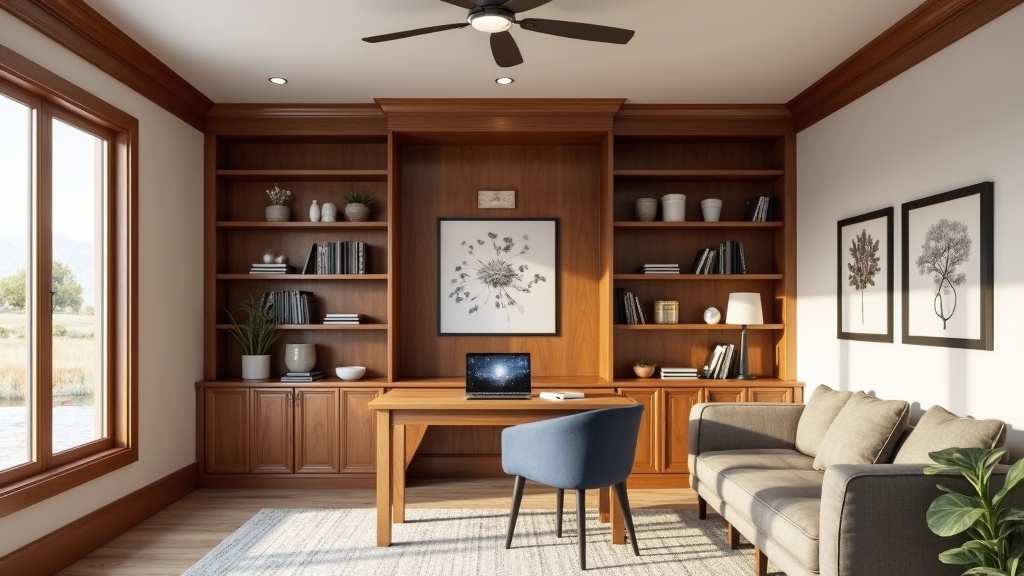
Built-Ins That Look Original to the Home: Storage, Trim, and Finish Planning
A practical guide to custom built-ins Utah homeowners can use to plan storage, trim, finish details, and electrical needs before cabinetry is built into the room.
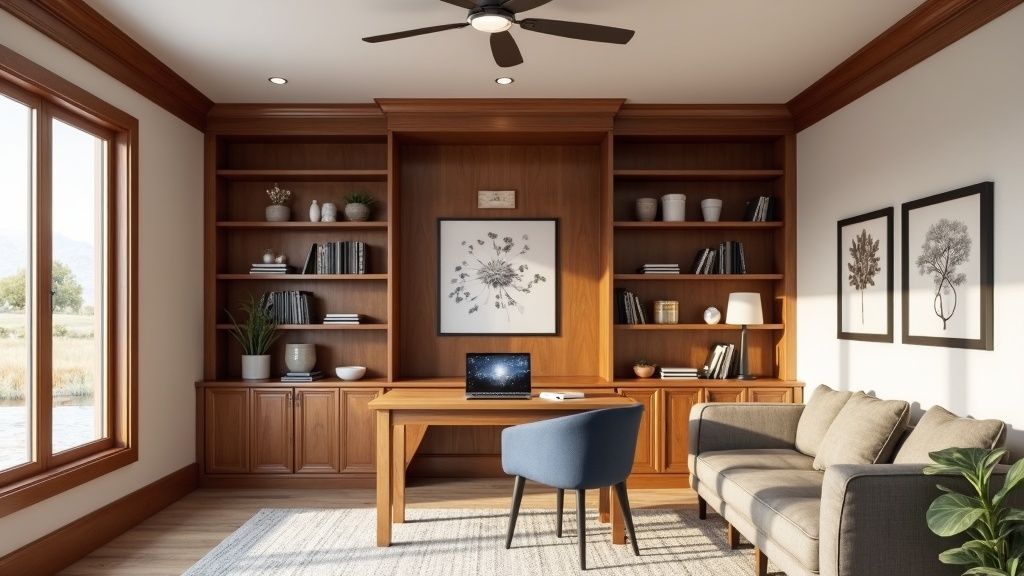
Wondering how built-ins can look original to your home instead of added on later? The honest answer is that the best built-in storage starts with function, then uses trim, proportion, finish carpentry, and hardware to make the work feel like it belongs there.
In Davis County homes, I see built-ins work best when they solve a real-life layout problem: the mudroom drop zone that always piles up, the family room wall that needs storage, the home office that needs files and printer space, or the fireplace wall that needs balance. When that purpose is clear, the design has something solid to follow.
Here’s why I slow this down before anyone orders material. Built-ins touch walls, floors, outlets, lighting, returns, trim, paint, and sometimes adjacent rooms. If we plan those details step by step, your home gets storage that feels built to last instead of cabinetry that fights the room.
Why built-ins should solve a real storage problem
A built-in should not begin with “where can we put cabinets?” It should begin with “what keeps getting in your way?” Shoes at the garage entry, backpacks in the kitchen, toys in the basement, chargers on the counter, office supplies stacked in a closet — those are the clues that matter.
Once the problem is clear, the shape of the built-in becomes more obvious. A mudroom needs durable cubbies and hooks. A fireplace wall needs proportion and symmetry. A home office needs file space, closed storage, outlets, and maybe a printer zone. A pantry wall needs depth that supports real groceries, not just pretty shelves.
What this means for you: do not let the finish drive the design too early. Painted cabinets, white oak, bronze hardware, and paneled doors are all good options when they serve the function-first plan.
If a decision affects layout, storage, lighting, waterproofing, comfort, trim, or daily use, I want it in the scope before construction starts. That is how you keep the project clear and avoid surprises.
Where custom carpentry adds the most value to daily life
Custom carpentry adds the most value where daily life repeats. Mudrooms, offices, family rooms, pantries, laundry rooms, fireplace walls, basement storage zones, and awkward hallways are usually the first places I look.
In Kaysville, Layton, Farmington, and Bountiful homes, I often see builder-grade niches or open walls that could work much harder. A shallow wall can become a command center. A long family room wall can handle media storage. An unused landing can become linen storage or a homework station.
The honest answer is that every built-in should earn the square footage it takes. If it narrows a walkway, blocks a vent, crowds a door swing, or makes a room feel heavy, I’d recommend adjusting the design before construction starts.
Proportions, trim, finish, and hardware decisions
This is where finish carpentry matters. The built-in needs the right vertical lines, toe kick, face frame, crown or cap detail, side panels, shelves, reveals, and trim returns. If those pieces are off, the finished wall can look like boxes pushed against drywall.
Trim matching is not always simple. Older homes may have profiles that are hard to duplicate. Newer homes may have simple casing that needs to be carried through cleanly. Paint-grade and stain-grade materials also behave differently, especially where wood grain, sheen, and lighting reveal small inconsistencies.
Hardware is part of the design too. Oversized pulls, tiny knobs, soft-close hinges, touch latches, and exposed shelving all change the look and daily function. I’d recommend choosing hardware after the storage plan is settled, not before.
Electrical, lighting, and ventilation details
Built-ins are usually where homeowners forget electrical. A desk wall may need outlets above and below the work surface. A fireplace built-in may need media wiring, speaker planning, and access panels. A mudroom may need charging drawers. A pantry wall may need appliance outlets or lighting.
Lighting should be planned early if you want it integrated. Shelf lighting, sconces, under-cabinet lighting, or task lighting all need wiring paths, switches, and sometimes dimmers. It is much easier to build that into the scope than to add it after finish work is complete.
Ventilation and mechanical details matter too. Do not cover returns, restrict air flow, block access panels, or trap heat from electronics. Respectful crews keep the job site organized, but good planning keeps the finished built-in from creating a new problem.
How to coordinate built-ins with larger remodels
Built-ins often happen during a larger kitchen, basement, office, or whole-home remodel. That is the best time to coordinate flooring transitions, wall repair, painting, trim profiles, and adjacent cabinetry.
If a built-in is added later, it can still work well, but the scope needs to be honest. You may need drywall repair, trim removal, paint matching, flooring touch-ups, or electrical work. Those are not failures; they are part of doing the work right.
Before the final walkthrough, I want the built-in to feel intentional from across the room and useful up close. Doors should align. Shelves should support real items. Hardware should feel right in your hand. The storage should match the way you actually live.
Questions homeowners ask before they decide
What should I decide before I schedule a design consult?
Start with what is not working in your home, what you want the space to do, and which examples or details caught your eye. You do not need every finish selected before the first conversation.
Why does clear scope matter so much?
Clear scope protects the budget, timeline, and final walkthrough. It also keeps design decisions from becoming surprise construction changes later.
Should I verify local requirements before construction starts?
Yes. Permits, inspections, use classifications, and existing conditions vary by city and home, so the project should be verified before work begins.
Can photos tell me everything I need to know?
No. Photos help you see style, proportion, storage, lighting, and craftsmanship, but they cannot show every hidden system behind the finished walls.
When is the right time to call Fortress Builders?
Call when you need help turning ideas into a clear scope, realistic sequence, and buildable plan for your home in Davis or Weber County.
Ready to talk through scope and timeline?
Ready to talk through scope and timeline? A design consult is the right first step. We’ll walk through how your home is used, what the layout can support, which details need verification, and how to protect the project from surprise changes.
Planning note: Remodel scope, permits, inspection requirements, and existing conditions vary by city and home. Use this article as a practical starting point, then verify project details through your local jurisdiction and a qualified contractor before construction begins.