

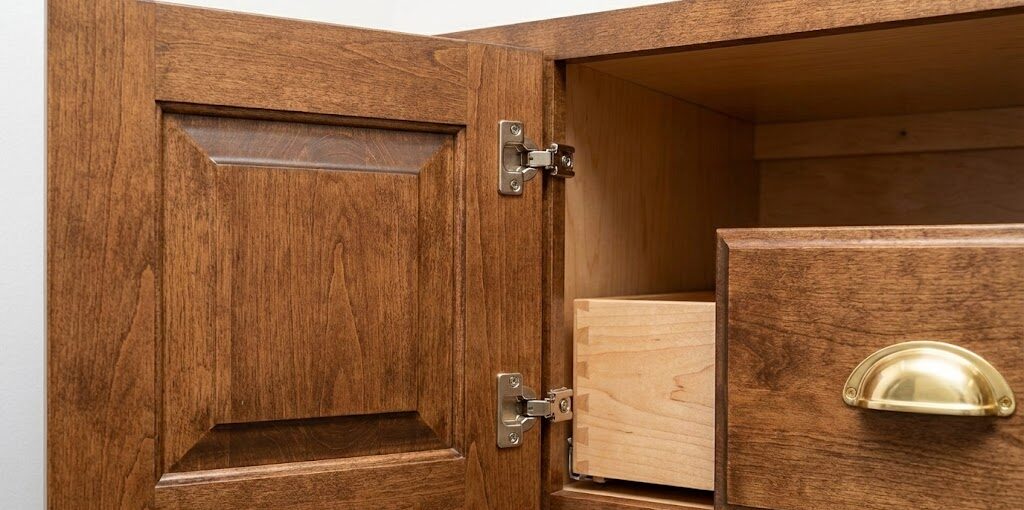
Semi-Custom vs. Custom Cabinets: What You’re Really Paying For
Cabinets do more than store dishes—they define how your kitchen looks, how it functions, and how much of your remodel budget goes toward long-term value versus short-term savings.
Homeowners are often told that custom cabinets are “better” and semi-custom cabinets are “almost the same”. The truth is more nuanced. The right choice depends on how your kitchen is laid out, how you cook, how much flexibility you need, and where precision actually matters.
This guide explains what you’re really paying for when you choose semi-custom or custom cabinets—so you can invest where it counts and avoid spending money where it doesn’t.
Why Cabinet Choice Sets the Tone (and the Budget)
In most kitchen remodels, cabinets represent one of the largest single line items. But cabinet cost isn’t just about materials—it reflects:
- How precisely the cabinets fit your space
- How much storage is usable vs wasted
- How durable the finish and hardware are over time
- How clean and intentional the kitchen looks when finished
Understanding the differences early helps you avoid costly compromises later—like fillers you didn’t expect or storage that doesn’t work the way you imagined.
The Three Cabinet Categories (Quick Context)
Before comparing semi-custom and custom, it helps to understand where they sit overall.
|
Stock Cabinets
Pre-sized, limited finishes, fastest delivery, least flexibility. |
|
Semi-Custom Cabinets
Standard cabinet boxes with a wide range of modifications, finishes, and storage upgrades. |
|
Custom Cabinets
Built from scratch to your exact dimensions, layout, and storage needs. |
This article focuses on the middle and top tiers—where most design–build homeowners decide.
Semi-Custom Cabinets Explained (What You Actually Get)
Semi-custom cabinets start with standardized cabinet boxes, but allow adjustments in width, depth, height, finishes, door styles, and interior features.
Where semi-custom cabinets shine
- Kitchens with relatively standard wall lengths
- Layouts without unusual angles or structural constraints
- Homeowners who want upgraded finishes and storage without full custom pricing
- Projects where budget discipline matters
Common semi-custom options include:
- Multiple cabinet widths and depths
- Modified drawer heights
- Deeper upper cabinets for large plates
- Roll-out trays, spice pull-outs, trash systems
- Wide finish and door-style selections
Custom Cabinets Explained (Where the Premium Goes)
Custom cabinets are built specifically for your kitchen—one cabinet at a time. There are no preset sizes, no filler requirements, and virtually no design constraints.
Where custom cabinets truly matter
- Older homes with uneven walls or odd dimensions
- Kitchens with unique windows, beams, or ceiling heights
- Layouts where every inch of storage matters
- Homeowners who want specific wood species or specialty joinery
Custom cabinets allow:
- Exact-fit cabinets with no fillers
- Full-height cabinetry aligned to ceilings
- Built-ins that wrap windows or architectural features
- Highly customized interior organization
Construction Quality: Boxes, Joinery, and Durability
One of the biggest misconceptions is that semi-custom cabinets are “flimsy.” Quality depends on the manufacturer, not just the category.
|
What to Look For (Both Types)
|
Many high-end semi-custom lines meet or exceed construction quality expectations for long-term use.
Finish Durability and Longevity
Cabinet finish quality affects how cabinets look after years of use—especially in busy kitchens.
- Semi-custom: factory-applied finishes with consistent curing
- Custom: hand-sprayed finishes that can be tailored and repaired
Custom finishes can be easier to touch up later, while factory finishes often provide very consistent results upfront.
Storage and Organization: Where Custom Often Wins
If your goal is maximum efficiency and tailored storage, this is where custom cabinets often justify their cost.
Custom-only advantages often include:
- Drawer stacks sized exactly to cookware
- Hidden appliance garages
- Integrated spice, tray, and recycling systems
- Seamless pantry integrations
That said, many semi-custom lines now offer impressive organizational upgrades—making the decision more about fit than features.
Design Flexibility: Fillers vs. Precision
One of the clearest differences homeowners notice is how the finished kitchen looks.
- Semi-custom kitchens: may require fillers to bridge size gaps
- Custom kitchens: cabinets fill the space exactly
Fillers aren’t inherently bad—but in high-visibility areas, custom cabinetry often creates a cleaner, more intentional result.
Timeline and Lead Times
|
Typical Lead Times
Semi-custom: often 4–8 weeks |
If your project has tight scheduling constraints, lead time may influence the decision.
Cost Reality: Where the Money Goes
While pricing varies widely, cost differences usually reflect:
- Labor and craftsmanship time
- Degree of customization
- Installation precision
- Design complexity
Custom cabinets aren’t automatically “worth it” everywhere—but they are invaluable in the right places.
Where Custom Cabinets Pay Off Most
- Irregular room dimensions
- Ceiling-height designs
- Integrated appliances
- High-visibility kitchens in open floor plans
Decision Checklist: Semi-Custom or Custom?
- Choose semi-custom if: your layout is standard and you want strong value
- Choose custom if: fit, precision, and tailored storage are priorities
- Mix both if: some zones need precision while others don’t
See Real Cabinetry in Utah Kitchens
Related Planning Resources
Not Sure Which Cabinet Level Fits Your Priorities?
The right cabinet choice balances layout, storage, budget, and long-term value. The Fortress Builders helps homeowners make those decisions with clarity—before anything is ordered.