

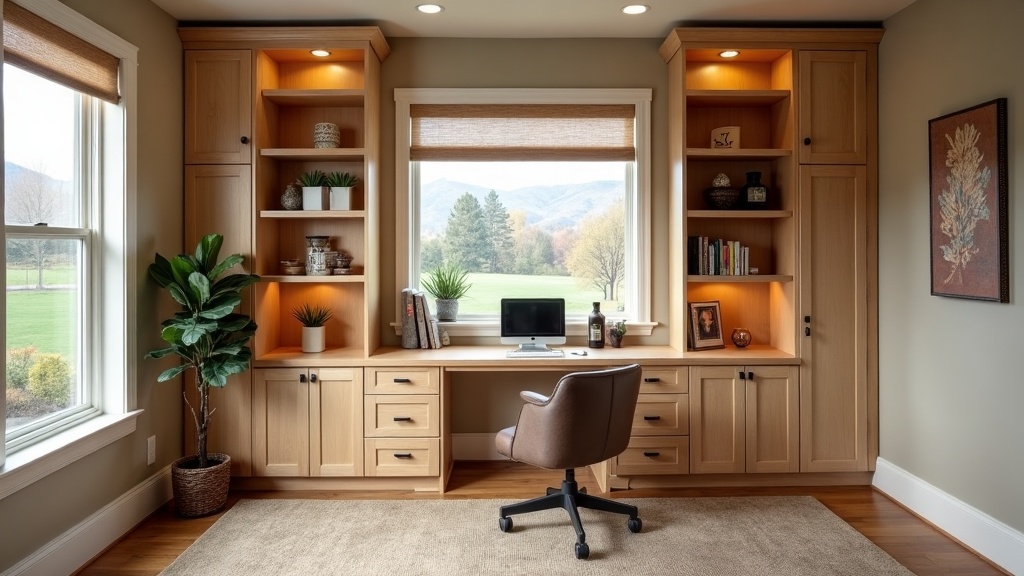
Home Offices and Flex Rooms That Still Work When Life Changes
A practical guide to designing a home office or flex room that works for remote work, homework, guests, hobbies, storage, and future changes.
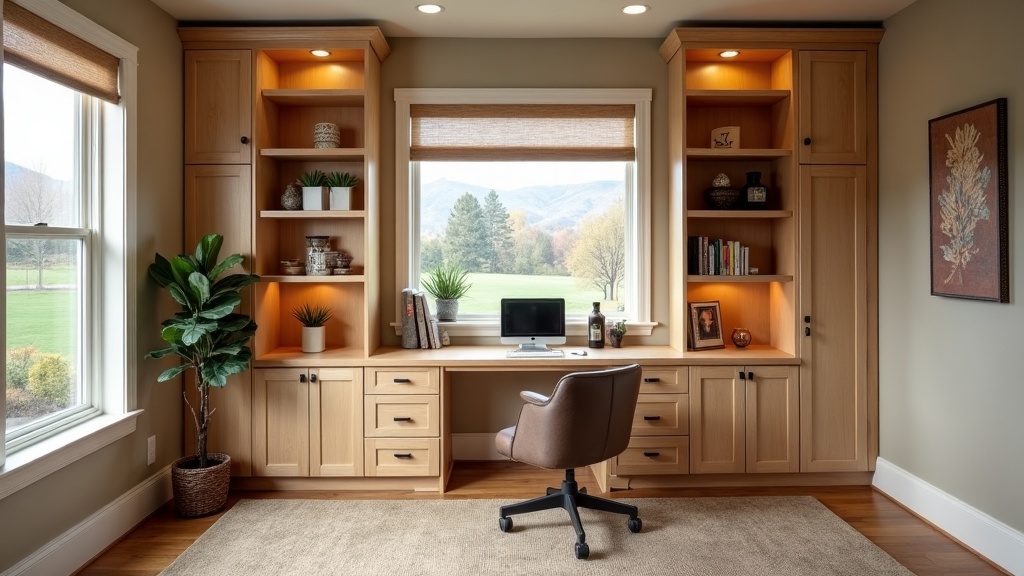
Trying to build a home office that will not feel useless when life changes? The honest answer is to design it as a flex room first. Work habits, kids, guests, hobbies, and resale needs can all change faster than the walls do.
In Davis County homes, I often see spare bedrooms, basement rooms, lofts, and front rooms trying to serve too many jobs with no plan. The result is cords everywhere, bad lighting, no storage, and a room nobody wants to use.
Here’s what I’d recommend: decide the main job of the room, then build in enough flexibility that it still works when your home needs something different.
Why flex beats single-purpose design
A single-purpose office can be great if you work from home every day and need privacy. But many homes need the room to flex: office during the week, guest room on weekends, homework zone after school, or hobby space at night.
Flex design protects your investment because it avoids locking the room into one narrow use.
What this means for you is that a home office remodel Utah families can rely on should plan work, storage, sound, lighting, and future overlap together.
If a decision affects plumbing, framing, electrical, comfort, or daily use, I want it in the scope before construction starts. That is how you protect your home and avoid surprises.
Desk placement, lighting, and sound control
Desk placement affects glare, camera background, outlet access, and focus. A desk facing a window may feel nice but create screen glare. A desk facing the room may support video calls better.
Lighting should include general light and task light. Warm, balanced light helps the room feel comfortable without making it feel like a cubicle.
Sound matters if the room is near a kitchen, stairs, family room, or basement theater. Doors, wall assemblies, rugs, and built-ins can all help depending on the scope.
Built-ins, storage, and cable management
Built-ins can make a flex room work better, but only when they solve a real problem: files, printer, school supplies, hobby storage, books, equipment, or guest items.
Cable management should be planned before carpentry begins. Outlets, data, charging, desk grommets, and hidden pathways keep the room from becoming a tangle of cords.
I’d rather build fewer cabinets that work well than fill a wall with storage that does not match the way you use the room.
Guest-room and hobby-room overlap
If the office also needs to host guests, think about bed type, closet access, lighting controls, luggage space, privacy, and where work items go when someone stays over.
If the room doubles as a hobby space, plan durable surfaces, storage, ventilation if needed, and task lighting.
Flex does not mean vague. It means each use has a place, and none of them make the room feel chaotic.
What to decide before carpentry begins
Before carpentry, decide desk size, storage categories, outlet locations, lighting, door needs, camera background, guest function, and whether the room may change use later.
Also decide what should stay loose. Not every element needs to be built in. Sometimes flexible furniture plus one strong built-in wall is the better move.
A good flex room should support your home step by step, not lock you into one season of life.
A simple planning sequence I’d use
For home office remodel Utah, I would not start with the prettiest finish or the most expensive feature. I would start with the way your home needs to work when the project is done. That gives the design a job before the crew begins opening walls, setting rough-ins, or ordering materials.
In Davis and Weber County homes, the sequence matters because basements, additions, outdoor spaces, and flex rooms all have existing conditions that can shape the final scope. Ceiling height, window locations, drainage, mechanical access, electrical capacity, door swings, stair paths, and storage needs can all change what is realistic.
Define the daily use
Write down who will use the space, when they will use it, what frustrates them now, and what the room needs to handle five years from now. This keeps the plan tied to real life instead of a trend.
Check the existing conditions
Before design gets too far, look at structure, moisture, utilities, framing, access, ventilation, and local permit questions. Those details tell us what the room can support without surprise rework.
Set the scope before selections
Once the function and constraints are clear, then materials, fixtures, cabinetry, lighting, and finish details can be chosen with confidence. That is how you keep the remodel built to last.
That step-by-step order may feel slower at first, but it usually saves time later. A remodel gets stressful when decisions are made out of order. A clear scope gives you a calmer project, a more realistic timeline, and a final walkthrough that matches what you expected.
What I’d verify before the final scope
Before I called the scope final for Home Offices and Flex Rooms That Still Work When Life Changes, I would verify the practical details that can change the build. That may include permits, inspection path, egress, ventilation, drainage, electrical capacity, structural tie-ins, moisture history, material compatibility, or access to mechanical systems.
This is where no surprises really starts. The design can look clean, but the home still has to be buildable. I would rather pause for the right check than push forward and discover during construction that a wall, window, drain, vent, or electrical run needs to move.
If the project touches code-sensitive areas, rental-style use, sleeping space, plumbing, exterior work, or structural changes, verify those details with the right local building department or qualified specialist. That keeps the plan honest and protects your home before the crew is deep into the work.
Questions homeowners ask before they decide
What makes a home office flexible?
A flexible office has good lighting, storage, outlets, sound control, and space planning so it can also work for guests, homework, hobbies, or future resale.
Should I use built-ins in a home office?
Yes, if they solve a real storage or work problem. Built-ins should be planned around what you store and how you work.
Where should a desk go?
Place the desk based on glare, outlets, camera background, traffic, privacy, and how you focus.
Can a guest room also be a good office?
Yes, but you need storage, cable management, lighting, and furniture choices that allow both uses without constant rearranging.
Ready to plan a home office or flex room that can change with your life?
Ready to talk through scope and timeline? A design consult is the right first step. We’ll walk through how your home is used, what the layout can support, what needs to be verified, and how to protect the project from surprise changes.
Planning note: Remodel scope, permits, inspection requirements, and existing conditions vary by city and home. Use this article as a practical starting point, then verify project details through your local jurisdiction and a qualified contractor before construction begins.