

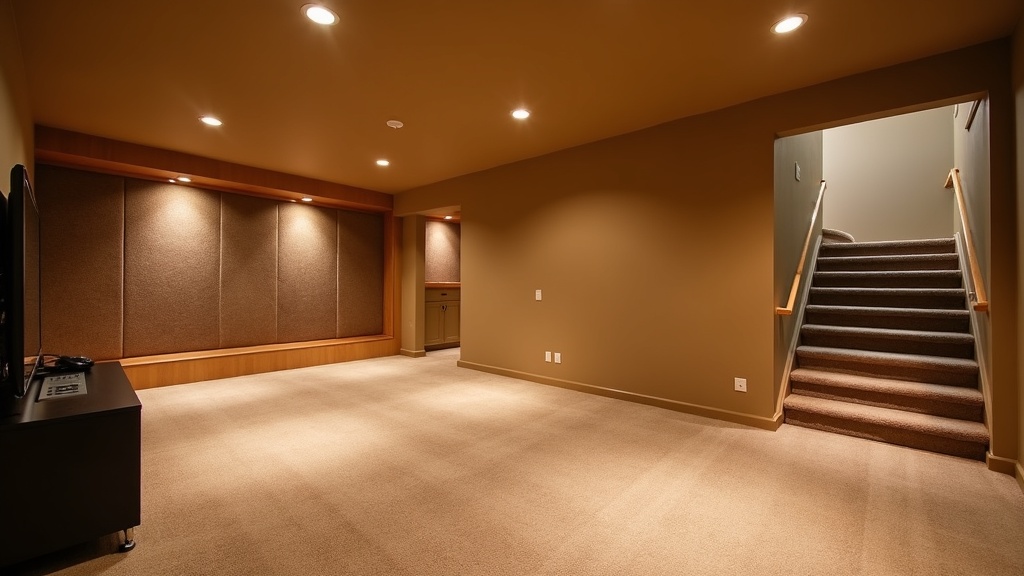
How to Make a Finished Basement Feel Warm, Quiet, and Connected
A practical guide to insulation, HVAC balance, sound paths, ceiling choices, lighting warmth, and connection to the rest of the home.
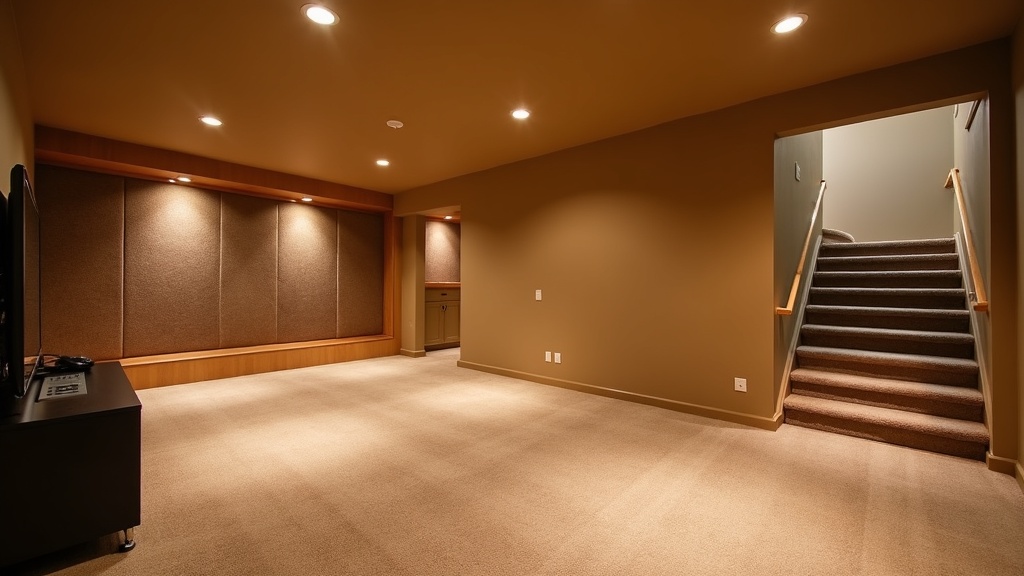
Want your finished basement to feel like real living space instead of a cold level under the house? The honest answer is that basement comfort and sound control need to be planned before drywall. Paint, flooring, and furniture cannot fully fix a basement that was not planned for warmth, quiet, and connection.
I have seen basements in Davis County that looked finished but felt separate from the home. The temperature was off, the ceiling carried noise from upstairs, the lighting felt flat, or the stairs made the basement feel like an afterthought. Those problems are easier to solve before the ceiling and walls close.
Here’s what I’d recommend: plan comfort as part of the build, not as a decorating step at the end.
Why basements feel different from upstairs rooms
Basements are below grade. They have different light, different air movement, different wall conditions, different ceiling obstructions, and different sound paths. That is why a basement cannot be planned exactly like an upstairs family room.
Concrete, foundation walls, ducts, beams, mechanical rooms, and limited windows all change the experience. A good plan respects those conditions and turns the basement into intentional living space.
A basement should not feel like you went downstairs to the leftover part of the house. It should feel planned, warm, and connected from the stairs to the final room.
Warmth: insulation, floors, and HVAC balance
Warmth is not one decision. It is insulation, floor assembly, HVAC supply and return, air movement, and moisture planning working together.
Insulation
Foundation walls and rim areas need the right approach for comfort and durability.
Floors
Carpet, LVP, tile, underlayment, and subfloor choices all feel different underfoot.
HVAC balance
Supply runs, return air, and room layout affect whether the basement feels comfortable year-round.
Moisture
Comfort planning should not ignore humidity, drainage history, or wall conditions.
Basement warmth also overlaps with moisture management. Covering a problem does not make it go away.
Quiet: sound paths and ceiling planning
Sound travels through floors, ducts, ceilings, doors, framing, plumbing, and open stairways. If you want a bedroom, theater, office, or teen hangout downstairs, sound planning belongs early.
Ceiling choices matter. Open access, drywall, resilient channels, insulation, soffits, mechanical runs, and lighting all affect both serviceability and sound. A theater area needs different planning than a guest bedroom or home office.
If you are considering a media room, home theater planning should happen before drywall so wiring, sound, and lighting are not improvised later.
Bedrooms
Plan separation from mechanical rooms, stairs, and loud living zones.
Offices
Think about ceiling noise, door placement, and light quality.
Theaters
Plan wiring, acoustics, lighting, and seating before finishes.
Laundry or mechanical
Separate noise where possible and preserve access for service.
Connection: stairs, lighting, and finishes
A basement feels connected when the transition from upstairs makes sense. Stairs should land into a planned space, not a tight hallway. Lighting should feel warm and layered, not like a grid of bright cans. Finishes should relate to the rest of the home without pretending the basement has the same natural light.
Good basement lighting and electrical planning includes general lighting, task lighting, accent lighting, switch locations, outlets, and future flexibility. The basement should be easy to enter, easy to use, and easy to navigate at night.
What to plan before drywall
Before drywall, review the comfort decisions that will be hard to change later.
- Insulation locations and wall assembly approach
- HVAC supply, return, and room-by-room comfort
- Sound separation between bedrooms, offices, theaters, and upstairs rooms
- Ceiling access, soffits, beams, lighting, and mechanical runs
- Flooring and underlayment choices
- Stair connection, hallway widths, and lighting controls
Once drywall is up, comfort changes become more expensive. A clear scope before that point protects the budget and the final feel of the basement.
Questions homeowners ask before they decide
Why does my finished basement still feel cold?
It may be insulation, HVAC balance, floor assembly, air movement, moisture, or a combination. Comfort has to be planned as a system.
Can you soundproof a basement completely?
Complete soundproofing is a high bar, but sound control can be improved with smart room placement, ceiling planning, insulation, doors, and mechanical coordination.
What flooring feels warmest in a basement?
It depends on the assembly and use. Carpet feels warm, LVP can be durable, and underlayment choices matter. Moisture conditions should guide the decision.
When should basement comfort be planned?
Before framing and drywall. That is when insulation, HVAC, sound, lighting, and ceiling decisions are easiest to coordinate.
Want your basement to feel warm, quiet, and connected?
Ready to talk through scope and timeline? A design consult is the right first step. We’ll map comfort, sound, HVAC, lighting, and layout before drywall locks the plan in place.
Planning note: Remodel scope, permits, inspection requirements, and existing conditions vary by city and home. Use this article as a practical starting point, then verify project details through your local jurisdiction and a qualified contractor before construction begins.