


Schluter vs. Liquid Membrane vs. Sheet Membranes: Waterproofing Options Explained
Thinking about a new tile shower and wondering which waterproofing system actually holds up?
The honest answer is that the best system is not the one with the slickest branding. It is the one that fits your shower layout, your tile plan, your budget, and your installer’s ability to execute it cleanly. I’ve been remodeling homes in Davis County and Weber County since 1998, and I can tell you this: bathrooms usually fail because somebody treated waterproofing like a product choice instead of a full system. What this means for you is simple. Tile is the finish. Waterproofing is what protects your home.
If you are comparing Schluter, liquid membrane, and other sheet-membrane approaches, you are already asking the right question early enough. That is good. In Kaysville, Layton, Farmington, and Bountiful, I’ve seen homeowners spend real money on beautiful tile work only to find out later the shower build behind it was too casual. That is the part I want to help you avoid here.
My goal in this walkthrough is not to tell you there is one magic winner. It is to show you how each waterproofing approach works, where each one makes sense, where the weak points usually show up, and what I’d recommend you lock down before anyone starts demo or orders tile. If you understand that part, you are in a much better position to protect your home, your budget, and your timeline.
- Schluter, liquid-applied systems, and other sheet membranes can all work when the full shower system is planned correctly.
- The drain, slope, curb or curbless entry, tile size, and shower details matter just as much as the membrane itself.
- Most shower failures I’ve seen come from weak transitions, rushed prep, poor slope, or inconsistent membrane application—not from homeowners choosing the “wrong” brand name.
- If you want a shower that’s built to last, decide the system before tile is ordered, not after.
Why shower waterproofing matters so much in real life
Bathrooms are one of the few places in your home where water is expected to hit surfaces constantly. That sounds obvious, but it is exactly why people get lulled into treating the visible finish as the main line of defense. It is not. The tile looks like the shower. The waterproofing is the shower.
I’ve walked into Northern Utah homes where the tile still looked decent, but the system behind it was failing. Sometimes it showed up as moisture damage outside the shower. Sometimes it showed up as soft corners, musty smells, loose tile, or repeated caulking “fixes” that never solved the actual problem. Here’s why that happens: water always looks for the weak point. The weak point is usually not the big pretty field tile. It is the drain tie-in, the niche corners, the bench transitions, the curb, or the wall-to-floor connection.
That is why I like homeowners to understand this part before they get attached to surface-level decisions. In a bathroom remodel, especially in older Davis County and Weber County homes where framing, plumbing, and previous repair work may already be part of the story, good waterproofing buys you confidence. It keeps the remodel from turning into a hidden problem later.
It Protects Your Home
A tile shower is sitting right next to framing, drywall, subfloor, insulation, and finished rooms. Good waterproofing keeps water where it belongs.
It Protects Your Budget
Redoing a failed shower costs far more than getting the waterproofing system right the first time.
It Protects Your Timeline
When the system is clear from the start, the crew can work step by step instead of improvising once tile is already in play.
It Supports the Whole Design
Drain type, tile size, niche placement, glass layout, and shower entry all work better when waterproofing is planned first.
Tile is the finish, not the waterproofing system
This is one of the most important things I can say clearly: tile and grout are not what make your shower waterproof. They are the wear surface. They are what you see, clean, and live with day to day. The waterproofing system sits behind that finish and handles the job that really matters.
Homeowners in Northern Utah often come into the conversation focused on tile style, grout color, and whether they want a spa look or a simpler modern layout. That all matters. But I’d recommend thinking of those choices as second-tier decisions. First-tier decisions are the waterproofing method, the drain plan, the slope, and the shower geometry. Once those are right, the finish work has a chance to last.
Here’s why this matters: if the system behind the tile is weak, the nicest tile in the room becomes expensive camouflage. I would much rather see a simpler tile assembly over a disciplined waterproofing build than a high-end finish over a rushed one.
If someone is selling you only on tile, fixture style, or how “luxury” the shower will feel, but they are vague about the waterproofing approach, that is not enough for me. A shower should be explained from the structure out, not from the surface back.
Schluter systems: where they shine and what homeowners should understand
When homeowners say “Schluter,” they are usually talking about a branded sheet-style waterproofing approach that works as a coordinated system. That matters. One of the strengths of a Schluter-style approach is that it is not just a random collection of parts. It is meant to be used together—membrane, corners, drain integration, and related accessories all speaking the same language.
Why people like it
The biggest advantage is consistency. When a system is designed to work together, it can make planning cleaner and reduce the number of “make it work in the field” moments. That can be especially helpful in walk-in showers, curbless setups, and showers with niches or benches where transitions matter.
Where it tends to make sense
I often think a sheet-based branded system makes sense when the shower layout is detail-heavy, when the project wants a very controlled installation sequence, or when the drain and slope plan benefit from staying inside one coordinated approach.
What homeowners should not assume
A branded system is not a free pass. It still depends on surface prep, seam treatment, drain tie-in quality, slope, and how carefully the crew handles every transition. Good products help. Good execution still decides the outcome.
| Schluter-Style System Strength | Why It Matters |
|---|---|
| Coordinated Components | The drain, membrane, corners, and accessories are designed to work as a system instead of being pieced together ad hoc. |
| Detail Control | Showers with curbless entries, benches, niches, or linear drains often benefit from a systemized approach. |
| Predictable Sequence | It can create a cleaner install flow when the crew is experienced with the system and follows it carefully. |
| Design Flexibility | It often works well with the kind of walk-in shower layouts homeowners in Kaysville and Layton are asking for now. |
- you are planning a walk-in or curbless shower
- the drain choice and slope strategy need to be tightly coordinated
- the shower includes niches, benches, or detailed transitions
- you want a clear scope and a system-first build approach
- the installer is actually experienced with the system, not just willing to “figure it out”
Liquid membranes: where they can work well and where they need more discipline
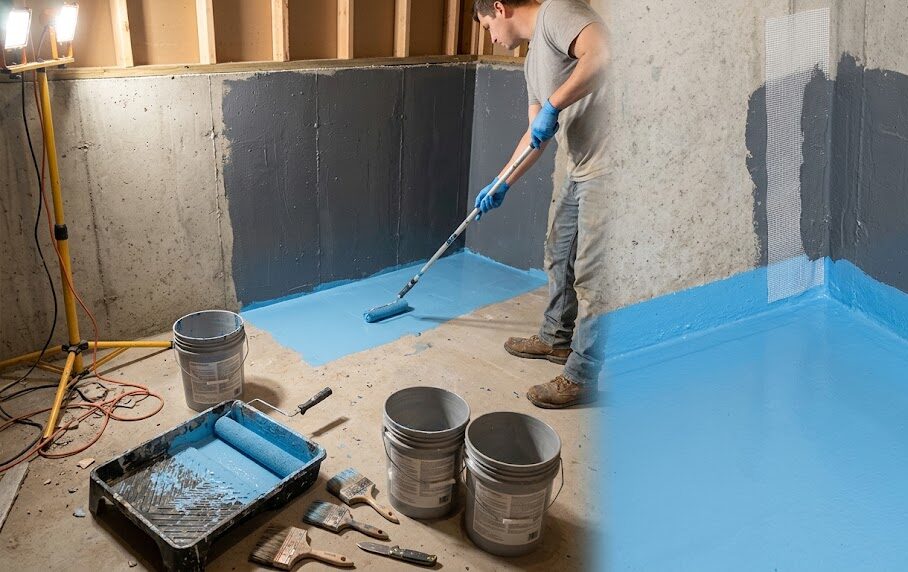
Liquid-applied membranes are popular because they can adapt well to complicated shapes and can be used in a range of waterproofing situations. That flexibility is real. In the right hands, they can be part of a durable shower build. But they also ask more from the installer because consistency matters a lot.
The practical upside
A liquid-applied system can be useful when the shower has unusual geometry, irregular transitions, or areas where rolling or brushing on the membrane makes sense as part of the build. They can be very workable in some custom conditions.
The practical risk
The biggest issue is usually consistency of application. Too thin in one spot, weak detailing at changes of plane, rushed cure times, or casual handling around penetrations can create weak points. That does not mean liquid systems are bad. It means they depend heavily on disciplined technique.
What this means for you
If a liquid membrane is part of the plan, I would want the installer to explain the prep, thickness control, transitions, and sequencing clearly. I would not be comfortable with vague answers here, especially if the shower is carrying a lot of design complexity.
Flexible Around Complex Areas
Liquid-applied products can be useful in areas where shapes and transitions are less straightforward.
Application Quality Is Everything
The difference between durable and risky often comes down to thickness control, cure time, and clean detailing.
Not Ideal for Guesswork
If the crew cannot explain the process clearly, that is a bigger concern with a liquid-applied system than with a more visibly controlled sheet approach.
Best When the Crew Is Deliberate
In the right hands, a liquid membrane can be part of a good system. In rushed hands, it can become the weak link.
Sheet membranes: what they do well beyond one specific brand
Beyond branded systems like Schluter, there are other sheet-membrane waterproofing approaches that follow the same big advantage: a visible, controlled membrane layer that can be laid out, tied together, and detailed with precision. That visibility matters. It allows the crew and the homeowner to think more clearly about where the waterproofing is going and how transitions are being handled.
Where sheet membranes feel strong
They are often a very solid choice when consistency matters, when the shower layout is straightforward enough to benefit from sheet layout, and when the installer is good at managing overlaps, seams, corners, and penetrations cleanly.
Why some pros prefer them over liquid systems
Because thickness is less of a guessing game. You are dealing with a defined membrane instead of relying on field-applied consistency alone. That does not remove the need for skill, but it does change where the risk tends to sit.
Where they still demand discipline
Sheet membranes still live or die at the seams, corners, drain integration, and edge transitions. They can look very convincing while still being weak if those details are rushed.
| Sheet Membrane Advantage | What It Means in Real Life |
|---|---|
| Defined Thickness | You are working with a physical membrane, which can reduce some of the variability seen in liquid application. |
| Visible Layout | It is easier to see the waterproofing plan taking shape across the shower walls and floor. |
| Good for System Thinking | Sheet approaches often encourage cleaner sequencing around seams, corners, and drain tie-ins. |
| Still Detail Sensitive | The seams and transitions still need disciplined work. No membrane type eliminates that responsibility. |
Drainage and slope basics that prevent leaks and puddling
Waterproofing is not just about what goes on the walls. The drain and slope strategy are part of the same conversation. This is where I see homeowners get tripped up, because they think waterproofing and drainage are separate decisions. They are not. If the floor does not direct water correctly, the system is already under stress.
The slope has to match the drain plan
A center drain and a linear drain do not ask the floor to behave the same way. The waterproofing method, tile format, and slope pattern all need to support each other.
Curbless showers raise the stakes
Curbless showers can be excellent, and we build them. But they are less forgiving when slope, drain location, and waterproofing transitions are not thought through carefully from the start.
Puddling is a warning sign, not a minor annoyance
If water is not moving the way it should, the shower is telling you something. It may be a slope issue, a drain issue, or a detailing issue. Either way, it matters.
- What drain type is being used, and why does it fit this specific shower?
- How will the floor slope be handled, step by step?
- Does the tile size support that slope cleanly?
- Is the shower curb or curbless, and what does that change about water control?
- How are the drain tie-in and floor transitions being waterproofed?
This is why related planning pages like walk-in shower planning and curbless versus curb shower planning belong in the same conversation as waterproofing, not outside it.
Tile size, texture, and grout choices affect performance and maintenance
Once the waterproofing and slope plan are clear, tile decisions start making more sense. And this is where homeowners often feel relief, because now the finish work can be chosen around the system instead of fighting it.
Tile size should fit the floor geometry
Large-format tile may look clean, but it is not always the right answer for every shower floor. Smaller floor tile can adapt better to slope and can help with traction. What I’d recommend depends on the drain strategy and how the shower is being built.
Texture matters in wet zones
The right tile is not only about color and style. It should also make sense under wet feet. That matters even more in family homes where the shower gets daily use from more than one person.
Grout is part of the maintenance story
Homeowners often underestimate how much grout color and grout type affect the day-to-day feel of the shower. Some grout choices keep the shower looking cleaner longer. Some make every bit of buildup feel more visible.
Floor Tile Should Follow Function
The floor tile has to cooperate with slope, safety, and cleaning expectations before it gets judged on looks alone.
Wall Tile Can Be More Flexible
Once the waterproofing is settled, wall tile decisions usually open up more, because the slope problem lives mostly at the floor.
Grout Affects Real-Life Maintenance
Color and product choice can change how much effort the shower asks from you after the remodel is done.
Traction Still Matters
A great-looking shower floor that feels slick is not a design win. It is a planning miss.
These questions connect directly to bathroom tile selection and slip resistance and low-maintenance grout planning.
Niches, benches, glass, and edges need to be part of the waterproofing plan
This is where showers either start feeling buttoned up or start feeling pieced together. A niche is not just a niche. A bench is not just a bench. Glass placement is not just a finish detail. These are all waterproofing and water-management decisions wrapped inside design decisions.
Niches need disciplined detailing
I’ve seen more than a few showers where the niche looked centered and beautiful, but the execution around the corners and waterproof tie-ins was the real issue. A niche is a high-risk area if it is treated casually.
Benches need to shed water, not hold it
A bench should feel like part of the system. That means its slope, edges, membrane treatment, and tile layout all have to be intentional.
Glass affects splash and drying behavior
An open glass layout can look great, but the shower still has to manage water correctly. That means the layout, splash pattern, and drain strategy need to support each other.
| Detail Area | Why It Deserves Extra Attention |
|---|---|
| Niches | They introduce extra corners, seams, and penetrations that need very disciplined waterproofing. |
| Benches | They change water movement and need to be built to drain and dry, not collect moisture. |
| Glass Layout | It changes how water leaves the spray area and how the rest of the bathroom needs to be protected. |
| Edges and Transitions | Most shower failures show up first where materials and planes change, not in the middle of the wall. |
That is why related pages like shower niches, benches, and shelves and walk-in shower planning matter so much if you are trying to build the shower right the first time.
Red flags to watch for during planning and install
Homeowners do not need to micromanage a shower build, but you should know what weak planning sounds like. Here are the red flags I’d take seriously.
No one can explain the full system clearly
If the conversation stays vague—“we waterproof it all” or “we’ve always done it this way”—that is not enough. You should be able to hear how the walls, floor, drain, corners, and transitions all work together.
The membrane choice feels disconnected from the tile and drain plan
The system should fit the layout. If those decisions are happening separately, the risk of a weak spot goes up.
Niches, benches, and glass are being finalized late
Those are not just styling decisions. They change waterproofing details and should be coordinated early.
There is no clear answer about slope and drainage
If the shower floor geometry is being treated casually, that is a real warning sign.
The crew talks more about tile than waterproofing
The finish matters, but the system behind it matters first. The explanation should reflect that.
I want to hear a step-by-step explanation: what system is being used, how the drain is being handled, how the corners are being treated, what the slope is, and how the wet areas are tied together. That is the kind of clear scope that reduces surprises later.
So which waterproofing option is better?
The honest answer is that the better option is the one that fits your shower design, your tile strategy, your budget, and the way the system will actually be installed. A Schluter-style system can be an excellent fit when you want a coordinated approach with strong detail control. A liquid membrane can work well when the installer is highly disciplined and the layout calls for it. Other sheet membranes can be a very strong option when consistency and visible control matter most.
What I would not recommend is choosing based only on brand familiarity or online hype. I’d recommend choosing based on how the system handles your actual shower. That means the drain, the slope, the niches, the entry, the tile, the glass, the maintenance expectations, and the people doing the work. Here’s why: waterproofing is where a bathroom remodel either earns your trust or quietly loses it.
- If you want a tightly coordinated system for a detailed walk-in shower, a Schluter-style approach is often worth serious consideration.
- If a liquid membrane is proposed, ask sharper questions about application method, thickness control, cure time, and transitions.
- If a sheet membrane system is proposed, look closely at seams, corners, drain integration, and the crew’s familiarity with the method.
- No product choice replaces good prep, clear scope, and careful execution.
- Your home is best protected when the waterproofing system is chosen before finish selections are driving the conversation.