

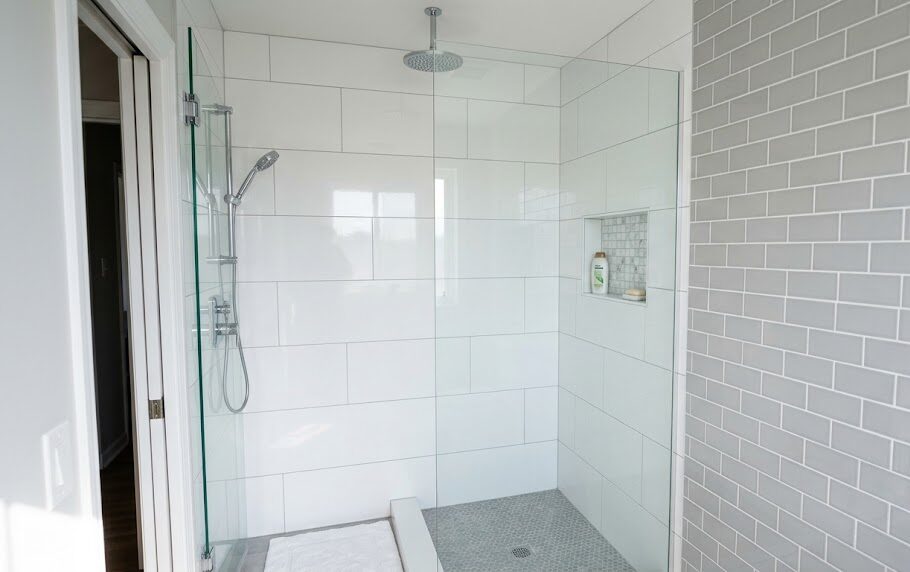
Tile Size for Shower Walls: What Looks Best and What’s Easiest to Maintain
Trying to figure out what size tile belongs on your shower walls before you lock in materials?
The honest answer is that the best-looking shower wall tile is usually the tile size that fits the shower layout, the waterproofing plan, and the maintenance level you actually want to live with. Bigger isn’t always better. Smaller isn’t always safer. I’ve been remodeling homes in Davis County and Weber County since 1998, and what I’ve learned is this: homeowners usually regret shower wall tile choices when they pick by trend first and by real-life function second.
What this means for you is pretty simple. Shower wall tile size affects more than the look. It changes grout lines, cleaning effort, niche layout, edge detailing, visual scale, and even how forgiving the installation will be. In Kaysville, Layton, Farmington, and Bountiful, I’ve seen homeowners fall in love with a tile sample that looked great in a showroom and then feel disappointed once it had to wrap around a niche, meet a bench, or line up with a drain and glass plan that were never fully thought through.
So this guide is the practical version. I’m going to walk you through what larger tile does well, where medium tile makes a lot of sense, when smaller formats still win, and how waterproofing, grout, maintenance, and shower details should drive the decision. If you get this part right early, the whole bathroom feels calmer and more built to last.
- Larger shower wall tile can look cleaner and reduce grout lines, but it demands more disciplined layout planning.
- Medium tile sizes often hit the sweet spot between visual balance, adaptability, and maintenance.
- Smaller tile still has a place, especially for feature areas, tricky geometry, or specific design styles.
- The shower waterproofing plan, niche placement, glass layout, and grout strategy should all be decided before tile size is finalized.
Why shower wall tile size matters more than most homeowners expect
When homeowners picture a finished shower, they usually think about color first. White versus warm greige. Matte versus polished. Patterned versus clean. What gets missed early is that tile size changes the entire feel of the shower. It changes how busy the walls look, how much grout you will see, how the shower reads next to the vanity and floor tile, and how hard the crew has to work around niches, corners, benches, and glass lines.
In real homes across Northern Utah, I’ve found that tile size is often the difference between a shower that feels calm and intentional and one that feels chopped up. And the part homeowners don’t always see coming is maintenance. More grout usually means more visual activity and more cleaning attention. Fewer grout joints can feel cleaner and simpler, but larger tiles can create layout pressure when the wall dimensions and shower details are not cooperating.
It Affects the Visual Scale
The same shower can feel taller, calmer, busier, or more segmented depending on the wall tile size you choose.
It Changes Maintenance
Tile size influences how much grout you live with, and grout is often where the maintenance story really begins.
It Impacts Detailing
Niches, benches, corners, trim pieces, and glass lines all become easier or harder depending on tile format.
It Has to Fit the Shower
The best tile size is the one that fits your actual shower dimensions and waterproofing plan, not just the showroom display.
Understand the waterproofing system behind the tile first
Before we even compare tile sizes, I want to be clear about the order of decisions. The shower wall tile size should follow the system, not lead it. Tile is the finish. Waterproofing is what protects your home.
That matters because the wall size, the niche layout, the bench design, the curb or curbless entry, and the drain strategy all influence how the tile should be laid out. If homeowners lock in tile size too early, they sometimes force the rest of the shower to work backward from a finish choice. I don’t like that approach. I’d rather set the shower up so the waterproofing, slope, and wall details are clear first, then choose a tile size that actually complements the build.
This is especially important in Davis County and Weber County homes where we may be working with older framing, previous remodel conditions, or bathroom footprints that do not give you a lot of extra forgiveness. A wall that looks straightforward can become much more particular once you add niches, benches, trim, and glass.
If you are choosing shower wall tile before you know how the shower is being waterproofed and detailed, you are deciding too early. The finish should support the system, not fight it.
That is why I’d always connect this choice back to tile and waterproofing systems and what’s behind great tile work.
Large-format shower wall tile: what looks great and what can go wrong
Large-format tile is popular for a reason. It can make a shower feel cleaner, quieter, and more modern. Fewer grout joints usually create a more continuous look, which many homeowners love. In a well-proportioned shower, it can give the walls a calm, high-end feel without relying on fussy details.
What large-format tile does well
It reduces grout lines. That alone changes the feel of the room. In a primary bathroom, especially one going for a more modern or spa-adjacent look, that can be a real advantage. Large-format tile also tends to make shower walls feel less visually crowded.
Where it gets trickier
It asks more from the layout. If the shower dimensions, niche placement, bench lines, or edge conditions are awkward, large tile can force cuts that feel less intentional. It can also expose unevenness more readily if the substrate and installation are not handled carefully.
When I’d recommend it
I usually like larger wall tile when the shower design is fairly clean, the waterproofing and wall prep are disciplined, and the homeowner wants a lower-grout, quieter-looking wall surface. It can be especially strong in walk-in showers where the wall planes are given room to breathe.
| Large-Format Strength | What It Means for You |
|---|---|
| Fewer Grout Lines | The walls often feel calmer and simpler, which many homeowners associate with a cleaner, more current look. |
| Modern Visual Impact | Large tile can support a more streamlined shower design, especially in walk-in layouts with clean glass lines. |
| Less Visual Busyness | In smaller bathrooms, reducing grout joints can help the room feel more open and less broken up. |
| Higher Layout Pressure | Large tile demands good planning around niches, corners, and shower dimensions so the cuts do not feel awkward. |
- you want a calm, low-grout look
- the shower layout is fairly clean and not overloaded with detail interruptions
- the waterproofing and wall prep are being handled with real discipline
- you want the shower to feel taller and more streamlined
- you are comfortable letting the tile layout be planned carefully instead of forcing a size too early
Medium-format tile: often the best balance for real homes
If I had to pick a category that works well for a lot of homeowners, it would usually be medium-format shower wall tile. This is often where design flexibility and practical buildability meet. It does not feel overly busy like some small-format layouts can, and it does not push the shower into the same layout demands that large-format tile sometimes creates.
Why it works so often
Medium-format tile tends to adapt well to actual bathroom dimensions. It still gives you a clean, strong look, but it is often more forgiving around niches, benches, shower heads, valve layouts, and corners. That makes it a very practical choice in real-life remodeling, especially in older homes where walls are not always as forgiving as new-construction framing suggests on paper.
What homeowners like about it
You can still get a modern look, a traditional look, or something in between. Medium tile gives you more visual flexibility without overcomplicating the installation.
Why I often steer people here
Because it tends to produce fewer regrets. When homeowners want something that looks good, cleans reasonably well, and fits the room without forcing the shower to pretend it is a showroom set, medium tile is often a very smart answer.
Good Visual Balance
It often avoids the hyper-busy feel of small tile and the layout pressure of oversized formats.
More Forgiving Around Details
Niches, corners, trim pieces, and penetrations often feel easier to resolve cleanly with medium tile.
Still Easy to Style
It can work across modern, transitional, and classic bathroom designs without locking the room into one look.
Often the Practical Sweet Spot
In many Davis County and Weber County homes, this size range simply fits the room and the remodel process better.
If a homeowner wants a strong shower wall tile choice without pushing too hard toward trend or complication, medium-format tile is often where I’d start the conversation.
Small-format tile: where it still makes sense
Smaller wall tile is not outdated. It just needs a good reason. In some showers, small-format tile is exactly the right choice. It can work especially well in feature walls, niche backs, more classic bathroom styles, or spaces where the visual texture is part of the design goal.
What small tile does well
It can create character. It can wrap around tight or detailed areas more gracefully. It can help a feature area stand out. In the right setting, it can add warmth and rhythm that larger tile would never deliver.
Where homeowners need to be realistic
More joints means more visual activity and usually more grout to keep an eye on. That is not necessarily a deal-breaker. It just means the shower needs to be chosen with open eyes, especially if the homeowner wants the easiest possible maintenance story.
Where I like it best
I often prefer smaller tile as an accent or detail choice rather than the entire shower-wall field, unless the overall design is really committed to that style. It can be great in niche backs, vertical stripes, or feature sections without making the whole shower feel too busy.
| Small-Format Strength | Why It Still Has a Place |
|---|---|
| Detail Friendly | Smaller pieces can adapt nicely around niches, curves, or tighter visual transitions. |
| Design Character | It can bring a classic, textured, or handcrafted feel that larger tile usually does not. |
| Good for Feature Areas | It works especially well when used selectively rather than everywhere. |
| Higher Maintenance Visibility | More grout usually means more visual maintenance and more lines for the eye to track across the wall. |
What’s easiest to maintain: tile size, texture, and grout decisions that matter
When homeowners ask what is easiest to maintain, they are usually asking a smart question. And the honest answer is that maintenance is not decided by tile size alone. It is tile size plus surface texture plus grout volume plus grout type plus how the shower is ventilated and used.
Fewer grout lines usually helps
From a day-to-day standpoint, fewer grout joints usually means a calmer maintenance story. That is one reason large and medium wall tiles remain popular.
But smooth does not always mean best
Texture, finish sheen, and how soap residue shows up on a given surface all matter. A wall tile can have fewer grout joints and still be annoying to maintain if the surface constantly shows water spots and film.
Grout deserves more attention than it gets
Grout color and grout type can dramatically change how the shower ages visually. I would not treat grout as an afterthought. It is part of what the homeowner sees every day.
- fewer grout lines usually make wall maintenance simpler
- choose tile finishes that do not constantly advertise water spots
- pay attention to grout color and how it will age in your household
- remember that good ventilation helps tile stay looking cleaner longer
- the easiest shower to maintain is one that was designed around real-life use, not just showroom lighting
This is where I’d also connect the choice back to low-maintenance grout choices, bathroom vent fan sizing, and mold-prevention basics.
Niches, benches, glass, and edges can make or break the tile-size decision
This is where a lot of shower wall tile plans either tighten up or fall apart. A tile size that looks perfect as a loose sample can become awkward fast once it has to wrap a niche, land cleanly at a bench, meet a glass line, or hit a trim edge without a bunch of patchwork cuts.
Niches need layout respect
Shower niches are one of the easiest places for a layout to look rushed. The tile size should work with the niche—not just pass by it and hope the cuts feel acceptable.
Benches and ledges change the geometry
Once you introduce a bench or shelf, you create more transitions and more opportunities for the tile size to either support the design or fight it.
Glass lines matter more than most homeowners realize
Shower glass, trim edges, and tile layout should feel like they were planned together. If they don’t, the shower can feel a little off even when the individual materials are good.
Niches
The tile size should let the niche feel intentional, not like it interrupted a wall tile plan halfway through.
Benches
Bench faces, tops, and wall transitions all benefit when the wall tile size was chosen with those details in mind.
Glass Placement
Tile and glass look better together when the lines feel coordinated rather than coincidental.
Edge Trim
Every tile size creates a different trim and edge story. That needs to be part of the decision, not an afterthought.
That is why I’d always bring this choice back to niches, benches, and shelves and walk-in shower planning.
What looks best in different kinds of bathrooms
“Best” depends on what kind of bathroom you are building. A tighter hall bath does not always want the same answer as a larger primary suite. A classic home in Bountiful may want a different shower wall language than a more modern remodel in Farmington. This is one reason I like homeowners to decide with the room, not just with the sample board.
For a calm, modern look
Larger or medium-format tile often makes the most sense. It keeps the wall surface quieter and helps the shower feel more open.
For a timeless, flexible look
Medium-format tile is often the safest and smartest choice. It gives you design freedom without overcommitting to one extreme.
For a more detailed or classic style
Smaller tile can still be a very good fit, especially when used with intention and balanced by calmer surrounding materials.
| Bathroom Goal | Tile Size Direction That Often Fits |
|---|---|
| Modern and Clean | Larger or medium-format wall tile usually helps the shower feel quieter and more streamlined. |
| Timeless and Low-Stress | Medium-format wall tile is often the most flexible and least risky long-term choice. |
| Detailed or Feature-Driven | Smaller tile may make sense in accents, niches, or a more character-heavy shower design. |
| Easy Maintenance Priority | Larger or medium tile with a smart grout strategy usually gives the cleanest everyday result. |
Red flags to watch for during planning and install
Homeowners do not need to know every technical move on a tile install, but it helps to know what weak planning sounds like. These are the signs I’d take seriously.
The tile size was chosen before the shower details were settled
If no one has really talked through waterproofing, niches, edges, or glass lines yet, the tile size decision may be happening too early.
No one can explain the wall layout clearly
You should hear how the tile will start, where it will land, how niches will be handled, and how the visual lines will stay clean.
The shower is being sold on trend alone
If the conversation is mostly about what is “in right now” and not about what will look balanced in your home, I’d slow down.
Grout is being treated like a throwaway choice
Grout color, grout type, and maintenance expectations should be part of the wall tile discussion, not something picked at the last second.
The installer sounds vague about waterproofing
If the system behind the tile is unclear, the wall tile size question is not the biggest problem. The process is.
I want you to know how the shower is being built, how the tile size fits the wall layout, where the edges land, and what that means for cleaning and maintenance. That is the kind of clear scope that keeps surprises down.
So what tile size looks best and stays easiest to maintain?
If I’m giving you the straightforward answer, the sweet spot for a lot of homeowners is usually medium-format shower wall tile. It tends to give you a clean look, a manageable grout story, and enough flexibility around niches, benches, and glass lines that the shower still feels intentional once the room is actually built.
Large-format tile can be excellent when the shower layout is simple enough to support it and when you really want that calm, lower-grout look. Smaller tile still absolutely has a place, but I would use it with intention, especially if your main goal is easy maintenance.
What I’d recommend is not choosing the tile size in isolation. Choose it after the waterproofing system, shower details, and layout are clear. That is how you get something that looks good on day one and still makes sense after years of real use in your home.
- Large wall tile looks clean and modern but asks more from the layout.
- Medium wall tile is often the best balance of appearance, flexibility, and maintenance.
- Small wall tile works best when it has a clear design purpose.
- The easiest shower to maintain is one where tile size, grout, waterproofing, and ventilation were all planned together.
- If the room details are still unsettled, wait before you lock in the tile size.