

Kitchen Lighting & Electrical: Built to Last
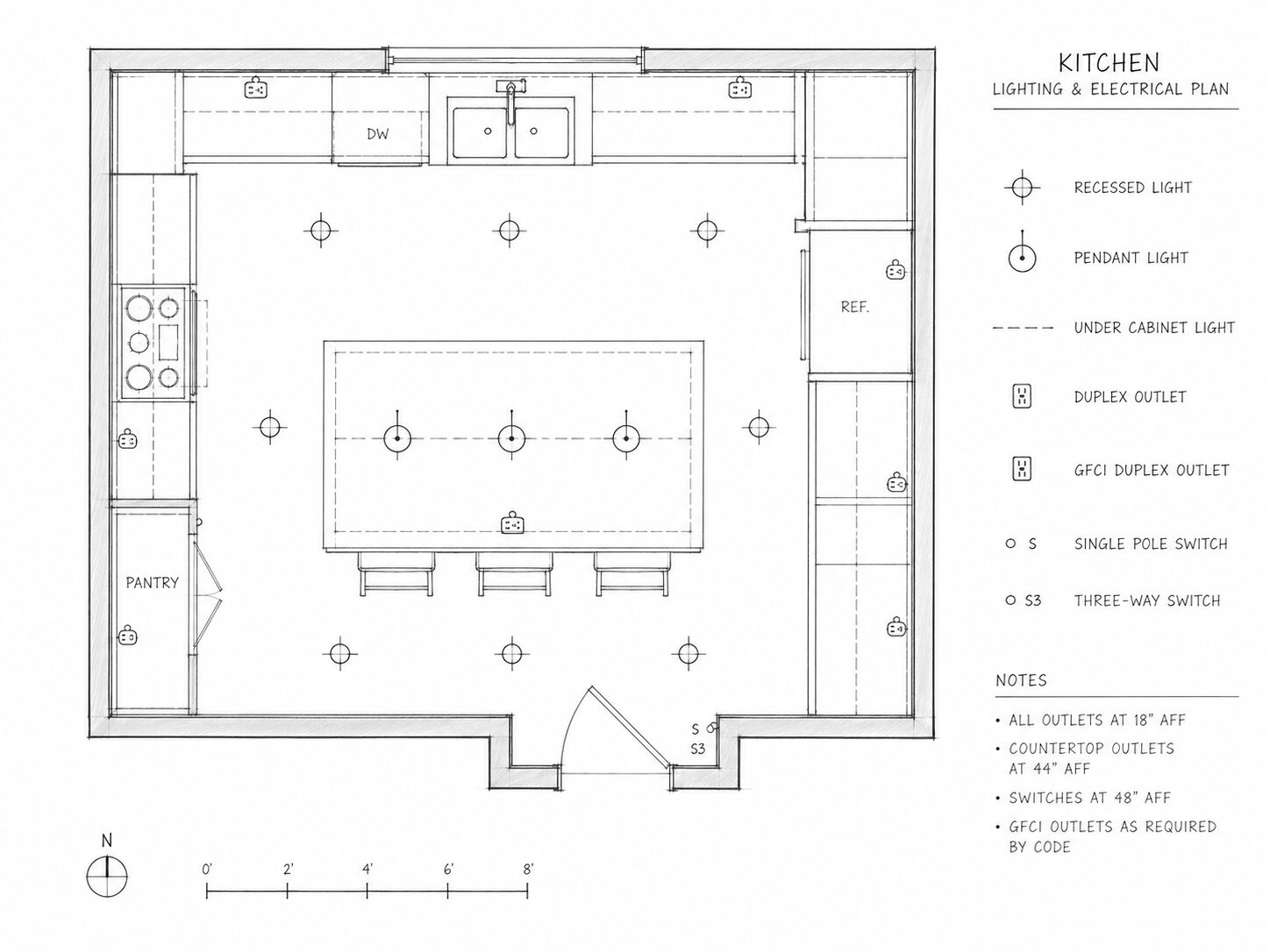
Lighting and electrical shouldn't be an afterthought.
WHAT'S INCLUDED
Layered Lighting
Under-Cabinet & Island Fixtures
Outlets, Switches & Circuits
Code & Safety Compliance

The Lighting Decisions That Matter Most
1. How you want the kitchen to feel at night
2. Where task lighting is truly needed
3. Under-cabinet lighting — done cleanly
4. Outlet placement based on how you live
5. Switch placement and control logic
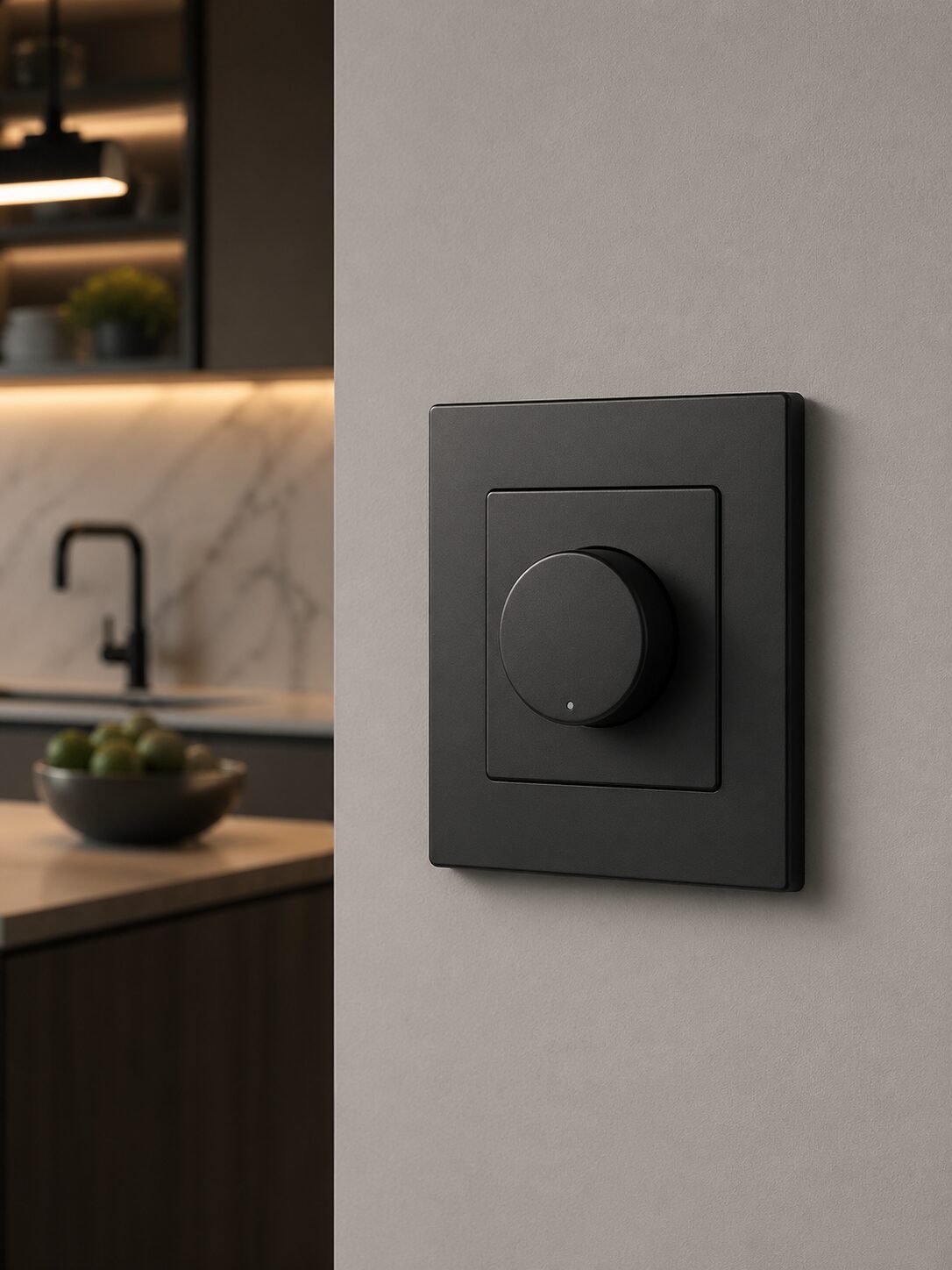
Smart Lighting Options — Only If You Want Them
OUR PROCESS
CONSULT
1.
ALIGN
2.
ROUGH-IN
3.
TRIM-OUT & TEST
WHY CHOOSE FORTRESS
BUILT TO LAST
A PROCESS YOU CAN TRUST
MODERN, APPROACHABLE DESIGN
Frequently Asked Questions
If you prep food regularly, under-cabinet lighting is one of the best ROI upgrades for everyday comfort. It solves counter shadows and makes the kitchen feel higher-end — especially when planned early so wiring is concealed.
It’s all about a layered plan — task, ambient, and accent lighting working together — plus controls that let you set the mood. We plan for both function and comfort so the kitchen feels right at every time of day.
They should follow how you use your kitchen — coffee station, prep zones, charging areas, island use, and any specialty appliances. We plan outlet placement around your routines, not just to code minimums.
Yes. We keep everything manual-friendly while adding scenes and dimming where it helps — so the kitchen feels more comfortable without becoming overly techy. Smart switches that still work like normal switches are a popular choice.
Earlier is better — because it affects cabinetry, ceiling work, and finish coordination. Planning early prevents expensive changes later and ensures your outlets and switches land exactly where they need to be.
Fortress Builders Lighting and Electrical Update
Planning a Kitchen Charging Zone? Keep Safe Charging in Mind
On October 7, 2026, the National Fire Protection Association announced its tenth annual partnership with State Farm for Fire Prevention Week. The October 4–10 observance focused on safe charging of lithium-ion-powered devices. This was an outreach campaign—not a new Utah electrical requirement.
NFPA recommends using the device’s supplied charging cord and charger, or equipment approved by its manufacturer. Charge on a hard, flat surface and unplug the device when fully charged. Stop using a device if it becomes excessively hot, swells, leaks, smells unusual, or makes popping or hissing sounds.
If you are planning a kitchen remodel, consider where phones, tablets and other rechargeable devices will be used and charged during daily routines. Before electrical rough-in, share those habits with your remodeling team and discuss outlet placement for an accessible charging area. The practical takeaway: plan the location around safe charging guidance, rather than assuming a drawer or enclosed cabinet is suitable.
WHERE WE WORK
Ready for a kitchen that feels better every day?
Related Articles
Kitchen Lighting Plans for 2026: Task Zones, Under-Cabinet Light, Charging, and Code-Smart Circuits
Good kitchen lighting is layered, code-aware, and built around daily routines. Plan task light, under-cabinet light, outlets, and controls early.
Read more →Basement Lighting & Electrical That Brightens Every Space
Basement Lighting & Electrical That Brightens Every Space A finished basement can have great flooring, fresh walls, and beautiful built-ins...
Read more →Kitchen Lighting & Electrical Designed for Real Life
Kitchen Lighting & Electrical Designed for Real Life A beautiful kitchen can still feel frustrating if the lighting is harsh,...
Read more →