

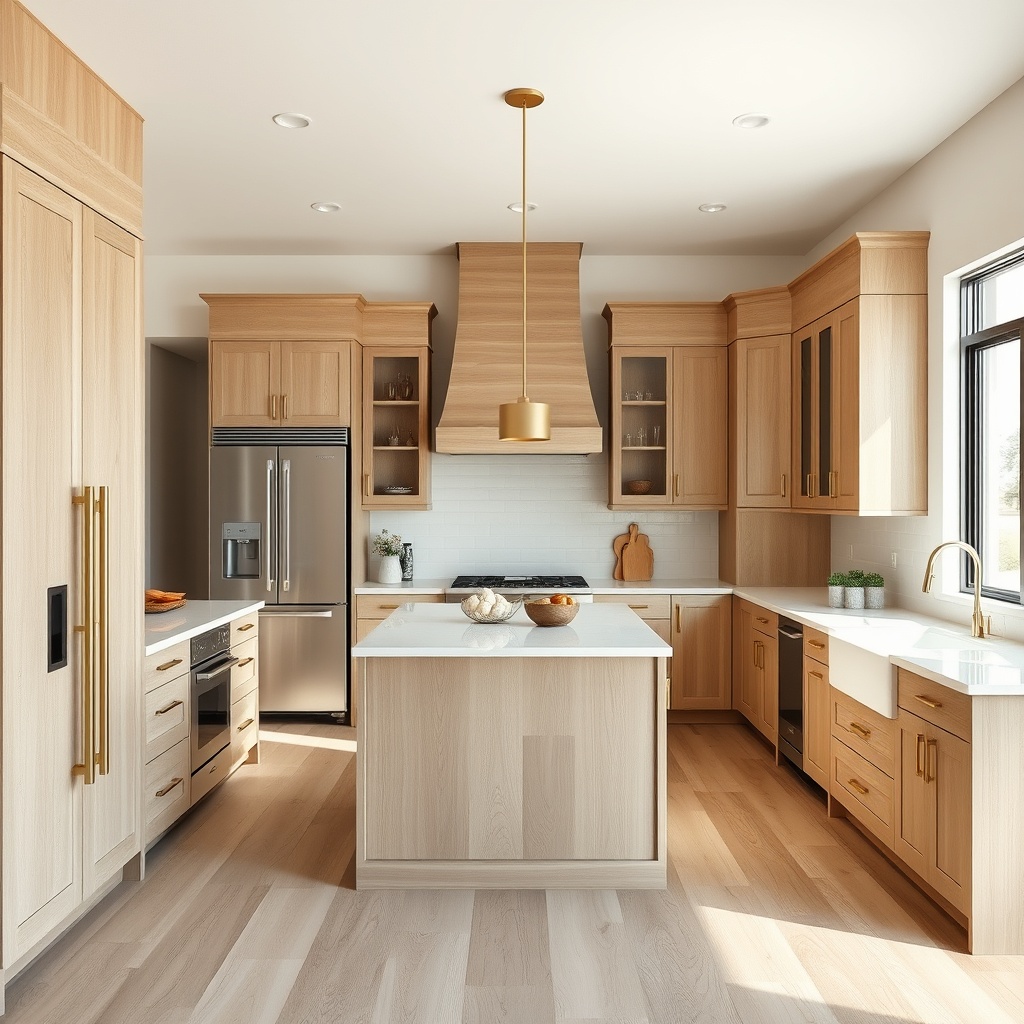
Few spaces reveal as much about shifting homeowner priorities and market evolution as the kitchen. In Utah, the kitchen remodel is an inflection point—a functional hub and an emotional anchor, shaped by macro trends, local preferences, and ever-changing industry realities. Today, designing and remodeling this space goes beyond choosing cabinetry and countertops; it’s about interpreting nuanced cost signals, navigating technology innovations, and future-proofing investments in an uncertain world.
For homeowners and industry observers, understanding kitchen remodeling in 2026 isn’t just about style—it’s about responding to embedded forces: demographic shifts, code updates, material disruptions, and evolving expectations of what the kitchen “should” do. This article synthesizes market data, emerging design signals, and practical implications, bridging blog-style insights, trend reporting, and future outlook to equip readers with strategic understanding—not just about what’s changing, but why, and how to respond.
1. Market Signals Shaping This Topic
Utah homeowners are facing a dynamic remodel economy, with costs for kitchen renovations diverging more sharply across project types. In 2026, minor kitchen updates may start at $10,000 but can quickly escalate, with mid-range projects climbing to $55,000 and luxury renovations breaking past $130,000—especially when structural, appliance, or code-driven changes are in play.
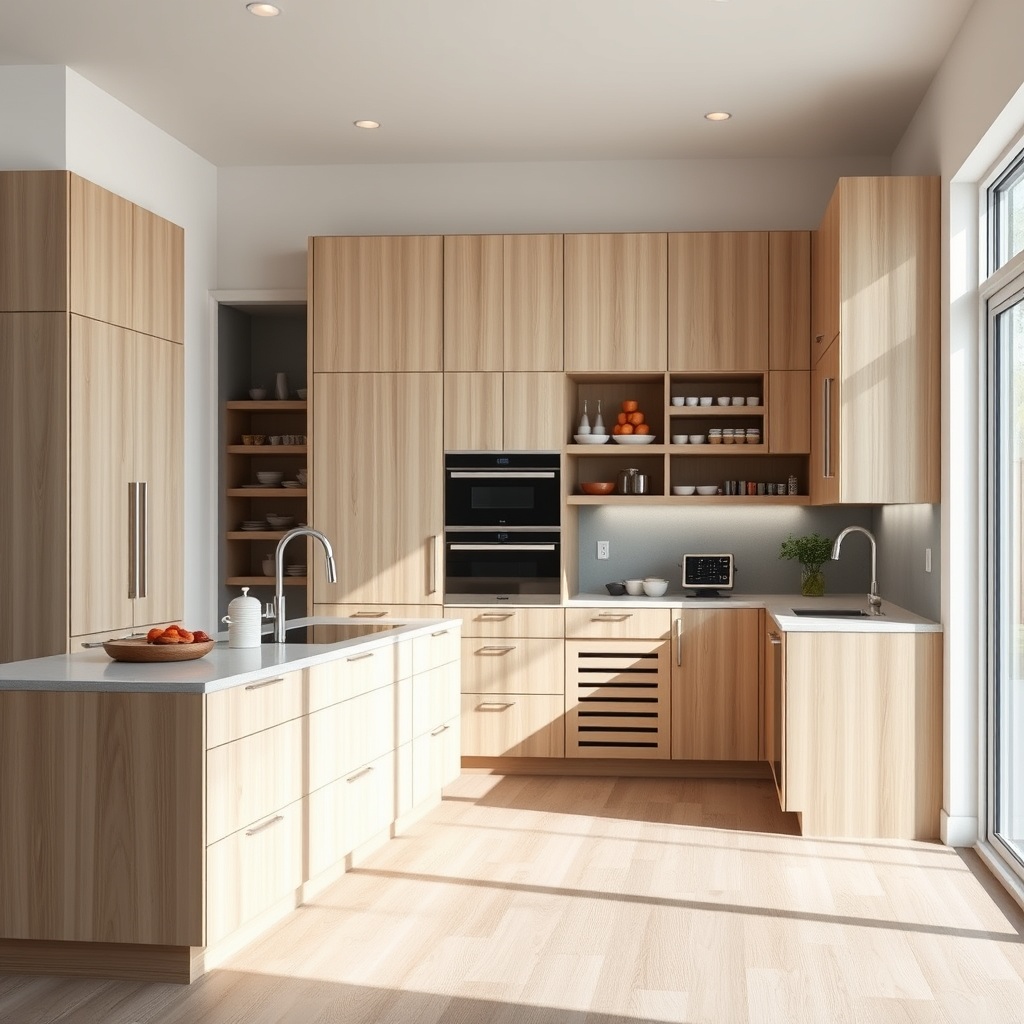
This cost acceleration isn’t entirely new, but it’s compounded by national supply chain volatility, a premium on specialized labor (especially for custom carpentry and advanced technology installs), and new code requirements in ventilation, accessibility, and energy efficiency. Homeowners no longer just want a functional upgrade; their investments are shaped by a desire for long-term ROI, reduced disruption, and spaces that solve for daily complexities—not just aesthetics.
For remodelers and project planners, this means traditional cost-per-square-foot assumptions are less reliable. Budgeting now often includes a contingency for unforeseen code compliance or labor shortages—spotlighting the value of contractors who offer transparent, process-driven estimating and the ability to “phase” upgrades for immediate needs versus future goals.
2. Why These Patterns Are Emerging
Several converging forces explain why Utah kitchens are evolving so rapidly. Remote and hybrid work lifestyles have fueled demand for adaptable, multi-zoned kitchens that double as homework nooks, flex offices, or informal gathering spots. Kitchen design now reflects a desire for “quiet luxury”—calm, layered rooms where natural textures and warmer neutrals replace the clinical gloss and cool grays of the 2010s. At the same time, aging-in-place planning and multigenerational living have become central, with more homes integrating accessibility features that blend seamlessly into overall design.
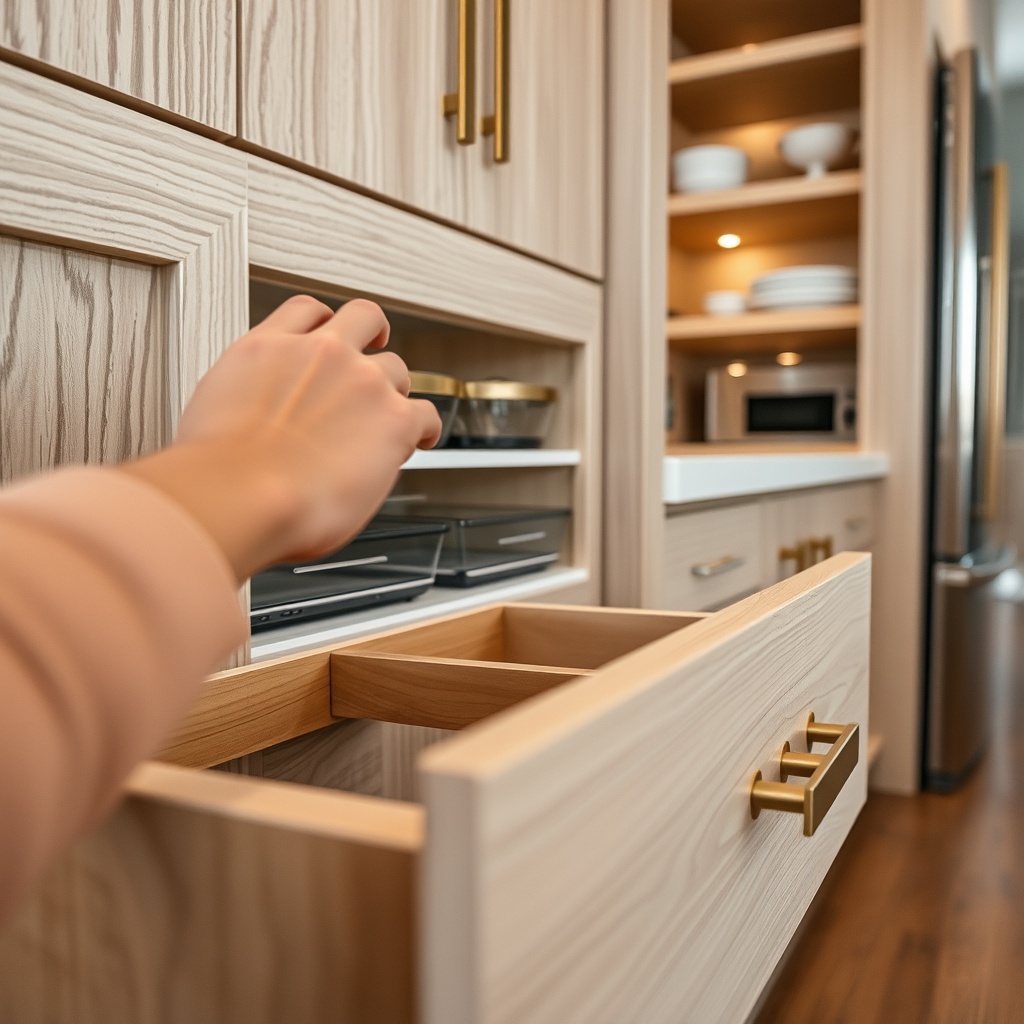
Strategically, local home values have climbed, making remodels an even more potent lever for increasing equity and future resale potential. But buyers and homeowners alike now scrutinize design choices for durability and timelessness, wary of trend-driven “wow” moments that could date quickly. As a result, there’s an increased emphasis on professional-grade yet approachable finishes (white oak cabinetry, quartz worktops, brushed brass hardware), and high-impact elements with staying power—such as custom range hoods, integrated smart tech, and hidden pantries.
On the operational side, Utah’s statewide updates in ventilation, ADA compliance, and energy codes have further reshaped the remodel process. It’s no longer possible to simply swap out cabinets or appliances without a holistic view of airflow, lighting efficiency, and universal design standards.
“The intersection of practical code demands, emotional well-being, and ROI-driven investment is narrowing the gap between form and function in Utah’s kitchen remodels. Navigating this new complexity requires project plans that balance personal style, durability, and future adaptation.”
3. Traditional Approaches vs Emerging Approaches
The tectonic shift underway in Utah’s kitchen remodeling market is as much about process as it is about palette or product. Legacy models—focused on cosmetic updates or isolated feature swaps—are giving way to holistic, design-build strategies. Contemporary remodels prioritize workflow, material longevity, and adaptability, with an intense focus on maximizing storage, flow, and spatial flexibility.
For homeowners, this transition means rethinking success. No longer is it enough to chase magazine-ready visuals. Execution now centers on aligning functional needs (like appliance garages, sculleries, or secondary prep zones) with wellness-forward design and technology integration—a calculus that blends aesthetics with enduring value. Below is a comparison chart illustrating several of these fundamental shifts:
Shift |
Legacy Model |
Emerging Model |
Homeowner Impact |
|---|---|---|---|
Color Palette & Texture |
All-white, minimalist, high-gloss |
Warm neutrals, natural wood, organic |
Calmer, cozier, higher resale adaptability |
Layout Planning |
Closed or basic open-concept |
Multi-zoned, seamless multi-functional spaces |
Improved flow, supports hybrid living/working |
Storage Approach |
Open shelving, standard cabinets |
Hidden pantries, integrated appliance garages |
Less visual clutter, more usable space |
Appliance Integration |
Standalone, visible appliances |
Concealed, smart, voice-activated tech |
Easier maintenance, future-proofing |
Material Selection |
Chrome, basic laminate, painted wood |
Brushed brass, LVP, white oak, quartzite |
Higher durability, luxury feel, less upkeep |
Budgeting & ROI Focus |
Short-term refresh, minimal planning |
Investment-driven, phased, code-savvy |
Greater value, fewer surprises, longer lifespan |
4. How Homeowners Are Responding
The modern Utah homeowner is better informed than ever, entering the remodel process with high expectations—and, in many cases, past regrets. There’s a new insistence on planning for disruption and managing scope: supply chain unpredictability and contractor waitlists have led many to break large projects into discrete phases or opt for smaller, high-impact upgrades that deliver immediate livability without overextending budgets.
This video walks through a local family’s remodel journey—emphasizing real-world decisions on storage, appliance placement, and room flow. A key insight is their prioritization of deep pull-out pantries and hidden storage, which minimized daily clutter and future-proofed the space for children and multigenerational use—a microcosm of the broader Utah shift toward pragmatic, livable upgrades.
Many are also requesting clearer timelines and transparent, itemized bids from contractors to avoid the sticker shock that comes from post-demolition discoveries or code-mandated add-ons. This has elevated the authority and appeal of design-build remodelers whose process guides clients through every regulatory, aesthetic, and functional decision.
5. Design or Remodeling Strategies Emerging
Innovative Utah projects are now characterized by layered strategies—balancing trend-conscious design moves with enduring infrastructure. Some of the most effective tactics include:
- Integrating secondary kitchens or sculleries to ease daily workflow and maintain a de-cluttered primary kitchen space
- Implementing “invisible tech”: voice-activated faucets, smart lighting, and concealed charging for a seamless look that delivers advanced function without visual noise
- Opting for artisan-crafted details, such as custom wood range hoods or curved island edges, that deliver a sense of individualized luxury and local craftsmanship
- Prioritizing ADU-friendly and aging-in-place layouts, with wide clearances, levered hardware, and layered lighting plans
This project showcase illustrates how a high-functioning Utah kitchen can balance character with future adaptability. Accessible storage, nature-inspired finishes, and professional-level zoning ensure the space is usable for every member of the family while still feeling bespoke and rooted in place.
For homeowners seeking even more detailed recommendations on innovative layouts, our resource on kitchen design and layouts explores effective options suited to both large and compact spaces.
6. Short-Form Trend Signals
During the last eighteen months, short-form social content has accelerated trend awareness, with Utah homeowners rapidly pivoting away from trends like open shelving and cool-gray palettes. Instead, there’s buzz around biophilic design, deeper natural colors (forest green, deep blue), and built-in tech features, all influencing actual material choices and layout plans.
This recent TikTok demonstrates a rapid kitchen transformation utilizing wireless charging counters and concealed lighting, showing how digital inspiration is now informing both DIY updates and full remodels. These bite-sized trend signals don’t just reflect taste—they shape demand: homeowners are actively requesting features they see on socials—if they align with Utah priorities of durability and ROI.
7. Homeowner Questions Emerging Around This Topic
- What is a realistic kitchen remodel budget per square foot in Utah, given current market volatility?
- Are quartz or natural stone surfaces better for daily wear, especially with kids or heavy cooking?
- With design trends moving away from all-white, what palettes and finishes have the strongest resale appeal?
- How can small or older Utah kitchens maximize storage and workflow without major structural changes?
>
8. Material Innovation and Application
Material choices in 2026 Utah remodels reflect a deepened connection to nature and enhanced performance: warm woods, especially white oak, are now preferred over painted or synthetic options, delivering warmth, character, and broad appeal. Quartz remains the dominant countertop surface, prized for its resilience and stain resistance, while natural quartzite is emerging as the luxury alternative mimicking marble’s beauty without the same vulnerability.
High-traffic floors increasingly favor luxury vinyl plank (LVP) for its waterproof qualities and comfort underfoot, a shift especially pronounced in busy family homes. Hardware finishes now trend toward aged bronze or brushed brass, “warming up” the palette and visually aligning with the organic textures found throughout the space.
Lighting, long underprioritized, is central to both comfort and function. Utah remodels increasingly use layered lighting—from circadian LED systems to smart dimmers—to boost wellness and accommodate aging eyes, without sacrificing atmosphere. For creative lighting strategies, visit our guide to kitchen lighting and electrical planning.
9. Code Shifts and Compliance Strategies
Utah’s regulatory framework is increasingly visible in remodel planning, with local code updates targeting range hood ventilation, make-up air systems, and energy efficiency benchmarks for appliances and lighting. For homeowners, understanding these mandates translates directly into project scope, cost, and even appliance selection. For example, larger professional-style ranges now often trigger make-up air requirements, not just a simple vent upgrade.
ADA-driven accessibility codes have begun shaping kitchen dimensions and hardware selections, especially in multigenerational or forever-home remodels. Lighting controls, faucet operation, and passage widths may need to be specified at project start to avoid costly redesigns mid-build.
This focus underscores the value of working with remodelers who proactively manage the appliance and ventilation permit process, pre-empting delays and ensuring no gaps in compliance that could derail a home sale or future refinance.
10. Emotional Drivers and Avoiding Remodel Regret
While cost and style get the headlines, emotional drivers—pride, anxiety, the desire for comfort—are always at play. Many homeowners now value “lived-in” spaces layered with artisan touches and a sense of permanence, not just this year’s look. Too often, rushed decisions on trendy features or low-quality hardware yield regret—either due to dated style, diminished workflow efficiency, or premature material failure. Smart remodels plan for adaptability, not just today’s stage-of-life puzzle.
This Instagram Reel reinforces the impact of thoughtfully layered design: color, hardware, and layout harmonized to create an inviting, personal kitchen. Inspiring, yes—but also a cue to see design not as an end point, but an ongoing process of adaptation.
11. Looking Forward: The Next Phase of Kitchen Remodeling
The next wave of Utah kitchen remodels will be defined less by surface-level “wow” factors and more by systems thinking: biophilic design (living walls, natural light), induction technology directly embedded into countertop surfaces, fully “un-kitchen” concealment for appliances, and smart inventory tracking for pantry management. Circularity—using reclaimed or recycled materials—will also see uptake as sustainability concerns become inseparable from investment strategy.
For contractors and designers, structural differentiation will come from process clarity, technology fluency, and integrated compliance management—aligning every aspect of design, construction, and long-term support. Homeowners will increasingly value remodel partners with the discipline to balance evolving trends against endurance, resale value, and daily function.
Emerging solutions—like wireless-embedded surfaces and circadian lighting profiles—will reframe what “modern” kitchen design means, making the space even more adaptive to changing household needs. For those considering upgrades, now is the time to tap guides like our cabinetry & countertop advice or flooring selection resources to ensure every choice stands up to future demands.
12. Takeaway: Navigating Complexity, Investing in Resilience
Utah’s 2026 kitchen remodel landscape is a study in both complexity and possibility. Costs and codes are more nuanced, but so are homeowner expectations and the tools available for differentiation. Projects that succeed—delivering both enjoyment today and ROI tomorrow—start with deep market awareness, holistic planning, and a willingness to evolve with technology and lifestyle shifts.
Ultimately, the role of the experienced remodel partner is to translate market signals, emerging trends, and personal needs into robust, resilient spaces—ensuring every investment is grounded in thoughtful design, regulatory foresight, and a clear process. Whether you’re planning a refresh or a gut renovation, start the journey with the right questions, the best resources, and a vision that can adapt not just to 2026—but to the many changes still to come.
This content is informed by the experience of Troy Lybbert, Founder of Fortress Builders. As a licensed general contractor since 1998, Troy brings over two decades of hands-on residential construction experience in remodeling and custom home building throughout Northern Utah.