

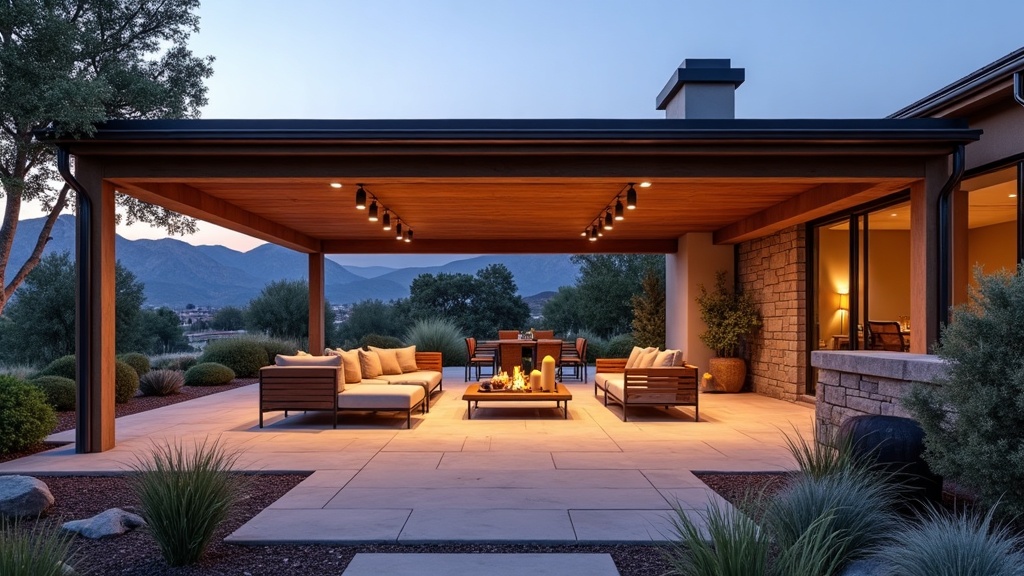
Outdoor Living in Utah: Shade, Surfaces, and Water-Wise Planning for 2026
A Utah-specific guide to planning outdoor living spaces around shade, surfaces, drainage, freeze-thaw, privacy, lighting, and water-wise transitions.
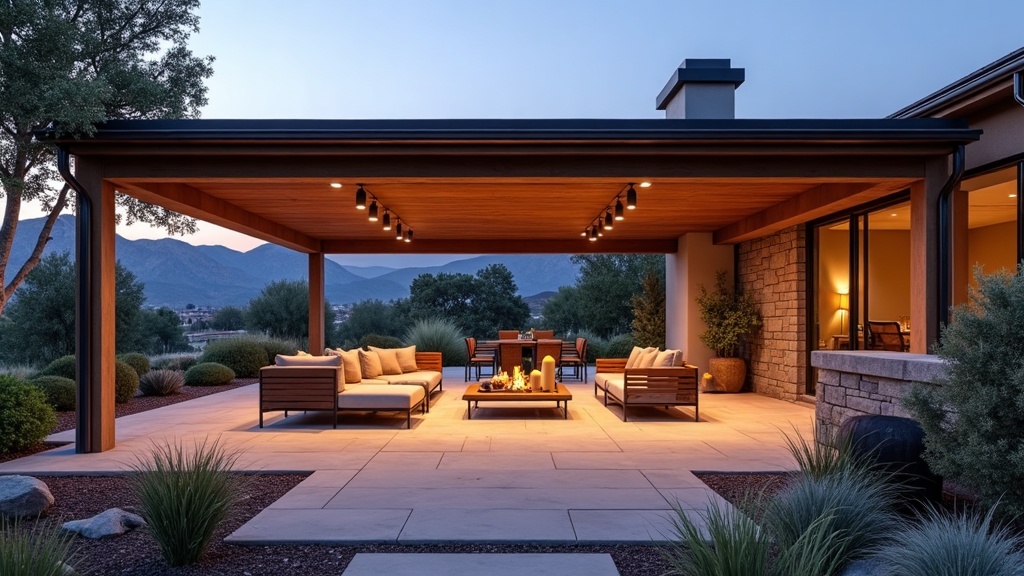
Thinking about making your backyard more usable? The honest answer is that outdoor living spaces in Utah need more than a patio photo. Shade, wind, drainage, freeze-thaw, sun exposure, privacy, lighting, and water-wise landscaping all affect whether the space gets used.
In Davis and Weber County homes, outdoor rooms can add everyday value because summer evenings, family gatherings, and mountain views matter. But a patio that bakes in afternoon sun or drains toward the house will frustrate you.
Here’s what I’d recommend: design the outdoor space the same way we design interior remodels — function-first, built to last, and clear from the start.
Why outdoor spaces need Utah-specific planning
Utah outdoor spaces face hot sun, cold mornings, freeze-thaw cycles, wind, snow, and dry conditions. Materials and layouts that work somewhere else may not hold up the same here.
Shade and orientation matter. A west-facing patio may need a different plan than a shaded backyard in an older neighborhood with mature trees.
What this means for you is that outdoor living spaces Utah homeowners actually use should be planned around climate first, then style.
If a decision affects plumbing, framing, electrical, comfort, or daily use, I want it in the scope before construction starts. That is how you protect your home and avoid surprises.
Shade, wind, drainage, and freeze/thaw considerations
Shade can come from a roof cover, pergola, trees, screens, or the home itself. The right choice depends on sun direction, views, budget, and how permanent the structure should be.
Drainage is not optional. Patios, walkways, outdoor kitchens, and transitions need to move water away from the house. Freeze-thaw makes poor drainage show up later as shifting, cracking, or settling.
Wind also matters. Outdoor kitchens, fire features, privacy screens, and furniture all need placement that works in real weather.
Patio, deck, pergola, and outdoor kitchen decisions
A patio may be best when you want durable ground-level living. A deck may solve grade changes. A pergola can create shade without fully enclosing the space. A covered patio is more substantial and needs careful tie-in planning.
Outdoor kitchens can be useful, but only if they match how you host. A grill zone, counter, storage, lighting, and power may be enough. A larger build may need more utility and code-aware planning.
I’d recommend starting with meals, seating, shade, and movement from the house before selecting materials.
Lighting, privacy, and flow from the house
Outdoor lighting should be warm, safe, and layered. Think steps, paths, cooking zones, seating, doors, and low-glare evening use.
Privacy can come from fencing, screens, landscaping, structure, or careful orientation. It should not feel like an afterthought tacked onto a patio.
Flow from the house matters most. If the grill, seating, and doors are awkward, the space will be underused even if it looks good.
What water-wise planning may affect
Water-wise planning can affect planting beds, turf areas, drainage, irrigation, shade, and how hardscape meets landscape. It can also influence long-term maintenance.
If incentives or local programs matter to you, verify current requirements before committing to a landscape plan. Programs and rules can change.
A good outdoor remodel should feel comfortable now and responsible over time. That means planning shade, surfaces, drainage, and water use together.
A simple planning sequence I’d use
For outdoor living spaces Utah, I would not start with the prettiest finish or the most expensive feature. I would start with the way your home needs to work when the project is done. That gives the design a job before the crew begins opening walls, setting rough-ins, or ordering materials.
In Davis and Weber County homes, the sequence matters because basements, additions, outdoor spaces, and flex rooms all have existing conditions that can shape the final scope. Ceiling height, window locations, drainage, mechanical access, electrical capacity, door swings, stair paths, and storage needs can all change what is realistic.
Define the daily use
Write down who will use the space, when they will use it, what frustrates them now, and what the room needs to handle five years from now. This keeps the plan tied to real life instead of a trend.
Check the existing conditions
Before design gets too far, look at structure, moisture, utilities, framing, access, ventilation, and local permit questions. Those details tell us what the room can support without surprise rework.
Set the scope before selections
Once the function and constraints are clear, then materials, fixtures, cabinetry, lighting, and finish details can be chosen with confidence. That is how you keep the remodel built to last.
That step-by-step order may feel slower at first, but it usually saves time later. A remodel gets stressful when decisions are made out of order. A clear scope gives you a calmer project, a more realistic timeline, and a final walkthrough that matches what you expected.
What I’d verify before the final scope
Before I called the scope final for Outdoor Living in Utah: Shade, Surfaces, and Water-Wise Planning for 2026, I would verify the practical details that can change the build. That may include permits, inspection path, egress, ventilation, drainage, electrical capacity, structural tie-ins, moisture history, material compatibility, or access to mechanical systems.
This is where no surprises really starts. The design can look clean, but the home still has to be buildable. I would rather pause for the right check than push forward and discover during construction that a wall, window, drain, vent, or electrical run needs to move.
If the project touches code-sensitive areas, rental-style use, sleeping space, plumbing, exterior work, or structural changes, verify those details with the right local building department or qualified specialist. That keeps the plan honest and protects your home before the crew is deep into the work.
Questions homeowners ask before they decide
What should I plan first for an outdoor living space in Utah?
Start with sun, shade, wind, drainage, access from the house, and how you will use the space.
Is a covered patio better than a pergola?
It depends. A covered patio offers more protection but usually requires more structural planning. A pergola can be lighter and still useful for shade.
Should I include an outdoor kitchen?
Only if it matches how you host. Some homes need a full outdoor kitchen; others need a practical grill and prep zone.
How does water-wise planning affect outdoor remodeling?
It can affect planting, irrigation, turf, drainage, and hardscape transitions. Verify current local programs or incentives before building around them.
Ready to plan an outdoor space around shade, surfaces, and real Utah use?
Ready to talk through scope and timeline? A design consult is the right first step. We’ll walk through how your home is used, what the layout can support, what needs to be verified, and how to protect the project from surprise changes.
Planning note: Remodel scope, permits, inspection requirements, and existing conditions vary by city and home. Use this article as a practical starting point, then verify project details through your local jurisdiction and a qualified contractor before construction begins.