

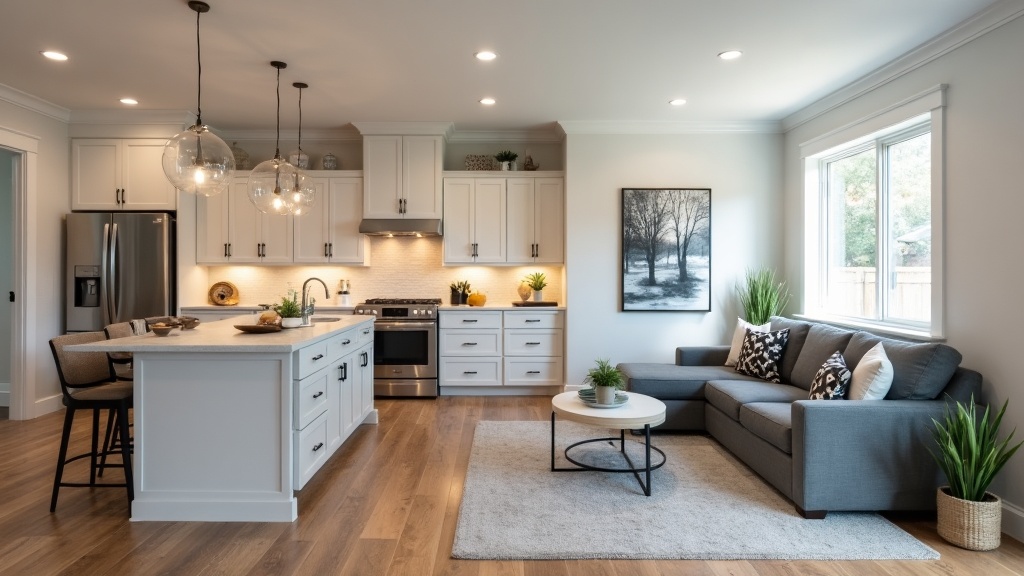
How Whole-Home Portfolio Photos Show Whether a Remodel Feels Cohesive
Use whole-home remodel portfolio Utah examples to study the design thread: floors, trim, lighting, materials, and how each room connects.
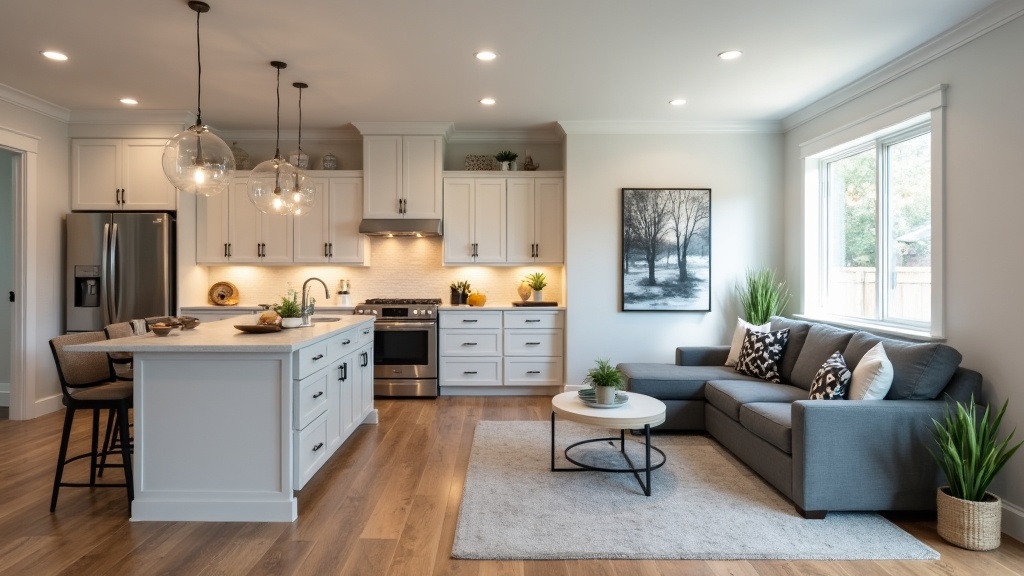
Looking at whole-home portfolio photos and wondering whether the remodel really feels cohesive? The honest answer is to look for the design thread between rooms.
A whole-home remodel should not feel like a new kitchen, a separate bathroom, and a finished basement that all came from different houses. Flooring, trim, lighting, paint, hardware, cabinetry, and proportions should speak the same language.
Here’s why this matters. When the project touches more than one room, the small decisions multiply. Without a clear scope, the house can end up looking updated but disconnected.
Why whole-home portfolios are different
Whole-home portfolios are different because they show how decisions repeat. You are not just studying one island, one shower, or one built-in. You are studying how the home works as a whole.
Look at sightlines from one space into another. Does the flooring transition make sense? Do cabinet colors fight nearby trim? Does lighting feel similar from room to room? Does the style support the architecture of the home?
What this means for you: judge the project by cohesion, not by a single favorite photo.
If a decision affects layout, storage, lighting, waterproofing, comfort, trim, or daily use, I want it in the scope before construction starts. That is how you keep the project clear and avoid surprises.
The design thread: floors, trim, lighting, and finishes
The design thread often shows up in floors, trim, lighting, and finishes. If those items are coordinated, the home feels calmer. If they are mixed without a plan, the remodel can feel patched together.
Trim profiles matter more than most homeowners expect. Baseboards, casing, crown, built-ins, cabinet panels, and stair details all affect whether old and new work feel connected.
Lighting temperature matters too. A warm kitchen next to a cold hallway can make the remodel feel off even if each fixture is expensive.
How kitchens, baths, and basements should connect
Kitchens, baths, and basements do not need to match exactly, but they should relate. Cabinetry can differ, tile can vary, and hardware can shift, but the choices should feel intentional.
A primary bath may be quieter and more detailed than a basement bath. A basement can be warmer and more casual than the main level. The point is not sameness. The point is design discipline.
I’d recommend choosing a few anchor decisions early: floor tone, trim language, hardware family, lighting warmth, and the level of detail the home can carry.
Signs of careful phasing
Phasing can protect a budget, but it can also break the design if each phase is planned separately. Whole-home planning should include a finish schedule and sequence even if construction happens over time.
Careful phasing means today’s kitchen decision does not create tomorrow’s flooring problem. It also means electrical, plumbing, trim, paint, and cabinet choices are documented so later work can connect cleanly.
In Davis and Weber County homes, this is especially useful when families want to remodel while still living in the house. Sequence matters.
Questions to ask before a whole-home remodel
Ask what rooms are included, what rooms are affected, and what systems may be touched. Ask how finishes will be documented and how changes will be handled.
Ask whether the project should be phased or completed together. Ask where the design thread starts and where it stops. These are practical questions, not design fluff.
The goal is a home that feels like it was planned step by step, not pieced together by urgency.
Questions homeowners ask before they decide
How should I use whole-home remodel portfolio Utah examples before calling?
Save the photos that match a real problem in your home, then write down what you like about layout, storage, lighting, materials, or transitions. That makes the design consult more useful.
What can portfolio photos not show?
Photos usually cannot show waterproofing, HVAC balance, wiring, framing corrections, moisture checks, or the full sequence that happened before finish work.
Should I choose style or scope first?
Start with scope. Style matters, but the room has to work for your real daily routines before finish selections can do their job.
How many inspiration photos should I bring?
A small set of focused examples is better than a huge folder. Bring a few photos and notes about what you like, what you do not like, and what problem each example helps explain.
When should I request a design consult?
Request one when you are ready to connect inspiration to your actual home, existing conditions, budget expectations, and timeline questions.
Ready to talk through scope and timeline?
Ready to talk through scope and timeline? A design consult is the right first step. We’ll walk through how your home is used, what the layout can support, which details need verification, and how to protect the project from surprise changes.
Planning note: Remodel scope, permits, inspection requirements, and existing conditions vary by city and home. Use this article as a practical starting point, then verify project details through your local jurisdiction and a qualified contractor before construction begins.