

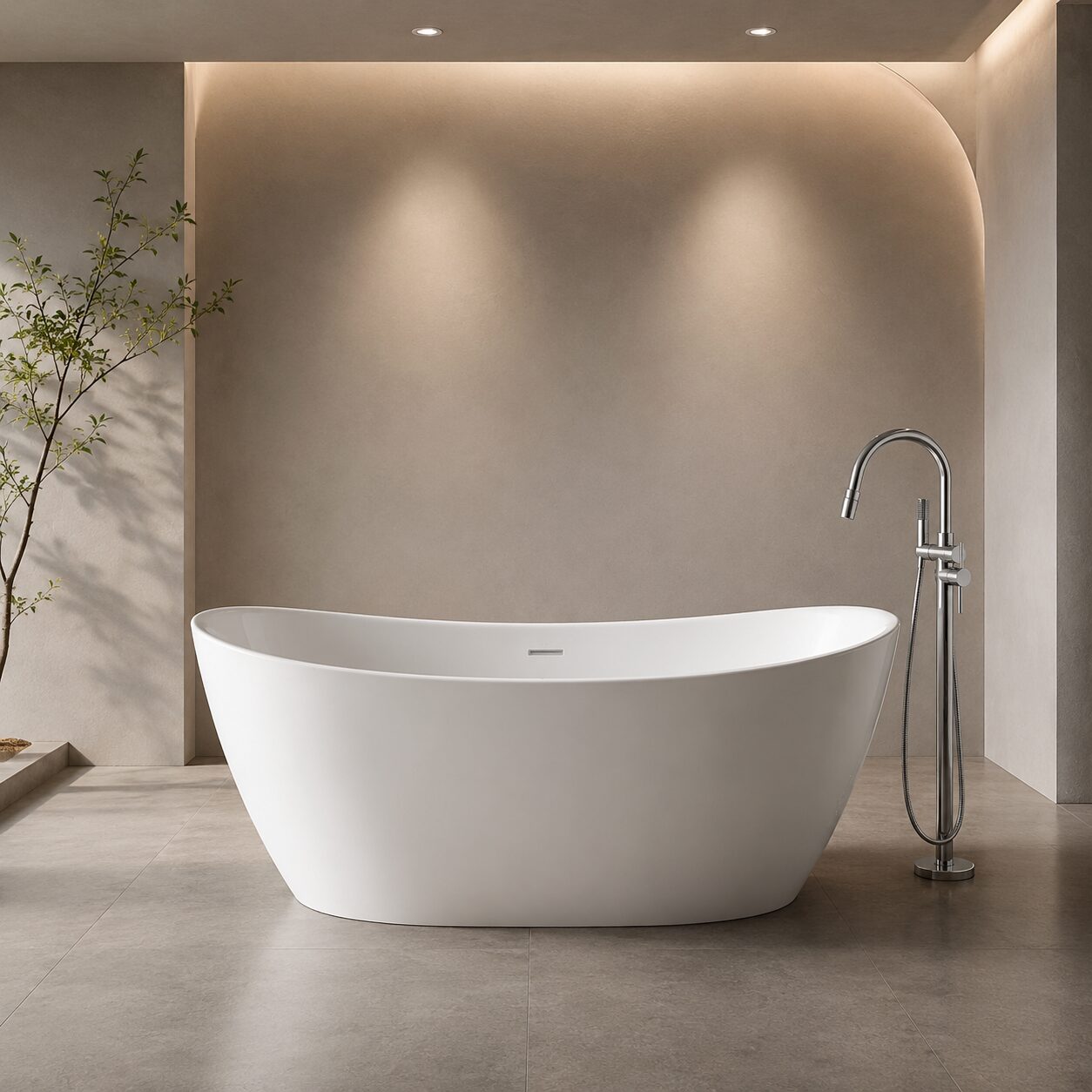
Do You Still Need a Tub? How Utah Families Are Choosing Shower vs. Soaking Spaces
A practical way to decide whether your Utah bathroom still needs a tub, should shift toward a larger shower, or needs a better balance of both.
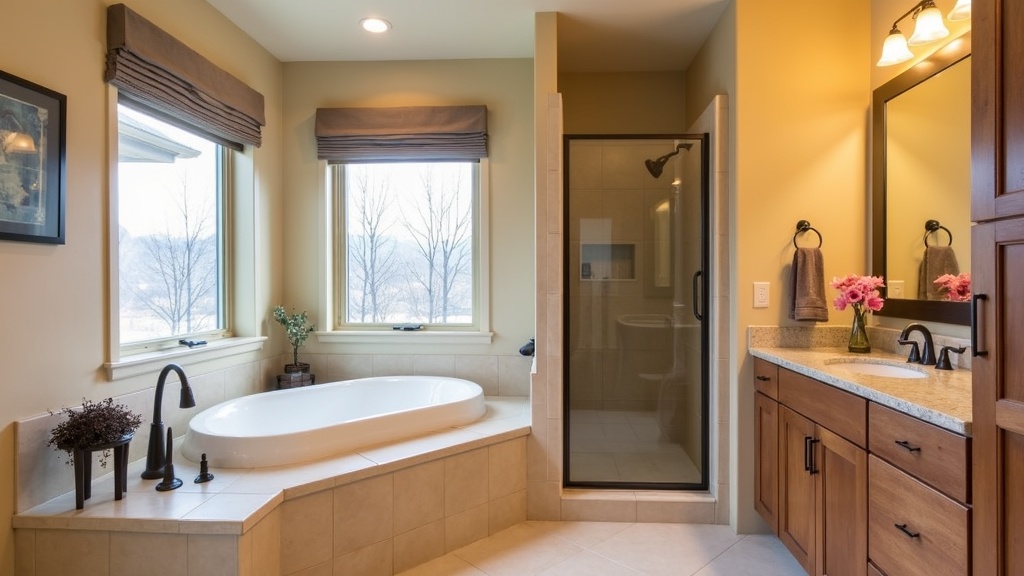
Trying to decide between keeping a tub and building a larger shower? The honest answer is that a bathtub vs shower remodel in Utah is not a style question first. It is a daily-use question. If the tub gets used every week, it may still deserve space. If it has become a dust collector that crowds the room, a better shower may serve your home more honestly.
I see this a lot in Davis County and Weber County primary bathrooms. A homeowner wants a calmer, more useful room, but the old oversized tub is taking up the best wall, squeezing the shower, and making the whole bathroom harder to clean. Other families still need a place to bathe kids, soak after long days, or keep the home flexible for future buyers.
Here’s what I’d recommend: decide how the room needs to work before you fall in love with a freestanding tub, a curbless shower, or a spa-style photo. Function-first planning gives you a clear scope before demo, and it keeps the project from turning into a series of expensive midstream decisions.
Why the tub question is not one-size-fits-all
The tub question gets oversimplified. Some people hear that tubs are out. Others hear that every home needs at least one. Real homes are more specific than that.
A family in Layton with young kids has a different need than empty nesters in Farmington who use the primary bath every morning but never soak. A Kaysville home with three bathrooms has more flexibility than a smaller older home where one bathroom has to carry the whole household.
What this means for you is simple: do not start with “tub or no tub.” Start with the room’s job. Is this bathroom for fast weekday routines? Aging-in-place comfort? Kids? Guests? A quieter primary suite? Once you answer that, the tub decision gets easier.
If a feature does not earn its footprint, it makes the whole room work harder. I’d rather give you a bathroom that works every day than one that looks good on paper and frustrates you every morning.
When a tub still earns its footprint
A tub still makes sense when it solves a real need. That may sound obvious, but this is where many bathroom remodels go wrong. Homeowners keep a tub because it has always been there, not because it is still useful.
You have small children or visiting grandkids
Bathing young kids in a shower is possible, but it is not always practical. If the home has no other comfortable tub, keeping one can make daily life easier.
You actually soak
If you use the tub often, say that early. A soaking tub remodel can be planned well when the space supports it, the plumbing makes sense, and cleaning access is not an afterthought.
The bathroom has enough room
A tub works better when it does not steal clearance from the shower, vanity, toilet area, or storage. If it causes every other zone to feel tight, it may be too expensive in square footage.
You want flexibility for future use
Keeping one tub somewhere in the home can preserve flexibility. That does not mean every bathroom needs one, but it is worth discussing before you remove the only tub.
A good tub plan also includes practical details: faucet access, drain location, cleaning space around the tub, nearby storage for towels, and safe movement when floors are wet. Those decisions matter as much as the tub style.
When a larger shower is the better move
A larger shower is often the better move when the old tub is unused and the existing shower is too small. This is common in primary bath remodels where the original layout gave a big platform tub a lot of room and left the shower feeling like an afterthought.
A walk-in shower can make the room easier to use, easier to clean, and more comfortable for aging knees. But it has to be designed properly. The threshold, drain location, glass, waterproofing, bench, niche, and shower controls all affect the finished experience.
If you are comparing walk-in shower options, I’d look at the way you move through the room first. Where do you step in? Where does the door swing? Can you reach the controls without standing under cold water? Is there a dry place for towels? Those small choices decide whether the shower feels calm or awkward.
Better daily access
A larger shower can reduce awkward stepping, tight turns, and cramped glass doors.
Cleaner layout
Removing an unused tub may free up wall space for a wider shower, better vanity spacing, or storage.
Future comfort
Low-threshold or curbless planning can make the bathroom easier to use later, if the structure supports it.
Less wasted space
If the tub only collects laundry and dust, it may not deserve the best footprint in the room.
Spa upgrades that do not overcomplicate the room
A bathroom can feel more comfortable without becoming overbuilt. In fact, the best bathroom spa upgrades are usually the ones that improve daily routines without creating maintenance headaches.
That may mean warmer lighting, a better shower valve, a bench that is actually placed where you use it, a handheld shower head, a quiet fan, or tile that dries well. It might also mean a soaking tub, but only if the room can support it without forcing bad clearances elsewhere.
Before you commit, think through cleaning, water control, and access. A beautiful tub tucked too close to a wall can be hard to clean. A shower with too much glass can look clean in a photo and become frustrating in real life. A niche in the wrong wall can collect water instead of staying useful.
This is where tile and waterproofing, fixtures and lighting, and ventilation planning all tie together. The finish is only as good as the system behind it.
How to decide before demo
Before demo, I’d want clear answers to a few questions. Not perfect answers, but honest ones. Those answers shape plumbing, framing, waterproofing, electrical, tile layout, and the real scope.
- Is there another tub in the home, and does it work well?
- Who uses this bathroom every day, and what part of the current layout slows them down?
- Does the tub get used enough to justify its space?
- Would a larger shower improve safety, cleaning, or comfort?
- Can the existing plumbing location support the new plan, or are we moving supply and drain lines?
- Will the new layout create better storage, lighting, and ventilation?
When those decisions are made early, the remodel has fewer surprises. When they are pushed until after demo, the project starts guessing. I would rather map the scope, timeline, and budget before anyone starts tearing into your home.
Questions homeowners ask before they decide
Should I remove the only tub in my Utah home?
I would be careful. Removing the only tub can make sense for some households, but families with kids, guests, or future resale concerns may want at least one usable tub somewhere in the home. Decide based on your actual home, not a trend.
Is a walk-in shower better than a tub for a primary bath?
Often, yes, if the tub is unused and the shower is cramped. A larger shower can improve daily routines, but it needs good waterproofing, drainage, glass planning, and safe access.
Can I add both a soaking tub and a walk-in shower?
Yes, if the room has enough space. The question is whether both features can fit without squeezing clearances, storage, ventilation, or cleaning access.
What should I decide before a bathroom design consult?
Decide who uses the room, whether the tub is actually used, what bothers you about the current shower, and whether you want comfort, resale flexibility, aging-in-place access, or easier cleaning to drive the scope.
Ready to talk through tub, shower, and scope before demo?
A design consult is the right first step. We’ll walk through how your bathroom is used, what the layout can support, and what needs to happen before plumbing, waterproofing, and tile are locked.
Planning note: Remodel scope, permits, inspection requirements, and existing conditions vary by city and home. Use this article as a practical starting point, then verify project details through your local jurisdiction and a qualified contractor before construction begins.