


Bathroom Moisture Control: The Remodel Detail Homeowners Notice Too Late
A build-first look at fan placement, exhaust routing, waterproofing, and drying patterns before new tile and fixtures cover the details that matter most.
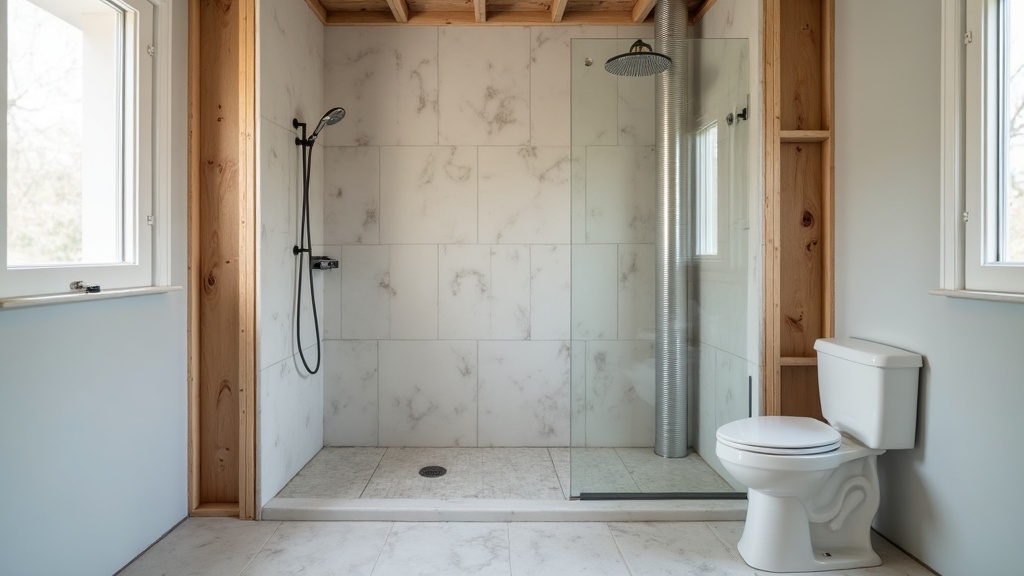
Worried about steam, peeling paint, musty smells, or shower moisture problems after a bathroom remodel? The honest answer is that bathroom moisture control in Utah has to be planned before the room looks finished. Once the tile is up and the fan is installed, the important decisions are already behind the wall or above the ceiling.
In Davis County and Weber County homes, I pay close attention to fan location, duct routing, shower waterproofing, wall materials, glass layout, and how air moves through the room. A bathroom can look clean on day one and still fail quietly if moisture has nowhere to go.
Here’s why this matters: moisture does not usually cause one dramatic problem right away. It collects in corners, behind tile, above ceilings, around trim, and inside paint layers. A clear scope keeps those details from being rushed.
Why moisture details fail quietly
Moisture failures rarely announce themselves during the final walkthrough. They show up months later as swollen trim, staining, loose caulk, fogged mirrors, or a bathroom that never feels dry.
The mistake is treating moisture control like one product. It is not just a fan. It is not just waterproof tile. It is a system: ventilation, waterproofing, slope, grout, glass, paint, and room layout all have to work together.
If the room dries well, the finishes have a much better chance of lasting. I’d rather solve moisture with planning than cover it with prettier tile.
Fan, duct, and exhaust planning basics
A bathroom fan has three jobs: pull humid air from the right area, move it through a proper duct path, and exhaust it outside. If one of those three pieces is wrong, the fan may make noise without doing much work.
Placement matters
Fans should be located where steam gathers, often near the shower, while still following fixture, framing, and electrical constraints.
Duct routing matters
Long, crushed, or poorly routed ducting can reduce performance and create condensation issues.
Controls matter
Timer switches, humidity controls, or separate fan controls can make the fan more likely to be used correctly.
Code checks matter
Ventilation requirements should be verified with the local jurisdiction before the scope is final.
If you are already planning fixtures and lighting, this is the right time to coordinate fan controls too.
Shower waterproofing versus surface tile
Tile gets the attention, but the waterproofing system behind it does the important work. Grout, even when sealed, should not be treated as the waterproof layer.
A durable shower depends on the right backing, waterproofing membrane or system, properly handled seams, drain integration, niche details, curb or threshold planning, and slope. Large-format tile, benches, and niches all raise the stakes because they give water more places to sit if the prep is wrong.
This is why tile and waterproofing should be discussed before tile is ordered. The visible finish has to match the hidden assembly.
Materials that help bathrooms dry faster
Some finishes make a bathroom easier to keep dry. That does not mean every room needs the same tile or paint. It means the selections should match the way the room is used.
Shower glass layout
Glass should control spray without trapping moisture in awkward corners.
Tile size and grout
Fewer grout lines can help cleaning, but prep and flatness become more important.
Paint and trim choices
Bathroom-rated finishes and thoughtful trim details help surfaces handle humidity better.
Ventilation behavior
Even the best fan needs a homeowner-friendly control plan so it gets used long enough.
What to verify with code and local inspections
Before you rebuild a bathroom, verify ventilation, electrical, plumbing, and inspection requirements for your city or county. Davis County, Weber County, and individual cities may each have their own process for permits and inspections.
I do not recommend guessing here. The earlier we know what must be inspected, what has to be accessible, and what the existing home can support, the cleaner the project becomes.
- Fan exhaust route and termination
- Electrical requirements around wet locations
- Shower waterproofing approach and inspection expectations
- Plumbing changes, valve access, and drain relocation
- Any structural or framing changes tied to the new layout
Questions homeowners ask before they decide
Is tile waterproof by itself?
No. Tile is a finish surface. The waterproofing system behind or under it is what protects the shower assembly.
Where should a bathroom fan go?
Usually near the main steam source, but placement depends on framing, electrical, duct routing, and local code requirements.
Do I need a humidity switch?
It can help, especially in busy bathrooms. A timer or humidity control can keep the fan running long enough after showers.
When should moisture control be planned?
At the beginning, before tile, drywall, fan selection, and shower glass decisions are locked.
Planning a bathroom that needs to stay dry, clean, and built to last?
Ready to talk through scope and timeline? A design consult is the right first step. We’ll walk through ventilation, waterproofing, tile, fixtures, and inspection questions before the remodel starts.
Planning note: Remodel scope, permits, inspection requirements, and existing conditions vary by city and home. Use this article as a practical starting point, then verify project details through your local jurisdiction and a qualified contractor before construction begins.