

Basement Moisture Checks to Do Before You Pick Flooring or Drywall
A calm, practical checklist for checking water paths, slab conditions, window wells, humidity, and material choices before finishing a Utah basement.
Thinking about flooring and drywall for your basement? The honest answer is that those are not the first decisions. In Utah basements, moisture management comes before finish materials because water does not care how nice the room looks when it is done.
I’ve walked plenty of Davis County basements where the homeowner was ready to choose LVP, carpet, paint, and built-ins, but the real question was outside: where does water go during a storm, what happens around the window wells, and are there slab or wall signs we need to understand first?
Here’s what I’d recommend: slow down long enough to check the basement as a system. That does not mean assuming the worst. It means giving your home a clear scope before drywall and flooring hide the clues.
Why moisture checks come before finishes
Basement finishes can hide moisture problems. Drywall, baseboards, carpet, cabinets, and built-ins all make a basement look complete, but they can also trap issues that should have been handled before construction.
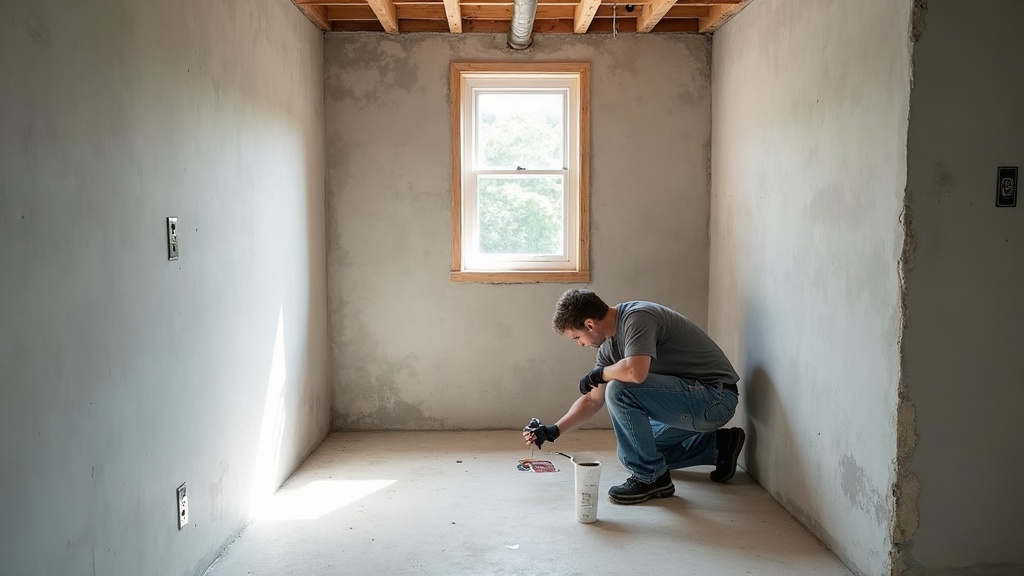
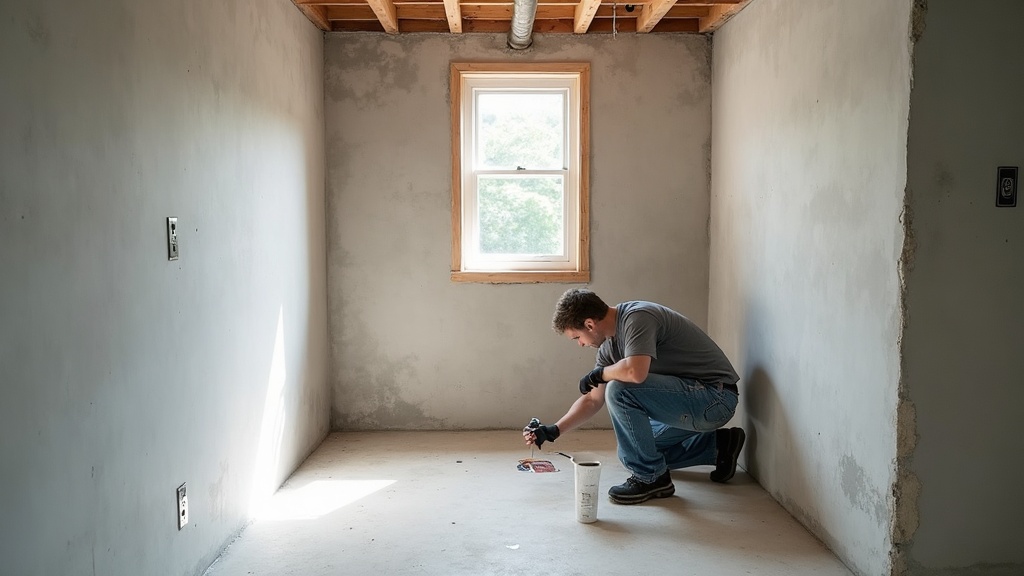
A basement can feel dry one week and still show signs of long-term moisture. Look for staining, mineral deposits, musty smell, efflorescence, swollen trim, rust, soft drywall, and damp corners near window wells or mechanical rooms.
What this means for you is simple: do not choose finishes until you know what the space is telling you. Flooring and drywall should match the basement’s conditions, not just the style you like.
If a decision affects plumbing, framing, electrical, comfort, or daily use, I want it in the scope before construction starts. That is how you protect your home and avoid surprises.
Exterior drainage and window wells
Most basement moisture planning starts outside. Gutters, downspouts, grading, soil slope, patio drainage, sprinkler overspray, and window wells all affect what happens against the foundation.
In Davis and Weber County neighborhoods, I pay close attention to window wells. They need to drain, stay clear of debris, and avoid becoming little collection bowls against the basement wall. If the well has staining, damp soil, or debris buildup, I would want that corrected before finishing the room.
Downspouts should move water away from the foundation, and landscaping should not trap water against the house. These are not glamorous remodel details, but they protect the investment.
Slab, wall, and humidity warning signs
Inside the basement, the concrete slab and foundation walls deserve a careful look. Cracks, damp spots, white mineral residue, musty smells, or previous patching all help tell the story.
Humidity matters too. If a basement feels clammy even when it is clean, the plan may need ventilation, dehumidification, HVAC balancing, or different material choices. A finished basement should feel like part of your home, not a sealed storage room.
Plumbing and mechanical areas also need attention. Water heaters, floor drains, condensate lines, and laundry connections can all create moisture risk. I would rather inspect those now than build a finished wall that has to be opened later.
Flooring and drywall choices in basements
Basement flooring should be chosen with moisture risk in mind. Some products tolerate basement conditions better than others, but no product fixes a drainage problem by itself.
The same is true for drywall and trim. Material selection, bottom clearances, insulation, and air movement matter. If you finish the basement without planning drying potential, small issues can become hidden problems.
Here’s why I push moisture checks early: once flooring goes down and baseboards go on, troubleshooting becomes harder. A clear moisture plan keeps the finished space more durable.
What to document before construction
Before construction starts, document the existing basement with photos and notes. Record any stains, cracks, window well concerns, exterior drainage questions, plumbing locations, mechanical equipment, and humidity issues.
You should also note what was corrected. If gutters were extended, grading changed, drains cleared, or a specialist was brought in, keep that information with the project file.
A finished basement should be built to last. That starts before the pretty finishes, with honest documentation and a practical plan for how the room stays dry.
A simple planning sequence I’d use
For basement moisture management Utah, I would not start with the prettiest finish or the most expensive feature. I would start with the way your home needs to work when the project is done. That gives the design a job before the crew begins opening walls, setting rough-ins, or ordering materials.
In Davis and Weber County homes, the sequence matters because basements, additions, outdoor spaces, and flex rooms all have existing conditions that can shape the final scope. Ceiling height, window locations, drainage, mechanical access, electrical capacity, door swings, stair paths, and storage needs can all change what is realistic.
Define the daily use
Write down who will use the space, when they will use it, what frustrates them now, and what the room needs to handle five years from now. This keeps the plan tied to real life instead of a trend.
Check the existing conditions
Before design gets too far, look at structure, moisture, utilities, framing, access, ventilation, and local permit questions. Those details tell us what the room can support without surprise rework.
Set the scope before selections
Once the function and constraints are clear, then materials, fixtures, cabinetry, lighting, and finish details can be chosen with confidence. That is how you keep the remodel built to last.
That step-by-step order may feel slower at first, but it usually saves time later. A remodel gets stressful when decisions are made out of order. A clear scope gives you a calmer project, a more realistic timeline, and a final walkthrough that matches what you expected.
What I’d verify before the final scope
Before I called the scope final for Basement Moisture Checks to Do Before You Pick Flooring or Drywall, I would verify the practical details that can change the build. That may include permits, inspection path, egress, ventilation, drainage, electrical capacity, structural tie-ins, moisture history, material compatibility, or access to mechanical systems.
This is where no surprises really starts. The design can look clean, but the home still has to be buildable. I would rather pause for the right check than push forward and discover during construction that a wall, window, drain, vent, or electrical run needs to move.
If the project touches code-sensitive areas, rental-style use, sleeping space, plumbing, exterior work, or structural changes, verify those details with the right local building department or qualified specialist. That keeps the plan honest and protects your home before the crew is deep into the work.
Questions homeowners ask before they decide
Can I finish a basement that has had moisture before?
Sometimes, but the source of the moisture needs to be understood and corrected first. Do not cover stains or damp areas with new finishes and hope they behave.
What basement flooring handles moisture best?
The best choice depends on the actual conditions. Durable hard surfaces often make sense, but the bigger issue is whether the slab and drainage are ready for finished materials.
Should I check window wells before finishing?
Yes. Window wells are common moisture trouble spots. Clear debris, check drainage, look for staining, and make sure outside water is not collecting there.
Do I need a specialist before remodeling?
If there are active leaks, recurring dampness, foundation concerns, or mold-like growth, bring in the right specialist before remodeling. A contractor can help identify when that step is needed.
Ready to check basement moisture before finishes hide the clues?
Ready to talk through scope and timeline? A design consult is the right first step. We’ll walk through how your home is used, what the layout can support, what needs to be verified, and how to protect the project from surprise changes.
Planning note: Remodel scope, permits, inspection requirements, and existing conditions vary by city and home. Use this article as a practical starting point, then verify project details through your local jurisdiction and a qualified contractor before construction begins.