

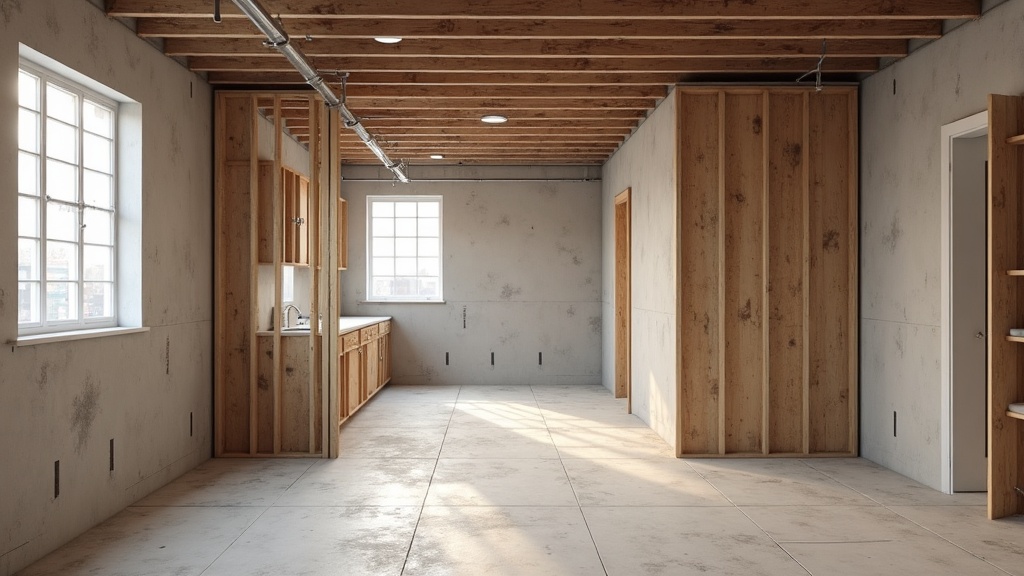
Basement Bathroom or Kitchenette: What to Plan Before Plumbing Rough-In
A practical planning guide for deciding whether your basement needs a powder room, full bath, wet bar, or kitchenette before plumbing rough-in makes changes expensive.
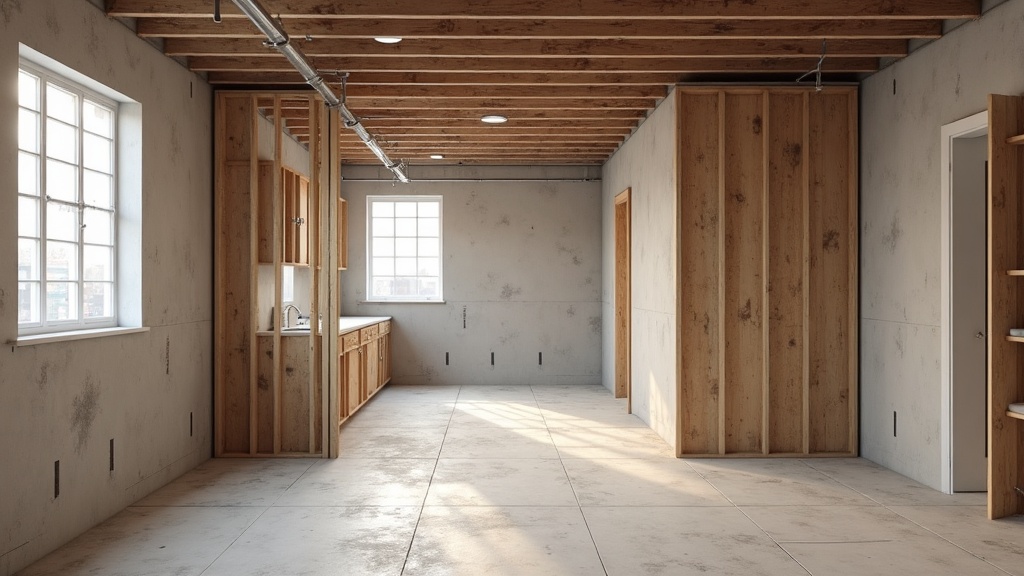
Thinking about adding a basement bathroom or kitchenette? The honest answer is that those decisions need to happen before rough-in, not after you start looking at cabinets, faucets, or tile. Once plumbing, venting, electrical, and framing are set, changing your mind gets slower and more expensive.
I see this a lot in Davis County basements. A homeowner starts with “maybe a wet bar,” then realizes they also want a guest suite, a bathroom, or a small in-law kitchenette. Those are not the same scope. They change drain locations, vent paths, GFCI planning, cabinet depth, countertop runs, and sometimes permits.
Here’s what I’d recommend: decide what the basement is supposed to do, then build the plumbing and electrical plan around that use. That gives you a clear scope, a more realistic timeline, and fewer surprises once the crew is working inside your home.
Why basement plumbing decisions come early
Basement plumbing is not just about where a sink looks good. It is about gravity, venting, drain access, concrete cuts, ceiling height, mechanical rooms, and how everything ties back into the home’s existing system.
A bathroom or kitchenette can add real function to a finished basement, but it can also create rework if the layout is guessed. If the vanity, toilet, shower, bar sink, or kitchenette sink moves after rough-in, you may be opening concrete, reframing walls, and revisiting inspections.
What this means for you is simple: settle the purpose first. If this is a family hangout, a wet bar may be enough. If guests will sleep downstairs, a bathroom matters more. If a parent or adult child may use the space long-term, you need to talk through privacy, storage, food prep, and local rules before calling it an apartment.
If a decision affects plumbing, framing, electrical, comfort, or daily use, I want it in the scope before construction starts. That is how you protect your home and avoid surprises.
Powder room, full bath, wet bar, or kitchenette
A powder room is usually the simplest useful addition: toilet, vanity, ventilation, lighting, and storage. It works well near a game room or theater where people need convenience but not a full bathing setup.
A full bath adds more value to daily use, but it also adds more decisions. Shower size, waterproofing, fan routing, floor slope, tile, fixtures, and towel storage all need to be planned before framing and rough-ins are locked.
A wet bar or beverage station is different from a kitchenette. A wet bar may need a sink, undercounter fridge, durable counter, and outlets. A kitchenette may involve more appliances, more cabinetry, more ventilation questions, and more local-use considerations. I’d be careful with the language here because building officials may treat these differently depending on city and intended use.
Drainage, venting, electrical, and appliance questions
Before rough-in, I want to know what drains are needed, where venting can run, what walls can carry plumbing, and how the ceiling will hide or expose those runs. A neat plan on paper can turn into a difficult build if it ignores structure and mechanical access.
Electrical matters just as much. GFCI protection, dedicated circuits, appliance loads, lighting, switches, and outlets around counters all need early coordination. You do not want the cabinets ordered before the appliance sizes and outlet locations are confirmed.
In Kaysville, Layton, Farmington, and nearby areas, I’d also verify permit and inspection expectations before the plan gets too far. A small sink and a full kitchenette are not always treated the same. The safe move is to ask early, document the plan, and build to what the project is actually allowed to be.
Storage and countertop planning
A basement bathroom or kitchenette that has plumbing but no storage will frustrate you. Towels, cleaning supplies, paper goods, small appliances, trash, snacks, and serving items all need a place to live.
Countertop space is another real-life layout detail. A bar sink with no landing space is awkward. A kitchenette with a microwave but no prep surface feels half-finished. A bathroom vanity that is too small may save a few inches and cost you comfort every day.
Here’s what I’d recommend: mark the wall widths, cabinet depths, appliance openings, door swings, and walking paths before rough-in. A real-life layout test helps you see whether the space will work before plumbing makes the plan harder to change.
What to verify with local building officials
Before construction starts, verify permits, inspections, electrical rules, ventilation requirements, and any limits on what the basement space can legally be called or used for. This is especially important if you are thinking about rental use or a basement apartment.
You should also verify egress if the project includes sleeping space, and you should keep mechanical access clear. A beautiful kitchenette is not worth blocking access to shutoffs, cleanouts, panels, or equipment that may need service later.
The goal is not to make the process scary. The goal is no surprises. When we map plumbing, electrical, ventilation, cabinets, and permits step by step, your basement has a better chance of being comfortable, code-aware, and built to last.
A simple planning sequence I’d use
For basement bathroom kitchenette Utah, I would not start with the prettiest finish or the most expensive feature. I would start with the way your home needs to work when the project is done. That gives the design a job before the crew begins opening walls, setting rough-ins, or ordering materials.
In Davis and Weber County homes, the sequence matters because basements, additions, outdoor spaces, and flex rooms all have existing conditions that can shape the final scope. Ceiling height, window locations, drainage, mechanical access, electrical capacity, door swings, stair paths, and storage needs can all change what is realistic.
Define the daily use
Write down who will use the space, when they will use it, what frustrates them now, and what the room needs to handle five years from now. This keeps the plan tied to real life instead of a trend.
Check the existing conditions
Before design gets too far, look at structure, moisture, utilities, framing, access, ventilation, and local permit questions. Those details tell us what the room can support without surprise rework.
Set the scope before selections
Once the function and constraints are clear, then materials, fixtures, cabinetry, lighting, and finish details can be chosen with confidence. That is how you keep the remodel built to last.
That step-by-step order may feel slower at first, but it usually saves time later. A remodel gets stressful when decisions are made out of order. A clear scope gives you a calmer project, a more realistic timeline, and a final walkthrough that matches what you expected.
What I’d verify before the final scope
Before I called the scope final for Basement Bathroom or Kitchenette: What to Plan Before Plumbing Rough-In, I would verify the practical details that can change the build. That may include permits, inspection path, egress, ventilation, drainage, electrical capacity, structural tie-ins, moisture history, material compatibility, or access to mechanical systems.
This is where no surprises really starts. The design can look clean, but the home still has to be buildable. I would rather pause for the right check than push forward and discover during construction that a wall, window, drain, vent, or electrical run needs to move.
If the project touches code-sensitive areas, rental-style use, sleeping space, plumbing, exterior work, or structural changes, verify those details with the right local building department or qualified specialist. That keeps the plan honest and protects your home before the crew is deep into the work.
Questions homeowners ask before they decide
Do I need to decide between a wet bar and kitchenette before rough-in?
Yes. A wet bar and kitchenette can require different plumbing, electrical, ventilation, appliance, and permit considerations. Decide the use before rough-in so the crew is not guessing later.
Can I add a basement bathroom where there is no existing rough-in?
Sometimes, but it depends on drain location, slab conditions, ceiling height, venting routes, and budget. I would inspect the existing conditions before promising a layout.
Should a basement guest suite have a full bath?
If guests or family will stay downstairs often, a full bath usually makes the space work better. The key is planning waterproofing, fan routing, storage, and clear access before framing.
What should I ask before adding a kitchenette?
Ask what appliances you really need, whether the space is for snacks or daily cooking, where plumbing can run, what local rules apply, and how storage and countertop space will work.
Ready to talk through basement plumbing, bath, or kitchenette scope before rough-in?
Ready to talk through scope and timeline? A design consult is the right first step. We’ll walk through how your home is used, what the layout can support, what needs to be verified, and how to protect the project from surprise changes.
Planning note: Remodel scope, permits, inspection requirements, and existing conditions vary by city and home. Use this article as a practical starting point, then verify project details through your local jurisdiction and a qualified contractor before construction begins.