

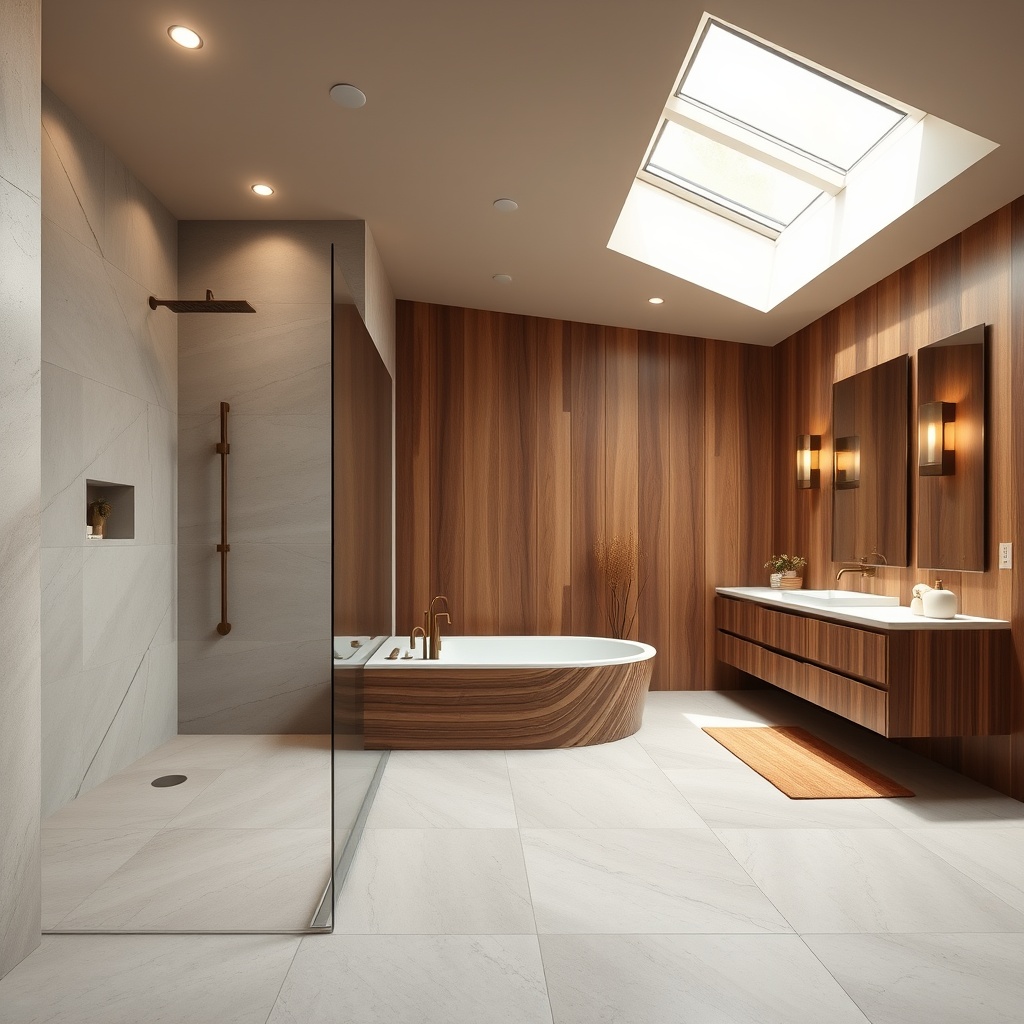
Utah’s remodeling landscape is experiencing a profound transformation, especially in bathroom design and renovation. No longer defined by utilitarian upgrades or flashy surfaces, today’s bathroom remodels reflect broader currents in wellness, sustainability, and future-proof living. For both homeowners and industry professionals, the stakes have shifted: a bathroom project is now a strategic investment in daily comfort, property value, and long-term adaptability.
This analysis unpacks why these trends matter now, using market intelligence and behavioral signals collected from Utah and the national design industry. By investigating not just what’s changing, but why and how—this briefing equips homeowners, designers, and remodelers with actionable insights for smart decision-making in 2026 and beyond.
1. Market Signals Shaping This Topic
Recent years have seen a migration away from cold minimalism and clinical utility. Utah homeowners are signaling strong demand for spa-inspired, wellness-focused bathroom environments. Sales data and project requests now emphasize large, curbless walk-in showers, deep soaking tubs (especially in primary suites), and customizable, layered lighting plans. Warm earth tones and organic textures—wood vanities, stone finishes, matte black and brass fixtures—are displacing high-gloss and monochrome palettes.
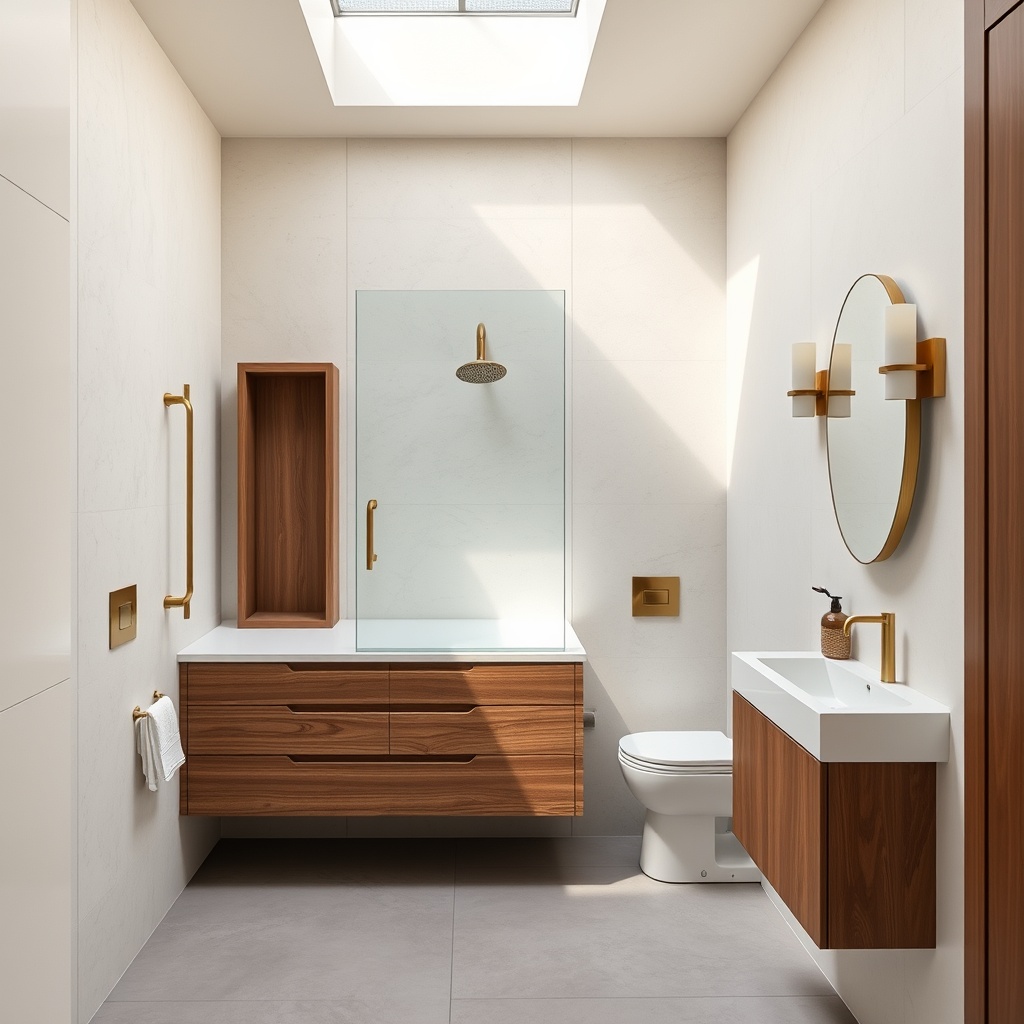
The structural meaning behind these signals is profound: bathrooms are being reframed as personal retreats, not merely functional spaces. This realignment influences preferred products, layouts, and required expertise. Builders and designers are responding by foregrounding comfort, emotional wellness, and long-term adaptability during project planning—integrating concepts once reserved for luxury spas or hospitality settings.
For homeowners, this translates into increased attention on not just visual appeal, but also daily rituals, self-care, and the demands of evolving lifestyles. The market is rewarding specifications and craftsmanship that promise durability, ease of maintenance, and future accessibility—raising the bar for both material standards and technical execution.
2. Why These Patterns Are Emerging
The shift to experiential, restorative bathroom spaces is rooted in both external trends and internal homeowner drivers. National design research and Utah-specific project tracking reveal that wellness and anxiety reduction are now central motivators. The rise of ‘stealth wealth’—premium, understated materials projecting quiet luxury rather than overt opulence—captures the zeitgeist. These are not just fleeting style trends; they reflect deeper consumer desires for calm, authenticity, and rooms that age gracefully alongside their users.
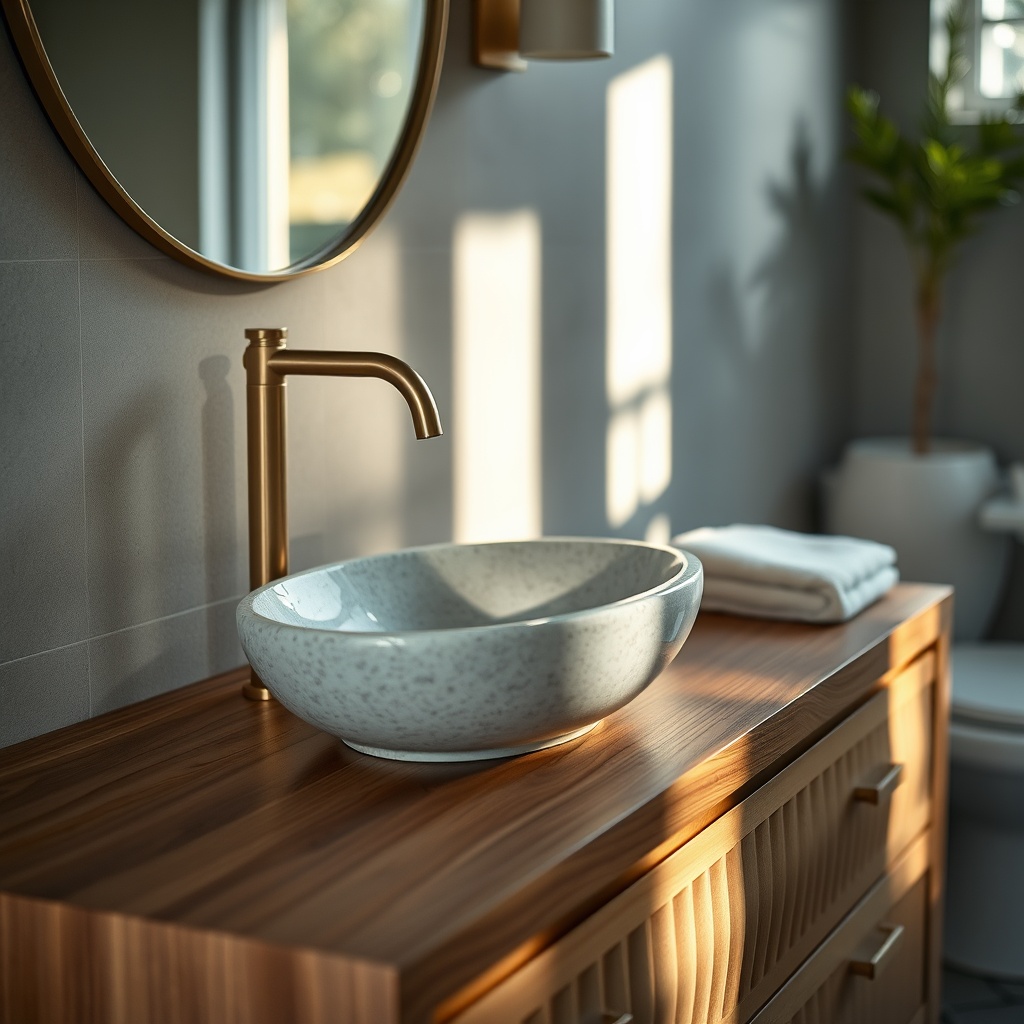
Strategically, this evolution impacts the way projects are scoped and sold. Homeowners no longer accept builder-basic fixtures or one-size-fits-all layouts. Instead, remodelers and product brands are positioning themselves as partners in personal transformation, emphasizing custom solutions and long-term value. This also means that design planning, code compliance, and cost transparency have become central to the homeowner-contractor relationship.
Operationally, the result is more complex project management—balancing high-touch surface work (like curbless tile, fluted wood vanities, or seamless microcement) with behind-the-scenes technical competence (proper waterproofing, advanced ventilation, and accessibility upgrades). Mistakes at this intersection can be costly, and experienced teams are leveraging their bathroom expertise as a structural differentiator.
Homeowners increasingly view their bathrooms not as temporary style zones, but as investments in health, comfort, and resilience. The projects that endure are those that honor both emotional aspirations and technical best practices—elevating functional rooms into meaningful personal sanctuaries.
3. Traditional Approaches vs Emerging Approaches
The divide between yesterday’s methods and tomorrow’s standards is widening. Legacy remodels often emphasized surface updates—swapping out fixtures, painting cabinets, or installing generic tiles for a ‘fresh’ look. While this approach delivered short-term visual payoffs, it often overlooked ventilation, waterproofing, aging-in-place planning, and material longevity.
Emerging approaches—particularly in Utah’s evolving market—demand integrated solutions. Projects today feature advanced tile systems (including large formats with minimal grout for superior hygiene), designer lighting, and storage innovation, alongside premium yet practical materials like engineered quartz. Importantly, barrier-free layouts and ADA-compatible elements are being adopted by all ages, not only those with immediate mobility needs. This signals a blending of aesthetic and functional longevity, especially as building codes tighten accessibility and ventilation standards for 2025/2026.
The following table delineates several of the key shifts reshaping owner expectations and industry delivery:
Shift |
Legacy Model |
Emerging Model |
Homeowner Impact |
|---|---|---|---|
Design Priority |
Visual refresh, neutral palettes |
Wellness, personality, biophilia, warm tones |
Spaces reflect identity, support relaxation |
Material Focus |
Builder-grade fixtures, basic tiles |
Low-maintenance quartz, textured wood, porcelain, fluted vanities |
Durability, easy cleaning, elevated tactile experience |
Layout Strategy |
Standard tubs, raised curbs |
Curbless showers, floating vanities |
Increased accessibility, seamless movement, future-proofing |
Lighting |
Single overhead or vanity light |
Layered lighting, circadian controls, smart mirrors |
Mood adaptation, functional flexibility |
Cost Approach |
Budget as afterthought |
Integrated cost planning, transparent allowances |
More realistic budgeting, reduced “surprise” costs |
Homeowner Role |
Reactive, limited input |
Proactive, co-creative with design team |
Greater satisfaction, less remodel regret |
4. How Homeowners Are Responding
Industry reports and project analyses show homeowners in Utah taking a more investigative, proactive role in their remodels. With increased access to online visual inspiration (and a growing fear of costly mistakes), owners come highly researched—armed with specific material preferences, floor plan goals, and even appliance spec sheets. There’s growing dialogue on balancing aspirational upgrades (heated floors, integrated steam, bespoke tile) against practical budget realities and the realities of construction disruptions.
The video above explores common pain points Utah homeowners share: unexpected costs, moisture surprises during demolition, and the significant role of code-compliant ventilation. It also underscores that design decisions—like open showers or floating vanities—often require early and careful technical coordination, which is where experienced remodelers provide true value. This insight is directly reflected in the services and project planning approach we emphasize at The Fortress Builders.
5. Design or Remodeling Strategies Emerging
Strategic design approaches now balance wellness aesthetics, longevity, and efficient use of space. For example, barrier-free showers not only fulfill ADA requirements but visually expand small Utah bathrooms, making older homes more adaptable. Homeowners and designers are selecting materials that combine tactile warmth (matte finishes, honed stones, fluted wood) with high-performance, stain-resistant surfaces. There is also rising demand for personalized “wow” features: statement tiles, sculptural bathtubs, and thoughtful layered lighting that adapts to grooming, relaxing, or winding down.
This video illustrates how adaptive layouts, curbless wet rooms, and integrated biophilic elements (like greenery and natural light) are intertwined to create restorative environments. The narrative highlights that long-term value often comes from investing in durable construction—such as extensive waterproofing and strategically planned ventilation, featured in our moisture management solutions. These moves are not simply aesthetic; they safeguard against the main driver of post-remodel regret: underestimating technical execution and ongoing maintenance needs.
6. Short-Form Trend Signals
Social media and design influencers are amplifying the move toward personal sanctuary bathrooms with organic minimalism and curated features. Homeowners are gravitating toward tactile, nature-inspired finishes and seamless, open layouts, often using platforms like TikTok and Instagram both for ideation and contractor selection.
TikTok’s popularity around real homeowner reveals demonstrates the power of lived experience. Viewers react strongly to upgrades like radiant floor heating, steam showers, and ingenious storage—prompting greater demand for features that deliver daily luxury without burdensome upkeep. These signals reinforce the industry’s pivot away from disposable trends toward lasting, meaningful improvements.
Homeowner Questions Emerging Around This Topic
- How much does a full or luxury master bathroom remodel cost in Utah—and what drives the budget the most?
- Can established homes be effectively retrofitted with barrier-free showers or spa features on realistic timelines?
- What are the best low-maintenance material choices for a family or high-traffic bathroom?
- How do I balance premium upgrades (tile, lighting, fixtures) with the requirements of evolving building codes?
7. Codes, Compliance, and Critical Execution Details
Updated building codes and Utah-specific amendments are exerting significant influence on bathroom remodel planning. Compliance with revised standards around moisture management, GFCI protection, ADA/ABA-AG accessibility, and high-efficiency ventilation is now non-negotiable. These technical layers raise both design and cost stakes, necessitating early involvement from experienced remodelers who deeply understand the local code environment.
For instance, Texas homeowners often regret overlooking proper ventilation—leading to mold, mildew, and premature material degradation. Forward-looking Utah remodels are now built around rigorous waterproofing (such as advanced tile backer boards and pan systems presented in our tile and waterproofing services) and high-efficiency exhaust fans that exceed code for both cubic feet per minute (cfm) and watt usage. Homeowners who prioritize these elements gain peace of mind and regulatory resilience—even as standards tighten for new construction and major renovations alike.
8. Material and Product Innovation: Implications for 2026
Utah’s taste profile for bathroom products is rapidly evolving—mirrored by supply chain and manufacturer responses. Porcelain tiles have surged to the top for their ability to mimic natural stone while outperforming it in low-maintenance durability. Engineered quartz countertops are now standard not only for their visual appeal, but for their imperviousness to stains and bacterial growth. Stainless steel and matte black fixtures, often paired for visual harmony, are prized for their tactile grip and lasting resilience.
Product innovation is also seen in smart tech: anti-fog mirrors, programmable showers, radiant floor heat with zone controls, and even circadian lighting. Builders who integrate these seamlessly (rather than as retrofitted afterthoughts) deliver bathrooms truly “built to last.” Our service pages on heated floors and fixtures & lighting capture how these choices define homeowner satisfaction over years—not just months past the remodel.
9. Visual Drives: Instagram’s Influence on Taste and Planning
Instagram Reels like the one above celebrate Utah’s distinct “earthy modern” bathroom design. Fluted vanities, organic tiles, natural wood accents, and warm, layered lighting are top-of-mind for local homeowners and remodelers alike. These showcases encourage personalization and curated, storied spaces—a move away from generic, mass-produced looks.
The above Reel highlights a transformative before-and-after reveal—a central narrative for Utah renovation culture. These stories are reshaping the way owners envision their own remodel journey, underscoring the desire for unique, livable luxury.
10. Cost Realities: Budget Ranges and Value Planning
Budget transparency is now foundational to successful bathroom remodels. In Utah for 2026, a cosmetic update may run from $1,500 to $10,000; a full remodel averages $12,000 to $30,000, with luxury primary suites reaching $60,000. Tub-to-shower conversions generally cost between $5,000 and $10,000. However, the true driver of total project cost is not just square footage or fixture selection, but the scope of structural, plumbing, and electrical upgrades—particularly for aging-in-place or modern accessibility features.
Labor costs typically account for 20%–35% of the overall budget. Recommended guidance: allocate 5%–10% of total home value for your primary bath. Equally important, transparent allowance planning for protection against scope creep (unexpected plumbing or moisture issues revealed during demolition, for example) is now standard practice. Remodelers with design-build experience, like kitchen & bath specialists, ensure that budgets are produced in tandem with design—not as last-minute add-ons—preventing the cost overruns that historically tarnished remodel satisfaction.
11. Forward Outlook: Where Bathroom Remodeling Is Heading Next
Three main trajectories will define Utah’s remodel landscape through 2026 and beyond:
- Biophilic and Health-Oriented Design: Integration of living greenery, natural daylight, and steam/sauna capabilities is shifting baths into daily wellness hubs for every demographic.
- Sustainable, Durable Material Choices: As environmental awareness grows, low-VOC finishes, high-quality tilework, and water-efficient fixtures will become baseline expectations, not luxury upgrades.
- Future-Proofing for Every Age and Need: Builders and owners will standardize ADA-style features—curbless entries, grab bar reinforcement, adjustable vanities—providing lifetime adaptability and avoiding future remodels prompted by evolving mobility.
The enduring winners in this market will be remodelers who combine visionary wellness design, code mastery, and transparent project management, as modeled in our approach from bath planning through space planning to final finish. For homeowners, successful projects will be measured not by visual impact alone, but by how these sanctuaries enable daily restoration, simplify maintenance, and deliver unwavering value across the decades.
This content is informed by the experience of Troy Lybbert, Founder of Fortress Builders. As a licensed general contractor since 1998, Troy brings over two decades of hands-on residential construction experience in remodeling and custom home building throughout Northern Utah.