

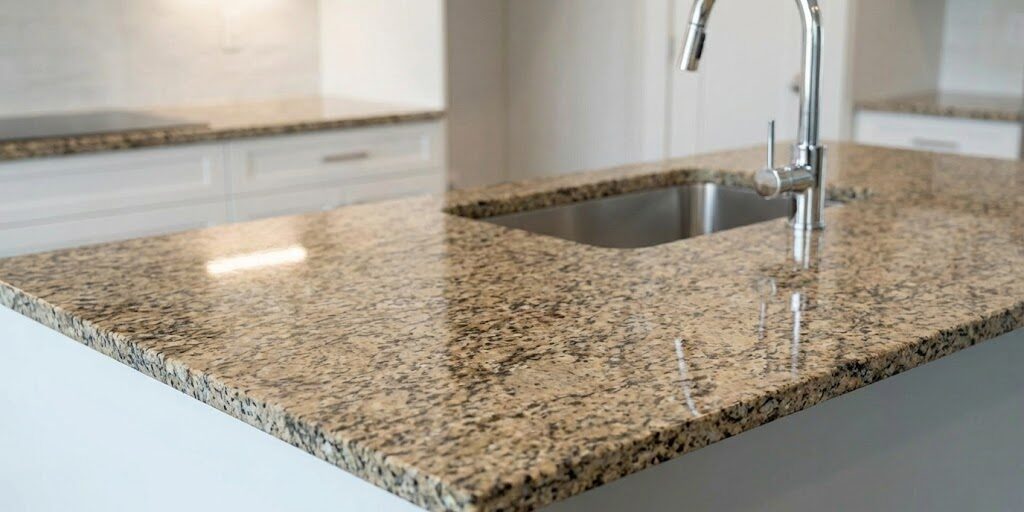
Countertops get used more than almost any other surface in your home. They handle hot pans, sharp knives, sticky spills, school projects, and the day-to-day chaos of real life. The best countertop choice is rarely “what looks nicest online.” It’s what matches how you cook, clean, host, and live.
This guide compares quartz, granite, and porcelain across the factors that matter most: durability, heat tolerance, staining, maintenance, seams, and long-term appearance. You’ll also get a quick chooser at the end to help narrow your decision.
For broader kitchen planning (cabinets + counters as a system), see Cabinets and Countertops and the full sequence in Kitchen Remodel Planning Checklist for Utah Homeowners.
The Real Question Isn’t “Best.” It’s “Best for Your Kitchen.”
Quartz, granite, and porcelain can all be excellent countertop materials. But they win for different reasons:
- Quartz: consistent look + low-maintenance everyday use
- Granite: natural stone character + strong heat resistance
- Porcelain: extremely hard surface + great heat/UV performance (when installed correctly)
The right choice depends on your priorities: how much you cook, how you treat hot items, how much maintenance you’ll realistically do, and what aesthetic you want for the next 10–20 years.
Quick Comparison: Quartz vs. Granite vs. Porcelain
If you want the fast answer before we go deep, here’s the homeowner-friendly snapshot.
|
Quartz
Best for: low-maintenance kitchens, consistent patterns, busy households.
Watch-outs: heat sensitivity (hot pans can damage), seams depend on slab size/pattern. |
|
Granite
Best for: natural stone lovers, high heat tolerance, unique one-of-a-kind slabs.
Watch-outs: sealing (varies by stone), natural variation, some stones stain more easily. |
|
Porcelain
Best for: heat/UV exposure, ultra-hard surfaces, modern looks (including marble-look).
Watch-outs: fabrication/installation quality matters a lot; edges require careful detailing. |
Quartz Countertops: The Low-Maintenance Favorite
Quartz countertops are engineered stone—typically made from natural quartz particles combined with resins and pigments. That engineered process creates consistent patterns and a non-porous surface.
How quartz holds up in real life
- Stain resistance: strong, because the surface is generally non-porous
- Scratch resistance: very good for daily use (still use cutting boards)
- Heat resistance: the most common weakness—direct hot pans can scorch or crack resin
- Maintenance: typically simple (soap + water, gentle cleaners)
Quartz is a great choice if you want:
- A countertop that doesn’t require periodic sealing
- Consistent color and pattern
- A surface that stays visually “clean” in a busy kitchen
- Modern design options (including bright whites and subtle veining)
Quartz “watch-outs” (the honest part)
- Heat is the big one: Use trivets and don’t place hot pans directly on quartz.
- UV exposure: Some quartz can discolor in strong sunlight over time; talk to your supplier if you have large south-facing windows.
- Dark colors show dust: Not a flaw—just real life.
Quartz can be extremely durable in daily use, but it performs best when you treat it like a finished surface—not a hot pan landing pad.
Granite Countertops: Natural Beauty + Heat Confidence
Granite is a natural stone, cut into slabs. It’s popular because it’s genuinely one-of-a-kind—no two slabs are identical—and it handles heat well.
How granite holds up in real life
- Heat resistance: typically very good (still avoid thermal shock when possible)
- Scratch resistance: generally good, but depends on the stone
- Staining: varies by stone; some granites are more porous than others
- Maintenance: may require sealing depending on the specific granite
Granite is a great choice if you want:
- Natural variation and depth that doesn’t look “printed”
- Strong heat performance for cooking-heavy households
- A surface that can age beautifully with the right care
Granite “watch-outs” (the honest part)
- Not all granite is equally porous: some stones absorb more and need sealing more regularly.
- Natural movement: variation is the point, but it can surprise homeowners who expect uniformity.
- Seams: seams are sometimes more visible in heavily patterned slabs.
Granite can be a “set it and forget it” surface for some homes—but for others it’s a natural material that benefits from a little basic care.
Porcelain Countertops: Hard, Heat-Friendly, and Design-Forward
Porcelain slabs are made from refined clays and minerals fired at very high temperatures. They’re often thinner than stone and can be produced with marble-like looks, concrete looks, and ultra-modern finishes.
How porcelain holds up in real life
- Heat resistance: excellent (hot pans are less risky than on quartz)
- Scratch resistance: very strong surface hardness
- Staining: generally strong resistance, depending on finish and installation
- UV exposure: typically performs well, making it popular in sunny spaces
Porcelain is a great choice if you want:
- High heat tolerance and strong surface hardness
- Large-format, modern aesthetics (including marble-look without stone maintenance)
- A material that handles bright light well (confirm specifics with your supplier)
Porcelain “watch-outs” (the honest part)
- Fabrication quality matters: porcelain requires experienced handling to avoid chips during cutting/transport.
- Edge details are key: because slabs can be thinner, edge build-ups or mitered edges are common for a “thicker” look.
- Impact risk: hard materials can chip on edges if hit with heavy cookware.
Porcelain performs best when the fabricator and installer are experienced with porcelain slab work.
Durability Breakdown: Stains, Scratches, and Heat
“Durable” means different things to different households. Here’s a practical way to think about it.
|
Stain Resistance
Quartz: typically excellent (non-porous).
Granite: varies by slab; sealing can help. Porcelain: generally strong, depends on finish and fabrication details. |
|
Scratch Resistance
Quartz: very good for daily use, but use cutting boards.
Granite: generally good; some stones can scratch more than expected. Porcelain: typically very strong surface hardness. |
|
Heat Resistance
Quartz: most sensitive—avoid direct hot pans.
Granite: strong heat tolerance (still avoid extreme thermal shock). Porcelain: typically excellent heat performance. |
Maintenance Expectations: What You’ll Actually Do
A countertop should match the maintenance level you’ll realistically keep up with. If your life is busy, choose the material that stays looking good with minimal effort.
Usually the easiest: daily wipe-down, avoid harsh chemicals, protect from high heat.
May require periodic sealing depending on the stone; otherwise simple cleaning.
Generally low-maintenance, but edge protection and careful fabrication matter.
Edges, Seams, and Layout: The Details That Change the Outcome
Two kitchens can choose the same material and end up with very different results depending on edge profile, seam placement, and layout decisions.
Edge profiles (what to consider)
- Ease of cleaning: simpler edges have fewer crevices
- Impact risk: sharper edges can chip more easily than eased edges
- Style match: modern kitchens often use minimal edges; traditional kitchens may use more shaped profiles
Seams (what homeowners should know)
- Seams are normal in slab countertops; most kitchens have at least one.
- Seam visibility depends on pattern, lighting, and layout.
- Good planning puts seams in less noticeable areas when possible.
Pro tip: Seams and edges should be planned during design, not discovered during install week. That’s why cabinets + counters should be treated as one coordinated system.
Related: Cabinets and Countertops
Lifestyle Matching: Which Countertop Fits Your Household?
If you want the most practical answer, match the material to your habits.
|
You cook daily and move fast
If hot pans land on the counter often, lean toward granite or porcelain (heat tolerance). If you’ll use trivets reliably, quartz can still be a great fit.
|
|
You want low maintenance above all
Quartz is often the simplest day-to-day. Porcelain can also be low-maintenance when fabricated well.
|
|
You love natural, one-of-a-kind materials
Granite wins for depth and natural variation. Just go in with realistic expectations about consistency and sealing (varies by stone).
|
|
You want a modern “stone look” with strong performance
Porcelain can deliver a striking look with heat and UV advantages—when installed correctly.
|
Quick Chooser: Quartz vs. Granite vs. Porcelain
Pick the Material That Matches Real Life
- Choose quartz if you want low-maintenance, consistent looks, and you’re okay using trivets for heat.
- Choose granite if you want natural stone character and strong heat performance (and can accept some maintenance depending on stone).
- Choose porcelain if you want a hard, heat-friendly surface with modern design versatility—and you have a fabricator experienced with porcelain.
How to Choose: A Simple, Low-Regret Process
-
Decide what “durable” means for your household
Is it heat? Stains? Low maintenance? Scratch resistance? Pick your top two priorities. -
See full-size samples (not just small chips)
Patterns, veining, and movement look very different at scale. Lighting in your home also changes how the material reads. -
Plan seams and edges early
The same slab can look “high-end” or “busy” depending on seam placement and edge profile. -
Coordinate with cabinets, backsplash, and lighting
Countertops don’t live alone. They interact with cabinet color, hardware, floor tone, and under-cabinet lighting.Related: Kitchen Lighting & Electrical
FAQs: Quartz vs. Granite vs. Porcelain Countertops
Which countertop is the most durable overall?
Durability depends on what you mean. Quartz often wins for low-maintenance stain resistance. Granite and porcelain usually win for heat tolerance. Porcelain is often very hard and scratch-resistant, but fabrication quality matters.
Can you put hot pans on quartz?
Quartz is generally more sensitive to direct high heat because it contains resins. Using trivets and avoiding hot pans directly on the surface is a widely recommended best practice.
Does granite always need sealing?
Some granite is more porous than others. Sealing needs can vary by slab and finish. Your stone supplier or fabricator can test and recommend an appropriate sealing schedule if needed.
Are porcelain countertops good for kitchens?
Porcelain can be an excellent kitchen countertop material with strong heat and scratch performance. The key is working with fabricators and installers experienced with porcelain slab handling and edge detailing.
Which material is best for a busy family kitchen?
Many families love quartz for easy cleanup and consistent looks, but households that frequently place hot items on counters may prefer granite or porcelain. The right choice depends on your habits.
See Countertop Styles in Real Utah Kitchens
If you want inspiration grounded in real projects (not showroom lighting), browse completed kitchens.
Related Kitchen Planning Resources
Countertops work best when they’re planned as part of the whole kitchen system—layout, cabinets, lighting, and ventilation.
Want Help Choosing a Countertop That Fits Your Lifestyle?
The right countertop choice comes from matching material performance to your real habits—heat, cleanup, durability, and long-term look. The Fortress Builders helps homeowners evaluate options with a clear design blueprint so the final kitchen feels beautiful and works for everyday life.
Request a Design Consult Explore Kitchen Remodeling
We’ll help you compare full-size samples, plan seams and edges, and coordinate your countertops with cabinets, lighting, and layout—before anything is finalized.