

Rustic Farmhouse Remodeling Without the Theme-Park Look
A grounded guide to rustic farmhouse remodel Utah planning that uses warmth, wood, texture, and craftsmanship without turning your home into a theme.
Want rustic farmhouse warmth without the theme-park look? The honest answer is to use fewer, better details.
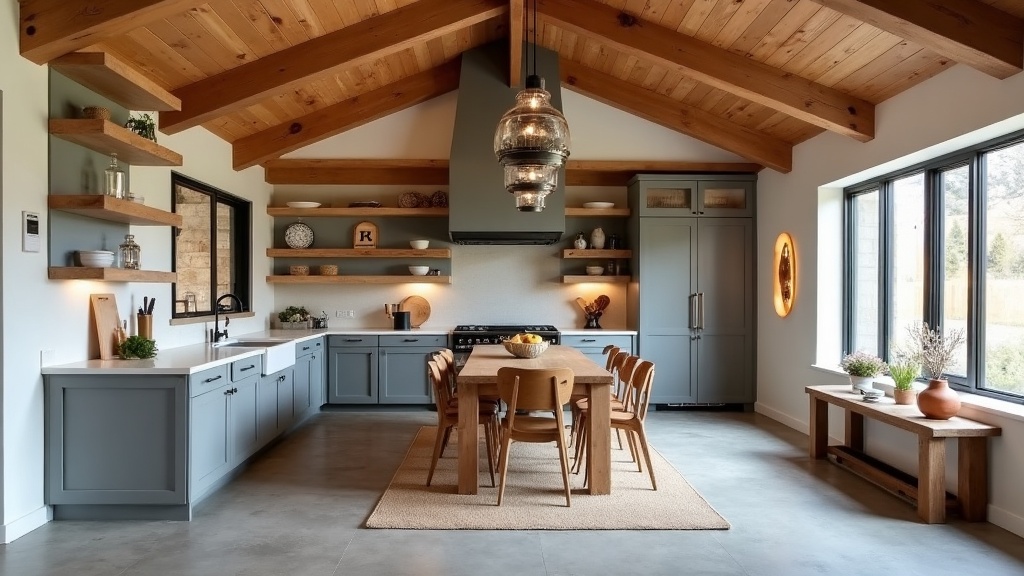
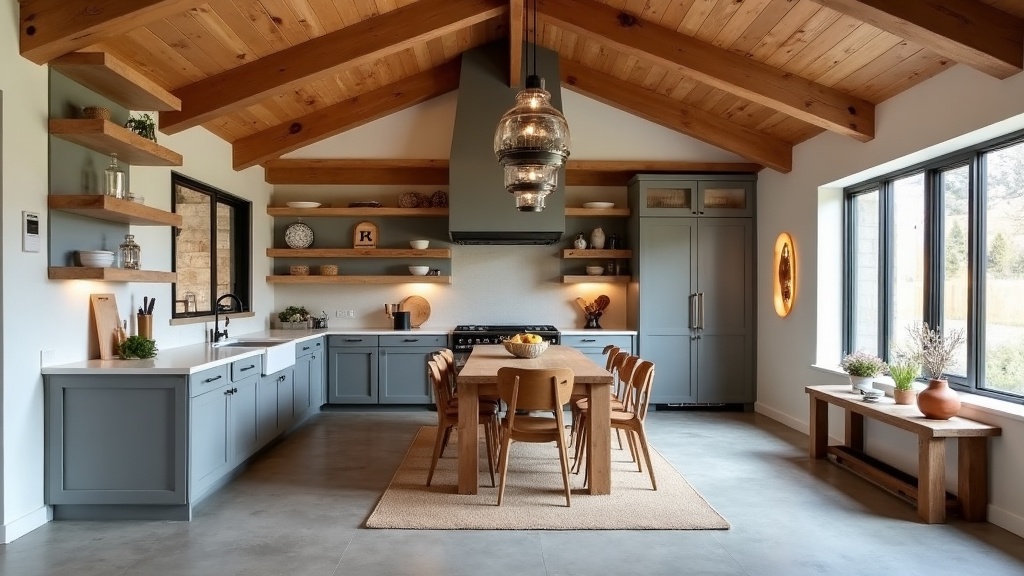
Rustic farmhouse design has shifted away from signs, distressed everything, and decorative clutter. The stronger version uses honest materials, warm wood, matte surfaces, handmade-look tile, simple lighting, and built-ins that actually help your home work.
Here’s what I’d recommend in a Utah home: let warmth come from materials and craftsmanship, not from adding a label to every corner.
Why rustic farmhouse needs restraint
Rustic farmhouse needs restraint because the style can get loud quickly. Too much shiplap, too many barn-door references, too much distressing, and too many black accents can make the room feel themed instead of natural.
A better approach starts with the home. What wood tones already exist? What light does the room get? Is the architecture simple, traditional, modern, or transitional?
What this means for you: choose details that feel useful and permanent, not props.
If a decision affects layout, storage, lighting, waterproofing, comfort, trim, or daily use, I want it in the scope before construction starts. That is how you keep the project clear and avoid surprises.
Materials that feel authentic
Authentic materials usually feel better than fake aging. Natural wood, stone, matte tile, iron or bronze accents, warm paint, durable counters, and simple cabinet profiles can all work.
You do not need every surface to look reclaimed. In fact, one strong wood element can be enough if the surrounding finishes are calm.
In Davis and Weber County homes, I also think about dust, snow-season traffic, pets, and family routines. Finishes should hold up to real life.
Where wood and texture work best
Wood works best where it has structure: beams, shelves, vanities, islands, built-ins, stair details, mudroom benches, fireplace mantels, or outdoor connections.
Texture works best when it balances clean surfaces. Handmade-look tile, stone, woven shades, honed counters, or matte hardware can warm the room without cluttering it.
I’d be careful with too much rough texture in bathrooms or kitchens where cleaning matters. Rustic should not mean hard to maintain.
Lighting, hardware, and tile choices
Lighting should feel warm and purposeful. Sconces, pendants, under-cabinet lighting, and dimmers can keep the space comfortable, especially with wood and matte surfaces.
Hardware and tile should not fight each other. If the tile is textured, keep hardware simpler. If the cabinets have character, let the backsplash support rather than compete.
The goal is balance: warm, grounded, and useful.
How to modernize without losing warmth
Modernizing rustic farmhouse means simplifying the lines and improving function while keeping warmth. You might use flat or simple shaker cabinet doors, cleaner trim, a better pantry plan, warmer lighting, and fewer decorative gestures.
Outdoor living can also support the style when wood, stone, shade, and durable surfaces connect naturally to the home.
At the final walkthrough, the remodel should feel like your home got warmer and more functional, not like it put on a costume.
Questions homeowners ask before they decide
How should I use rustic farmhouse remodel Utah examples before calling?
Save the photos that match a real problem in your home, then write down what you like about layout, storage, lighting, materials, or transitions. That makes the design consult more useful.
What can portfolio photos not show?
Photos usually cannot show waterproofing, HVAC balance, wiring, framing corrections, moisture checks, or the full sequence that happened before finish work.
Should I choose style or scope first?
Start with scope. Style matters, but the room has to work for your real daily routines before finish selections can do their job.
How many inspiration photos should I bring?
A small set of focused examples is better than a huge folder. Bring a few photos and notes about what you like, what you do not like, and what problem each example helps explain.
When should I request a design consult?
Request one when you are ready to connect inspiration to your actual home, existing conditions, budget expectations, and timeline questions.
Ready to talk through scope and timeline?
Ready to talk through scope and timeline? A design consult is the right first step. We’ll walk through how your home is used, what the layout can support, which details need verification, and how to protect the project from surprise changes.
Planning note: Remodel scope, permits, inspection requirements, and existing conditions vary by city and home. Use this article as a practical starting point, then verify project details through your local jurisdiction and a qualified contractor before construction begins.