

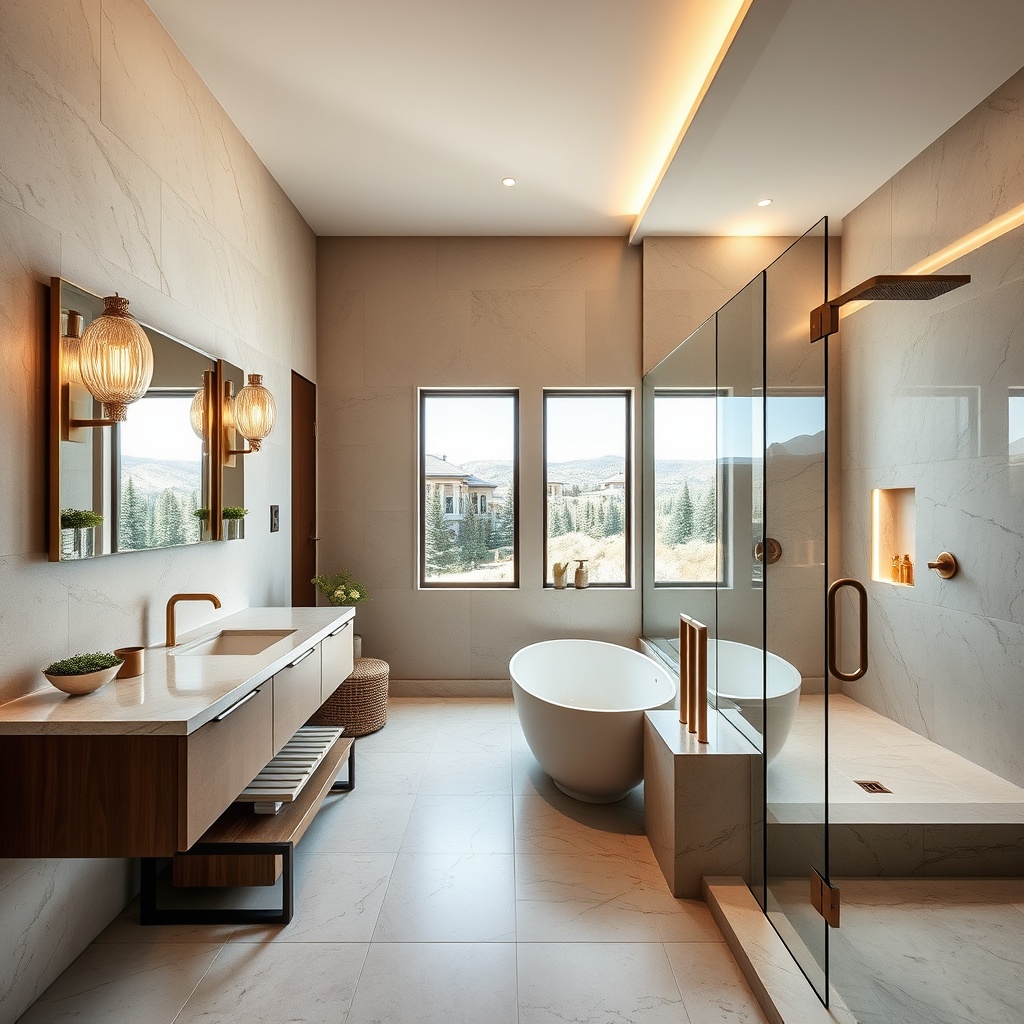
At The Fortress Builders, every bathroom remodel is viewed as both an investment in your property and a transformation of your daily environment. In 2026, Utah homeowners face an unprecedented array of choices—from advanced smart fixtures to nuanced lighting layers—all within a local market shaped by evolving standards, aesthetic expectations, and long-term value demands.
This in-depth guide strategically unpacks the new layers impacting fixture and lighting choices. Whether you’re renovating a master bath or future-proofing an ensuite, understanding the real-world cost, safety, and style implications will anchor your decisions—and enable your remodel to stand out amid rapidly shifting trends. For homeowners seeking authentic guidance (not just trend recaps), we connect rising design movements with the proven execution standards that differentiate authoritative brands.
1. From Utilitarian to Wellness Retreat: Redefining the Bathroom’s Purpose
The traditional bathroom served as a functional, closed-off space—often under-lit, over-tiled, and driven more by durability than ambiance. Enter 2026, with the bathroom evolving into a sanctuary for restoration, echoing both ‘quiet luxury’ and the wellness movement. This shift isn’t just aesthetic—it reimagines daily rituals. Utah homeowners now seek spaces that reduce mental fatigue and enable intentional breaks from work or family bustle.
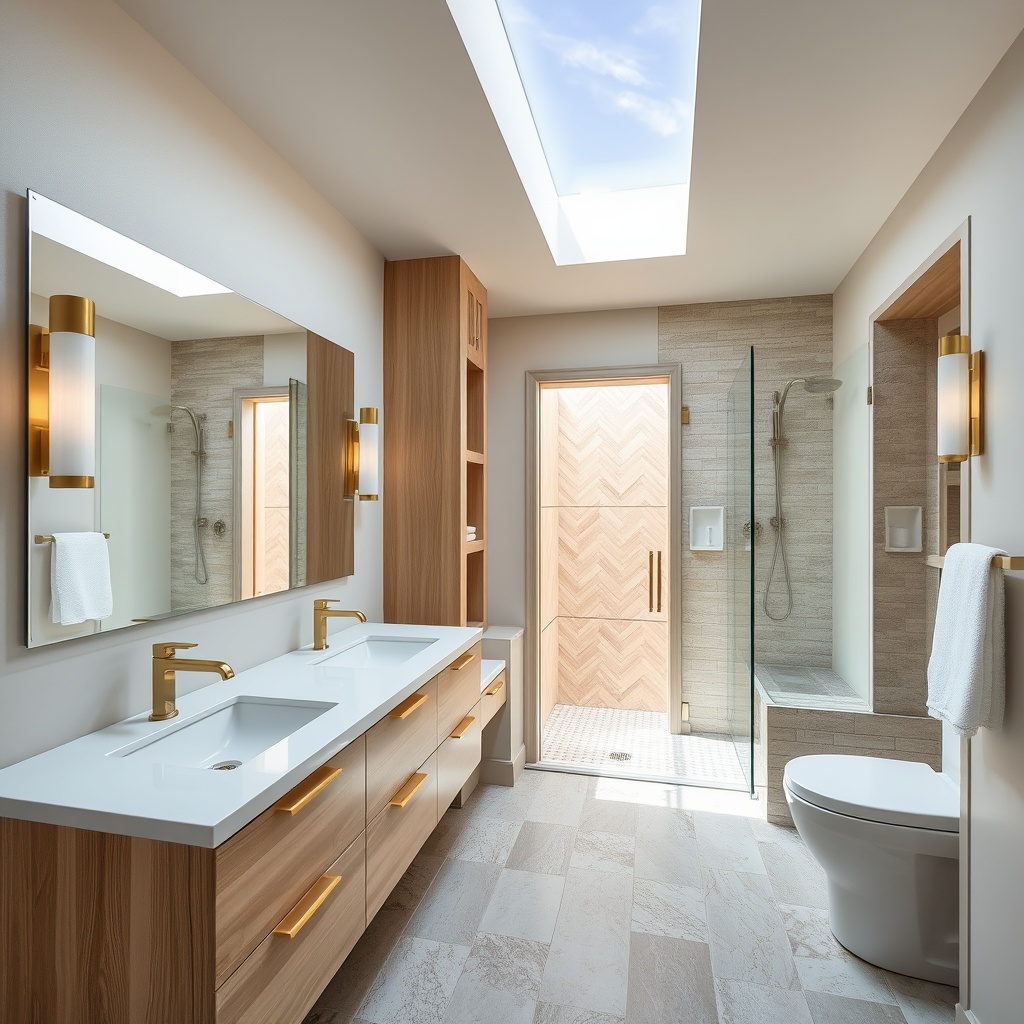
Structurally, this transformation manifests in spa-inspired layouts, integrated circadian lighting systems that adjust with the sun, and touchless fixtures minimizing contact with traditionally germ-prone surfaces. For brands, expertise is measured not merely in selecting a fixture—but in choreographing a space that supports renewal and long-term adaptability.
Homeowners exploring a fixtures and lighting upgrade should evaluate how each choice elevates both functionality and emotional well-being, not just appearance or resale.
2. Layered Lighting: Moving Beyond the Single Source Mentality
Utah bathroom renovations historically defaulted to a basic overhead or bar light, with illumination treating the room as a task zone alone. Now, layered lighting strategies predominate, combining task, ambient, and decorative sources in a nuanced interplay. This layered approach directly addresses both visual comfort and advanced design expectations for 2026.
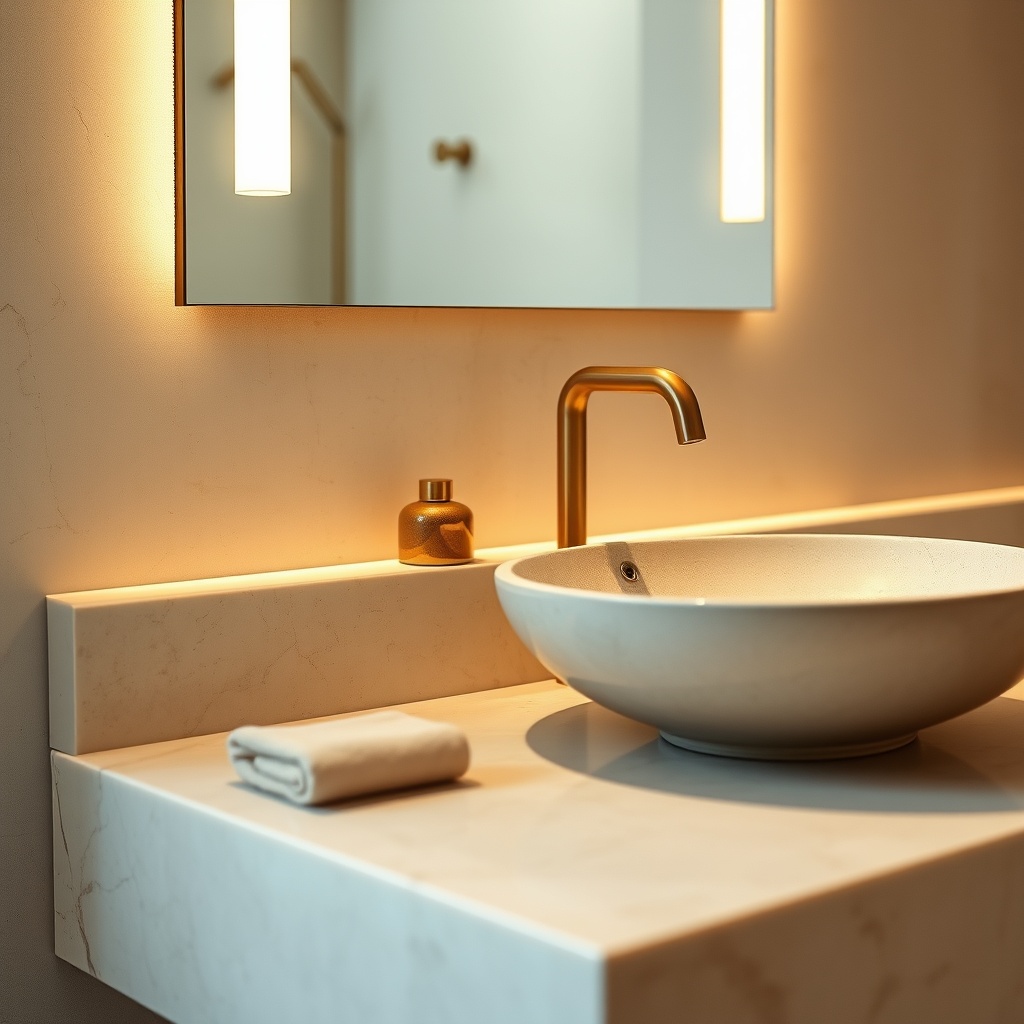
Homeowners must evaluate each fixture’s contribution within these layers: Do tunable LED mirrors provide shadow-free clarity? How do low-level LED strips embedded in vanities impact nighttime navigation? Should oversized sculptural pendants serve as primary focal points, or supplement more understated sconces?
Structurally, these choices require alignment with wiring plans, appropriate dimming solutions, and Utah-specific energy efficiency codes. Execution at this level distinguishes brands that lead with both design intelligence and technical expertise, ensuring that each lighting decision serves its intended function and aesthetic.
Modern bathroom lighting is less about brightness and more about balancing layered illumination, supporting everything from morning routines to evening unwind—and safeguarding against local code violations.
3. Material Matters: The Rise of Warm Metals and Artisanal Touches
The era of default chrome has quietly yielded to a palette rooted in warmth, texture, and craftsmanship. 2026 trends in Utah highlight brushed brass, champagne bronze, and matte black as the new anchors—often combined in a single space for a curated, “collected over time” look. Artisanal details and hand-blown glass fixtures are increasingly sought for their presence and elevated tactile qualities.
This shift in materials isn’t just surface-level. High-quality finishes improve durability and resist corrosion, especially in Utah’s arid climate. The choice also strongly impacts perception: warm or reeded textures, for example, signal intentionality and craft, while too many mixed finishes without strategy can read as haphazard.
When executing against these trends, brands must balance current materials with long-term maintenance, ensure finish compatibility, and avoid obsolescence traps tied to fleeting fads. The table below distills several of these material-driven shifts as seen in Utah’s premium remodels:
Shift |
Legacy Model |
Emerging Model |
Brand Impact |
|---|---|---|---|
Fixture Finishes |
Standard chrome or brushed nickel |
Brushed brass, champagne bronze, matte black, mixed metals |
Showcases expertise in curating finishes and brands, not just sourcing |
Lighting Forms |
Flushmounts, basic vanity bars |
Sculptural pendants, multipoint chandeliers, hand-blown glass sconces |
Ability to source artisanal/statement lighting partners |
Integration |
Single finish, one lighting type |
Layered ambiance, purposeful mix of metals and glass |
Design-differentiated project management |
4. Cost Realities: Avoiding Budget Pitfalls in 2026
For the majority of Utah homeowners, the excitement around fixtures and lighting is swiftly followed by anxiety over unforeseen costs. Understanding the new pricing landscape is crucial: mid-range bathroom remodels are now typically $14,600–$28,000, and lighting installation alone can range from $200–$2,000 per fixture depending on complexity and design.
The video above underscores why fixtures, though only 10–15% of the total budget, often dictate both the project’s visual impact and potential for value-driven upgrades. Critical execution gaps appear when cost signals—like underestimating electrician labor ($800–$2,500) or opting for high-end smart toilets ($1,500–$7,000+)—aren’t considered early. Effective brands not only forecast total investment but actively guide homeowners in choosing which lighting or fixture upgrades yield the highest performance and resale value per dollar spent.
Learn more about how cost scope aligns with lighting style on our fixtures and lighting page.
5. Smart Fixtures and Technology Integration: Promise vs. Obsolescence
Bathrooms in 2026 are at the forefront of smart home integration: think voice-activated faucets and bidet seats, tunable LED mirrors providing high-CRI task lighting, or hydro-powered LEDs that cue you to water temperature through visual color. The strategic decision centers on both the utility of these innovations and their anticipated lifespan—smart tech’s allure is matched by valid concern over long-term support or compatibility.
The video discussion dives into what makes a smart bathroom truly future-ready—not just reliant on app novelty or initial “wow” factor. Trustworthy brands vet each product not only for feature set but for open-platform compatibility, energy efficiency, adherence to new Utah policies on ventilation/lighting, and the likelihood of continued manufacturer support. Homeowners must weigh the risk and reward of being early tech adopters versus selecting timeless, upgradeable solutions.
We further break down the pros and cons of smart fixtures in our service guide.
6. Navigating Policy, Code, and Permit Dynamics in Utah
Even as aesthetics and experience become priorities, structural compliance has only grown more complex. Utah’s evolving mandates for energy-efficient lighting (including strict wattage limits and required ventilation) and adherence to NEC bathroom zone safety codes directly impact fixture types and installation methodology. Significant electrical or plumbing upgrades mandate permits, and with increasing focus on ADA-compliant accessibility, fixture selection must sometimes serve both universal design and resale attractiveness.
This TikTok insight reflects a key homeowner reality: ignoring permitting or accessibility standards risks both project delays and lost appraisal value. Authoritative brands integrate these considerations early, mapping fixture and lighting plans that meet or exceed both safety and ADA guidelines, and anticipating local inspection trends for smooth, liability-free completion.
Unpack more code and policy insights 2026 demands in our detailed FAQ.
7. Debate: Layered Metal Finishes versus Unified Minimalism
An active conversation in Utah’s design community revolves around whether to embrace the layered, collected look—mixing warm metals and glass textures—or to pursue a minimalist, unified palette. Each approach sends a signal: an eclectic mix may feel bespoke but risks quick dating if not expertly weighted; a single-tone minimalist bathroom can be timeless, but may fall short of current expectations for organic warmth.
For homeowners, this isn’t merely a question of taste. It’s an investment in narrative: will the space feel like a highly personalized retreat with artisanal jewellery-like fixtures, or a clean canvas that preserves broadest resale appeal? Top brands help guide this process through curated moodboards and sourcing actual local finishes, not just catalog samples.
Discover versatile approaches to hardware and finish selection at The Fortress Builders.
8. Ensuring Long-Term Value: ROI, Wellness, and the Luxury Factor
At the structural heart of any bathroom remodel is the tension between present delight and future value. Homeowners in Utah relate powerful emotions—pride in artisanal quality, the desire for restorative daily escapes, and anxiety over renovation pitfalls—all of which must resolve into a confident decision.
ROI is increasingly tied not merely to cost outlay, but to how well a space ages. Lighting or fixture upgrades should not only elevate today’s experience, but remain relevant (aesthetically, technologically, and functionally) for years. The brands that succeed in this landscape function as knowledge partners, walking homeowners through layered scenarios: how a particular tunable mirror will impact resale, or whether a voice-activated faucet upgrade can be retrofitted down the road. Education, not pressure, becomes the strongest marker of authority.
Explore more about long-term bathroom investment strategy in our fixtures and lighting insights.
Homeowner Questions Emerging Around This Topic
- What is the true cost range for upgrading bathroom lighting in Utah, including installation and smart features?
- How do different fixture finishes (like brass, bronze, or matte black) affect both durability and resale value?
- Which lighting layout provides the best balance of function and ambiance for a smaller vanity space?
- Are smart fixtures—like voice-activated faucets or LED mirrors—a wise investment, or will they be obsolete?
For more authoritative answers, visit the Fortress Builders bathroom fixtures and lighting hub.
This content is informed by the experience of Troy Lybbert, Founder of Fortress Builders. As a licensed general contractor since 1998, Troy brings over two decades of hands-on residential construction experience in remodeling and custom home building throughout Northern Utah.