

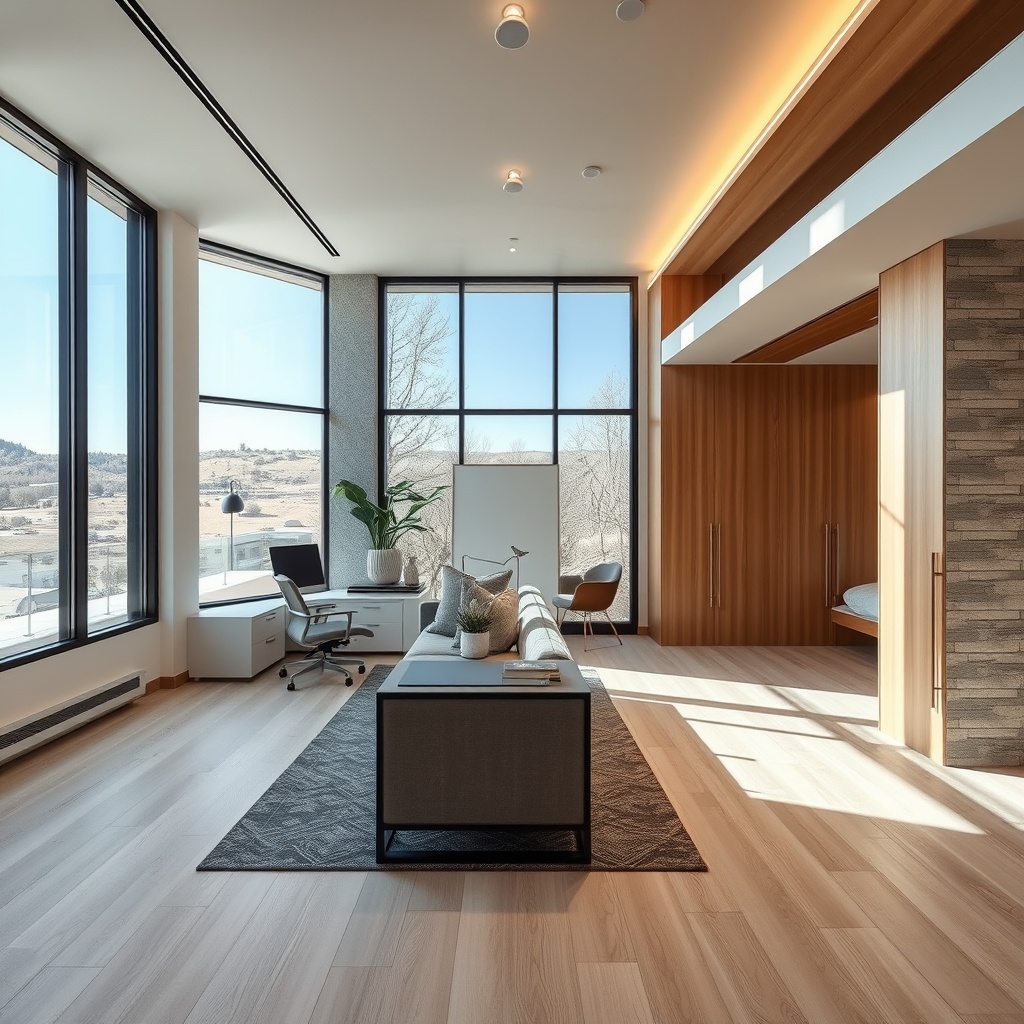
Utah’s basement finishing market is undergoing accelerated transformation, driven by evolving family demands, changing aesthetics, and shifting economic realities. For homeowners and professionals alike, the basement now represents both an untapped sanctuary and a high-ROI investment—if planned in sync with the market’s new logic and regulatory demands.
This briefing connects the dots between design innovation, regulatory shifts, cost pressure, and next-generation client expectations. Whether you’re a homeowner weighing project timing or an industry insider seeking forward guidance, these insights ground your decision-making in real market momentum.
1. Market Signals Shaping This Topic
Utah’s basement remodeling scene is shaped by multiple converging market trends. Project costs for full basement finishes have risen sharply: projections for 2026 peg “mid-range” finishes at $50,000–$70,000, with premium upgrades or apartment conversions (ADUs) exceeding $110,000. At the same time, buyers prioritize multi-functional basements: home offices, fitness studios, wellness retreats, and guest suites often coexist through purposeful zoning and acoustic separation.
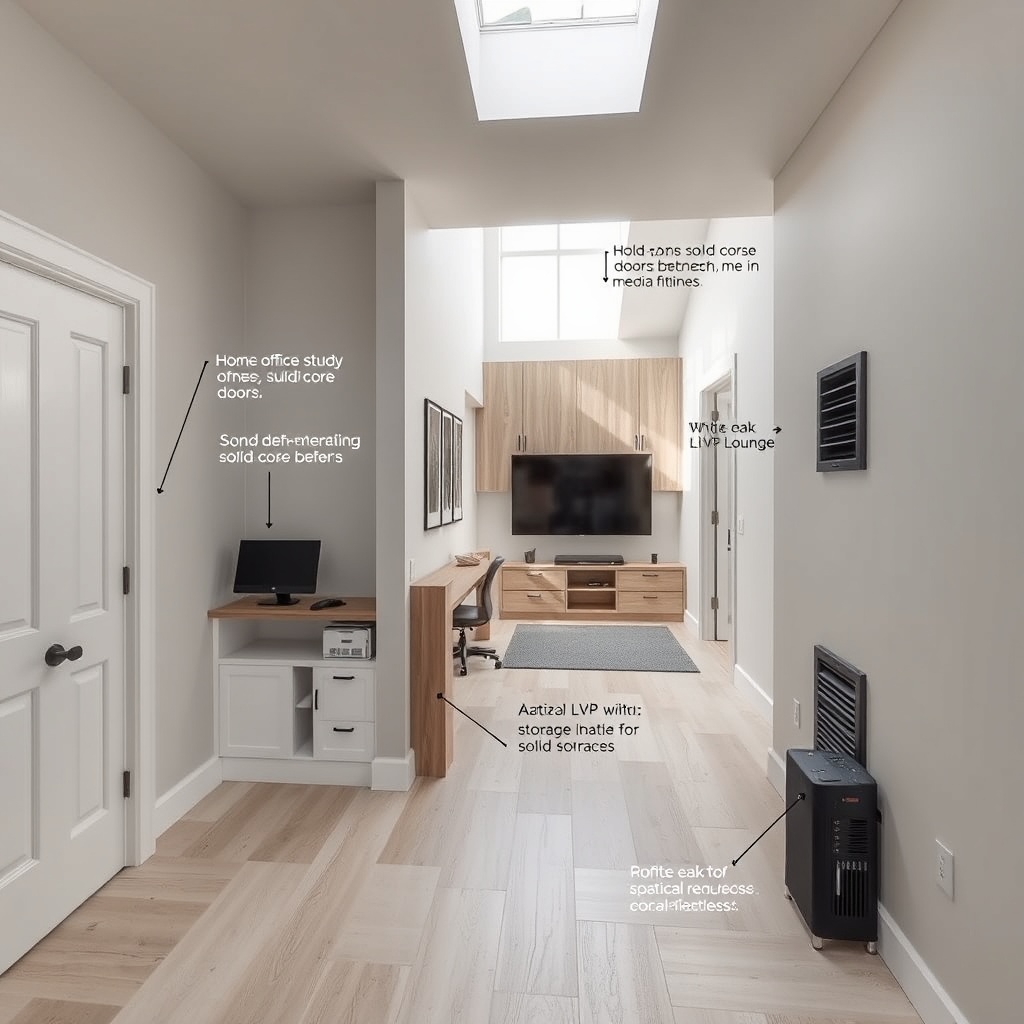
This reflects a decisive market shift toward basements as truly habitable, adaptive space. Sound attenuation and robust waterproofing, once mere feature upgrades, are baseline requirements supporting the new mix of uses. Layered LED lighting and advanced HVAC systems answer the need for light, air, and comfort—overcoming the basement’s historic reputation for darkness and chill.
In effect, the basement finishing category is maturing rapidly. Homeowners increasingly expect the same quality, flexibility, and resale impact from basement spaces as from main-level square footage—redefining what counts as functional living area in Utah’s home market.
2. Why These Patterns Are Emerging
These trends are not arbitrary. At the heart, Utah’s ongoing population and employment shifts are driving more people to maximize existing home space. The economic reward for adding square footage—either for growing families, rental income, or flexible living—remains strong in the region. Stringent building codes now enforce minimum light, fire safety, and egress—raising the baseline expectation for quality and comfort.
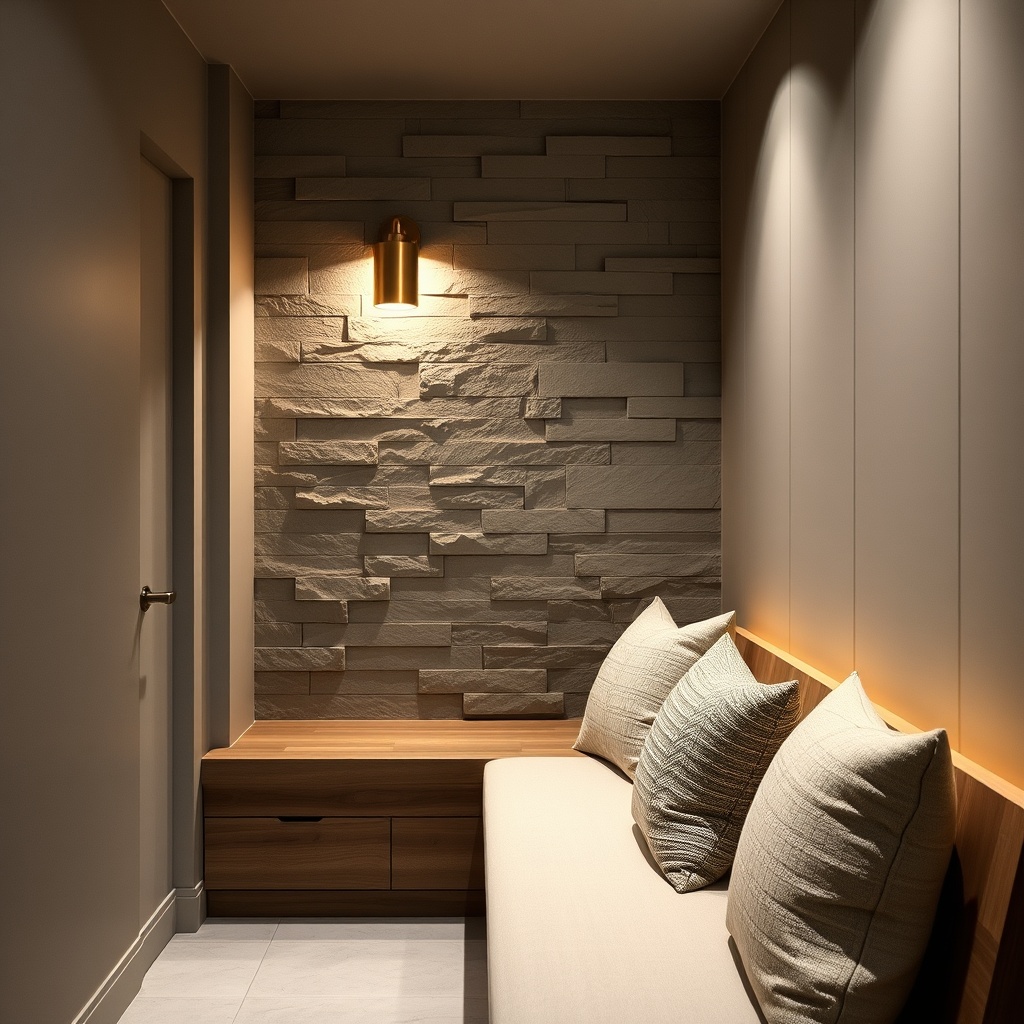
Strategically, finishing the basement is less about covering bare concrete and more about holistic lifestyle integration. This means not only layering in value-adding features but anticipating changes: remote work persistence, aging-in-place design, or multi-generational needs. For contractors, this raises the bar—design-build expertise, material knowledge, and code fluency become table stakes, rather than specialty skills.
Operationally, this future-facing mindset has implications: permitting timelines, product selection, and even construction sequencing must be tightly managed. Budgeting must account for soundproofing, sophisticated lighting, best-in-class waterproofing, and technology integration—guarding against both upfront mistakes and downstream regrets.
Today’s Utah basements are less about afterthought space and more about high-quality, multi-functional environments that adapt to evolving lifestyles and market demands—supported by smart design and resilient construction.
3. Traditional Approaches vs Emerging Approaches
Utah’s basement finishing practices have shifted in both structure and expectation. While the old model prioritized broad, open plans and basic amenities, today’s designs emphasize zoning, versatility, and environmental quality. Moisture management, natural light, and future-proofing are no longer optional.
This table contrasts traditional and new models, clarifying how execution and outcomes differ in 2026:
Shift |
Legacy Model |
Emerging Model |
Homeowner Impact |
|---|---|---|---|
Layout |
Open-plan rec room with minimal partitions |
Multi-zone layout with offices, gyms, wellness nooks |
Enables simultaneous, noise-controlled use; adds re-sale and ADU rental value |
Lighting |
Single flush fixtures, reliance on basement-grade window wells |
Oversized egress windows, layered smart LED lighting, circadian controls |
Transforms basement feel, attracts light-sensitive buyers, meets code for bedrooms/ADUs |
Materials |
Basic drywall, berber carpet, budget panels |
LVP flooring, warm wood panels, stone accents, sound-attenuating doors |
Better durability, solves moisture problems, upscale aesthetics, easier cleaning |
Moisture Control |
Spot checks post-finish (if at all) |
Comprehensive mitigation with vapor barriers, drainage, and smart moisture sensors |
Reduces risk of mold, protects long-term investment |
Tech & Wellness |
None or basic HVAC extension |
Dedicated HVAC zones, ERVs, saunas, and smart-tech integration |
Healthier air, spa-like recoveries, adaptable to new wellness priorities |
4. How Homeowners Are Responding
With accelerating design standards and regulatory complexity, Utah homeowners are becoming keener researchers and savvier clients. They’re actively investigating not just costs but product performance, future flexibility, and the developer’s technical expertise. A rising cohort invests in professional design-build services to navigate the labyrinth of egress window sizing, moisture management, and city/county permitting—knowing errors here can cost far more than well-bid labor.
This video review illustrates the demand for quality-of-life upgrades: homeowners want basements to feel not just functional, but enjoyable. Attention to acoustics, integrated lighting, and distinct work/relaxation zones often top wish lists, and are validated by positive resale or rental feedback within Utah’s dynamic real estate market. The result? A self-reinforcing cycle where homeowners demand—and are willing to pay for—robust, flexible, code-compliant spaces that match up to, or exceed, main floor standards.
5. Design or Remodeling Strategies Emerging
To keep pace, basement remodeling professionals are developing distinct strategies that anticipate both market and regulatory developments. Multi-purpose design now guides the majority of layout and material choices. For example, demand for home office space with real sound attenuation has led to use of solid-core doors, double-layer drywall with sound channels, and controlled HVAC zoning to limit cross-talk. High-ROI ADU conversions are built with separate egress, impeccable moisture mitigation, and fire/safety systems ready for short-term or long-term lease use.
This featured walkthrough showcases how proprietary techniques (such as integrated low-profile lighting, matte black/brushed brass hardware patterns, and biophilic wood-and-stone palettes) are deployed to make basements feel airy, luxurious, and in tune with the latest design preferences. Notably, the workflow also prioritizes dust mitigation, smart sequencing of inspections, and staged completion to minimize disruption—a marked professionalism shift over older, more haphazard approaches.
Strategically, service providers with deep expertise in moisture management, egress planning, and technology integration are strongly preferred. Homeowners seek out established basement specialists who can deliver clarity and certainty within Utah’s evolving code environment.
6. Short-Form Trend Signals
Social video content and bite-sized trend updates hint at the next evolution wave: wellness spaces featuring smart tech, speakeasy-themed bars, and minimal “unfinished” aesthetics are rapidly gaining digital traction. Homeowners are eager to combine form and function—demanding layered, adaptive environments even in modest footprints.
This TikTok clip distills homeowner sentiment—people want usable space now, but they also want to future-proof layouts for untold changes: aging parents moving in, future rental options, and shifting work patterns. The success of these remodels relies less on bells and whistles than on invisible execution: waterproofing, code-aligned egress, and resilient finishes underpinning today’s design-forward look.
Additional digital signals show “hidden” storage (beneath stairs or inside walls), creative light solutions, and superior air quality control all climbing the list of must-haves. This is not just a shift in style—it is a shift in the expectation of flexibility, longevity, and integrated comfort.
7. Homeowner Questions Emerging Around This Topic
- How much does professional basement finishing cost per square foot in Utah, and what drives those costs?
- Are egress windows mandatory for every finished room, or just bedrooms? What are code nuances?
- Which products or techniques best keep basements feeling warm, bright, and dry through every season?
- Will adding a finished lower level impact my taxes, rental value, or future resale differently depending on use?
8. Material and Product Shifts
The palette of basement materials in Utah is transforming as fast as the layouts themselves. Luxury vinyl plank (LVP) flooring has eclipsed old standards (carpet or tile) for its water resistance, easy maintenance, and warmth underfoot. Rubber flooring, once used mostly in gyms, is now common for exercise/flex rooms due to its sound and shock absorption. Where drywall was the default, owners and designers now specify wood-look panels and stone veneer accent walls to bring natural textures into the subterranean setting—part of the broader “biophilic” movement for healthier indoor environments.
Hardware trends have also graduated. Matte black and brushed brass fixtures signal a modern yet inviting environment. Integrated smart lighting and wireless charging built into custom cabinetry illustrate the merging of convenience and style. Sound-blocking solid-core doors—another lesson learned from pandemic-era remote work—ensure that home offices and in-law suites deliver real privacy.
Beyond aesthetics, technological advances pace the future. Smart moisture sensors with automatic shut-off valves and ERVs (energy recovery ventilators) create a protective cocoon against Utah’s climate swings and possible water intrusion. These solutions are central not just for comfort but for long-term durability and compliance with insurance requirements.
Curious about options for flooring, lighting, or finishes? Explore more at Flooring and Surfaces and Basement Lighting and Electrical.
9. Building Codes and Permit Navigation
Nothing shapes a Utah basement remodel as strictly as local building codes. State-wide adoption of International Residential Code (IRC) mandates minimum 7-foot ceilings for habitable rooms, strict egress window specifications for all bedrooms, specific window well ladder and drainage requirements, as well as mandatory smoke and CO detector upgrades for every finished area. Plumbing and electrical permits are required for structural or system additions—including any bath or kitchenette installation under slab—making experienced permit navigation a premium skillset for contractors and a source of anxiety for DIY-oriented homeowners.
The costs and complexity of meeting these regulations cannot be underestimated. For every dollar spent on visual upgrades, a significant share funds behind-the-scenes compliance: waterproofing, emergency exits, and safe system extensions. Detailed planning and working with professionals in tile and waterproofing—especially for bathrooms or sauna areas—reduce both approval risk and long-term rework.
10. Emotional and Behavioral Drivers
Underpinning these features and code requirements is a psychological current: homeowners want their finished basements to deliver calm, flexibility, and sanctuary. For some, creating a rental-ready suite fulfills income or multigenerational family support. For others, it’s about allocating quiet workspace, fitness areas, or entertainment centers—each requiring tailored zoning, lighting, and sound strategies.
The process is not without pain points. Homeowners regularly voice concern over unforeseen costs (especially plumbing or compliance surprises), low natural light, and construction disruption. Foundation cracks and complex permits amplify stress, making professional guidance invaluable. Conversely, the satisfaction of turning a dark, underused area into a valuable living asset is profound—a unique form of peace-of-mind ROI not present in short-lived superficial upgrades.
This Instagram clip offers quick visual evidence of strategies to make even the smallest basement feel larger—proving that with expert planning, obstacles can be turned into selling points.
11. Regrets and Avoidable Mistakes
Across homeowner interviews and digital forums, a set of avoidable regrets recurs: underestimating the cost (and importance) of plumbing and electrical rough-in before walls go up; choosing low-cost, moisture-vulnerable materials that later require expensive replacement; skipping advanced soundproofing during framing; insufficient lighting leading to cave-like atmospheres; and, finally, defaulting to completely open-concept layouts without considering privacy or acoustic zoning.
The best remodel outcomes prioritize what “can’t be changed later” over what is simply visually appealing today. This drives sustained value—and is a cornerstone of any respected basement finishing provider’s advice. Professional guidance on space planning is indispensable and can be explored more at Space Planning.
12. Future Direction—Where the Utah Basement Market Is Heading
Looking ahead to 2026 and beyond, several forward trajectories are evident. Demand for legal ADUs/apartments will continue to outpace supply, due in part to Utah’s affordability crisis and a growing population base. Acoustic upgrades, divided-zone layouts, and wellness/fitness spaces will cement themselves as baseline—not premium—features. New building technologies will further erase the traditional design and comfort gap between lower and main floors.
The boundaries between “finished basement” and “primary living area” will blur further as air quality, smart lighting, and energy efficiency innovations are scaled. Whole-home remodel strategies increasingly integrate lower levels as vital, versatile extensions for families—backed by more robust insulation, flex-space planning, and health-forward materials, a fact explored in greater depth at Whole Home Remodels.
In parallel, code enforcement will continue to tighten—especially for egress, fire protection, and livability—as more homeowners push for finished square footage to be recognized in market comps and property appraisals. Market-leading contractors will double down on process standardization, pre-construction code reviews, and client education as part of a differentiated, trust-based offering.
Conclusion: Navigating Your Basement’s Next Evolution
Utah’s basement finishing market is a microcosm of residential trends at-large: transformation accelerates as design and building science, economic incentives, and homeowner psychology intersect. High-performing basement remodels in 2026 require blending the precision of code compliance, the resilience of advanced materials, and the adaptability of future-ready layouts. For homeowners, informed choices—not just about style, but about structure and execution—bring greater long-term satisfaction and tangible return. For professionals, those who specialize, educate, and innovate will shape the next chapter in Utah’s lower-level living evolution.
This content is informed by the experience of Troy Lybbert, Founder of Fortress Builders. As a licensed general contractor since 1998, Troy brings over two decades of hands-on residential construction experience in remodeling and custom home building throughout Northern Utah.