

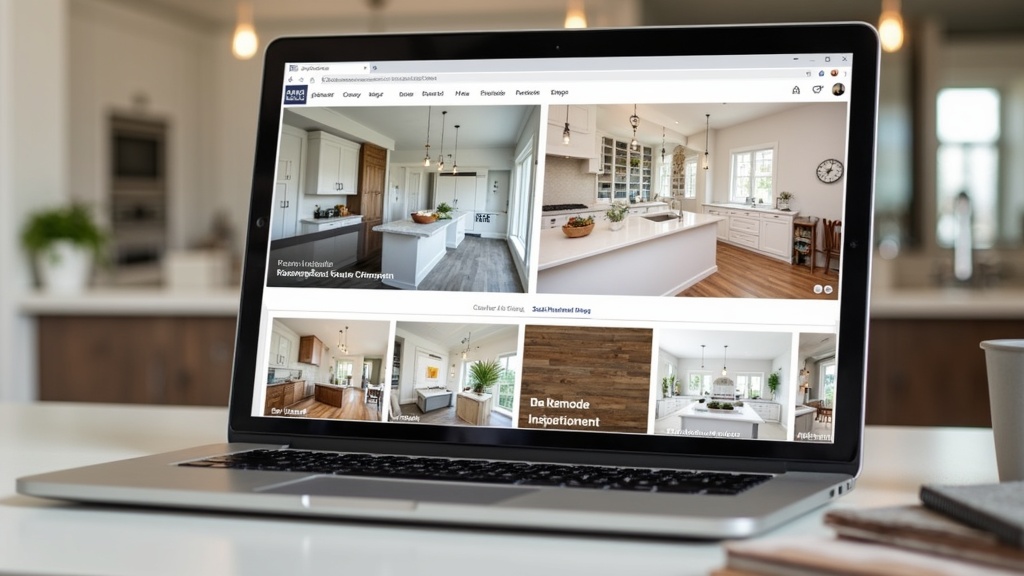
Kitchen, Bath, Basement, or Whole-Home: Which Remodel Photos Should You Study First?
A practical guide to using remodel portfolio by project type pages so kitchen, bath, basement, and whole-home photos answer the right questions.
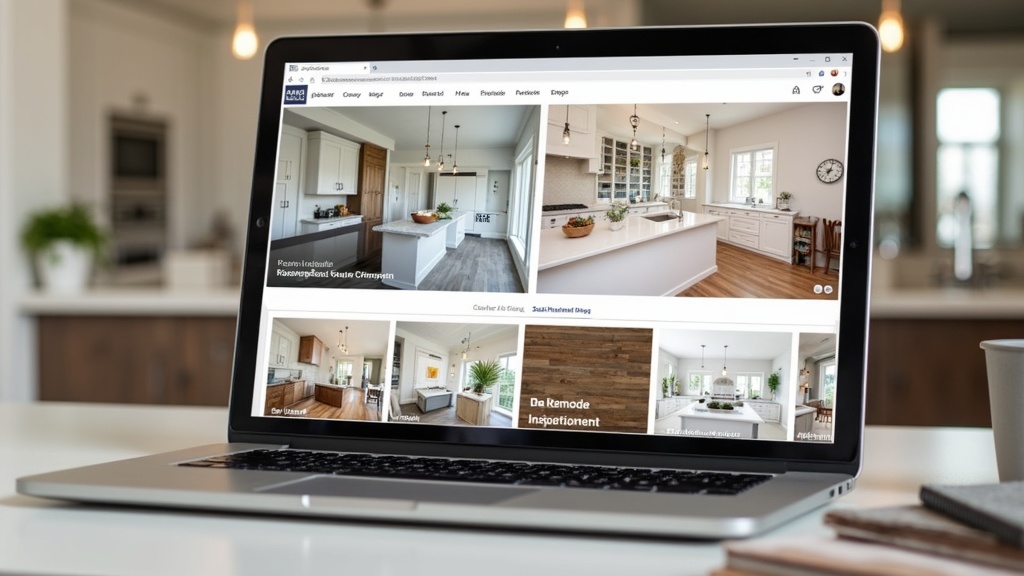
Trying to decide whether to study kitchen, bath, basement, or whole-home photos first? The honest answer is to start with the project type that matches the problem in your home.
A kitchen portfolio teaches different lessons than a bathroom portfolio. Basement examples show different decisions than whole-home projects. If you study them all the same way, you may collect a lot of inspiration without knowing what the scope really needs.
Here’s what I’d recommend: use project-type photos to understand function first, then use style photos to refine the look. That keeps the decision step by step and avoids turning a simple remodel into an unclear project.
Why project type matters when browsing portfolios
Project type matters because every remodel is solving a different kind of problem. A kitchen is usually about workflow, storage, appliances, lighting, and gathering. A bathroom is about waterproofing, fixture placement, tile, ventilation, and daily routines.
A basement is about comfort, code-aware layout, lighting, moisture, and sound. A whole-home remodel is about sequence, consistency, and how rooms relate to each other.
What this means for you: browse the category that matches the decision you are actually making, not just the photo that looks the most polished.
If a decision affects layout, storage, lighting, waterproofing, comfort, trim, or daily use, I want it in the scope before construction starts. That is how you keep the project clear and avoid surprises.
What kitchen photos reveal
Kitchen photos reveal more than cabinet color. Look at where the refrigerator sits, how the island lines up, whether seating blocks the cooking path, and how pantry access works.
Good kitchen remodel examples also show lighting layers, storage rhythm, countertop runs, appliance integration, and flooring transitions. If the kitchen opens into the dining or family room, look at how those spaces connect.
In Northern Utah homes, I also look for garage-entry traffic, snow-season drop zones, and whether the kitchen supports real family routines instead of only looking clean for a photo.
What bathroom and basement photos reveal
Bathroom photos reveal tile layout, shower glass, vanity proportions, lighting, mirror placement, and finish transitions. They also raise hidden questions about waterproofing, ventilation, drain placement, and wall prep.
Basement photos reveal atmosphere, lighting warmth, ceiling planning, flooring, furniture zones, and whether the space feels connected to the upstairs. They do not fully show egress, moisture management, sound control, or HVAC balance, so those questions should come up in the consult.
Both project types can look finished in pictures and still feel wrong in real life if the hidden planning was weak. That is why I care about what is behind the picture.
What whole-home photos reveal
Whole-home photos are different because they should show a design thread. Look for consistent flooring, trim profiles, cabinet language, hardware, lighting temperature, and how one room leads into the next.
A strong whole-home remodel should not feel like five separate projects. It should feel like your home was planned with one clear scope, even if the work was phased.
I’d recommend studying whole-home examples when more than one room feels disconnected or when you are trying to modernize the house without losing its original character.
How to turn inspiration into a project brief
Write a short project brief before you call. Include the rooms you are considering, the problem each room needs to solve, the portfolio photos you liked, and the details that matter most.
That brief does not need to be fancy. It can be a note on your phone: “Kitchen storage, better island clearance, warmer lighting, avoid glossy white.” That gives the first conversation structure.
The goal is not to copy a photo. The goal is to use photos to make better remodeling decisions for your home.
Questions homeowners ask before they decide
What should I decide before I schedule a design consult?
Start with what is not working in your home, what you want the space to do, and which examples or details caught your eye. You do not need every finish selected before the first conversation.
Why does clear scope matter so much?
Clear scope protects the budget, timeline, and final walkthrough. It also keeps design decisions from becoming surprise construction changes later.
Should I verify local requirements before construction starts?
Yes. Permits, inspections, use classifications, and existing conditions vary by city and home, so the project should be verified before work begins.
Can photos tell me everything I need to know?
No. Photos help you see style, proportion, storage, lighting, and craftsmanship, but they cannot show every hidden system behind the finished walls.
When is the right time to call Fortress Builders?
Call when you need help turning ideas into a clear scope, realistic sequence, and buildable plan for your home in Davis or Weber County.
Ready to talk through scope and timeline?
Ready to talk through scope and timeline? A design consult is the right first step. We’ll walk through how your home is used, what the layout can support, which details need verification, and how to protect the project from surprise changes.
Planning note: Remodel scope, permits, inspection requirements, and existing conditions vary by city and home. Use this article as a practical starting point, then verify project details through your local jurisdiction and a qualified contractor before construction begins.