

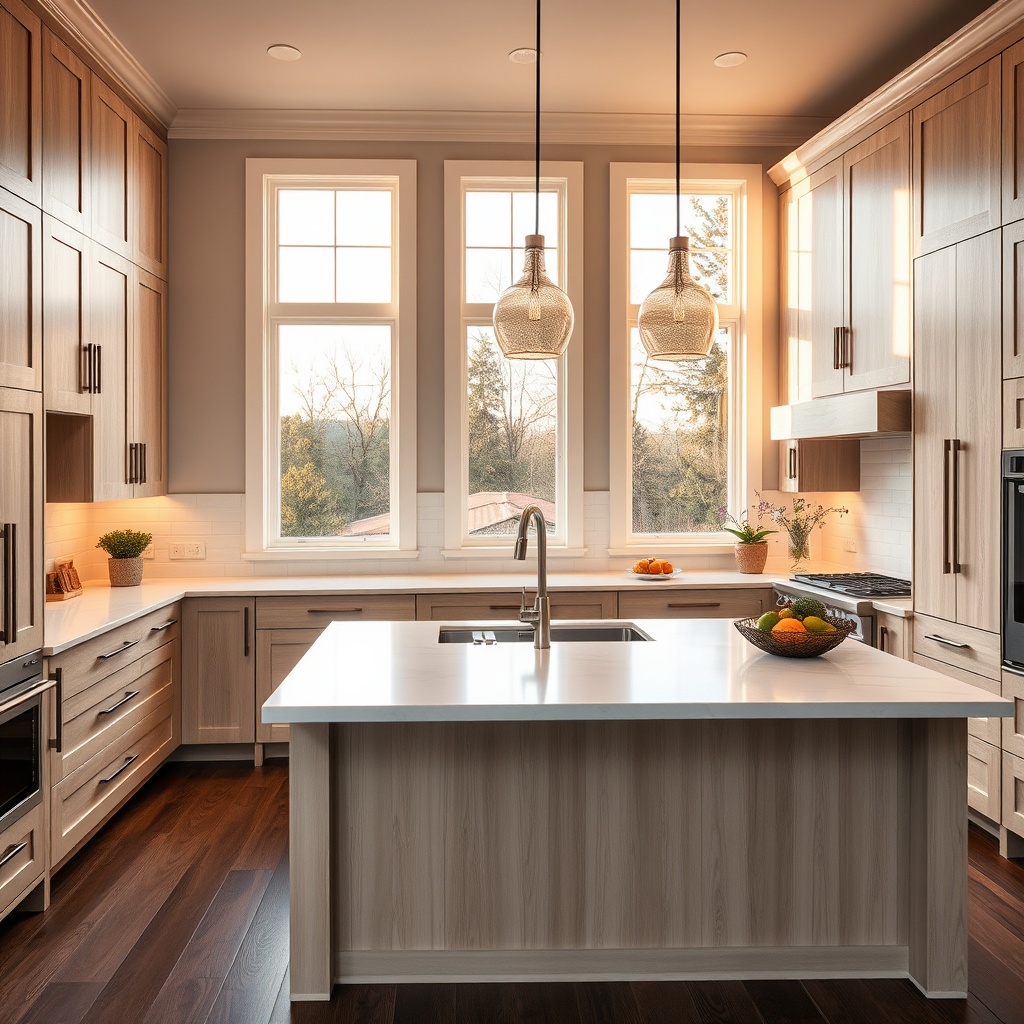
Kitchen remodeling sells an image of transformation but routinely collides with the economics of constraint. The data makes this clear: while inspiration boards are filled with ambitious cabinetry and statement counters, actual projects are dictated by limits—of budget, logistics, and above all, compromise. Homeowners want kitchens that signal taste and durability but quickly discover that every design choice comes with hidden tradeoffs. In the real world, the journey from vision to execution is entangled in hard math and lived necessity more than glossy aspiration.
This is not a cycle of dreams smoothly becoming reality. Instead, it’s a series of decisions rewritten by cost pressure, risk aversion, DIY optimism, and the tactical use of refacing or refinishing. The modern kitchen remodel plays out on a chessboard of budget, disruption tolerance, and what the space will actually support. Nowhere is this tension more acute than in cabinetry and countertops, which dominate both financial outlay and the kitchen’s visual order. Industry participants—from DIYers to full-service remodelers—are adapting around these realities, with implications both for household behavior and the businesses poised to serve them.
1. Market Signals Shaping This Topic
Three sharp realities emerge from current kitchen cabinetry and countertop data: First, these components absorb the single largest portion of remodel budgets—cabinetry alone often dictates design “ambition.” Second, a clear upper and lower limit to what most households will spend: while the average remodel hovers near $27,000, typically 20–40% of this is cabinets and labor. Third, most remodels cluster around strategies that minimize irreversible changes—revamping rather than replacing where possible, and preferring proven materials over the speculative.
2. Why These Patterns Are Emerging
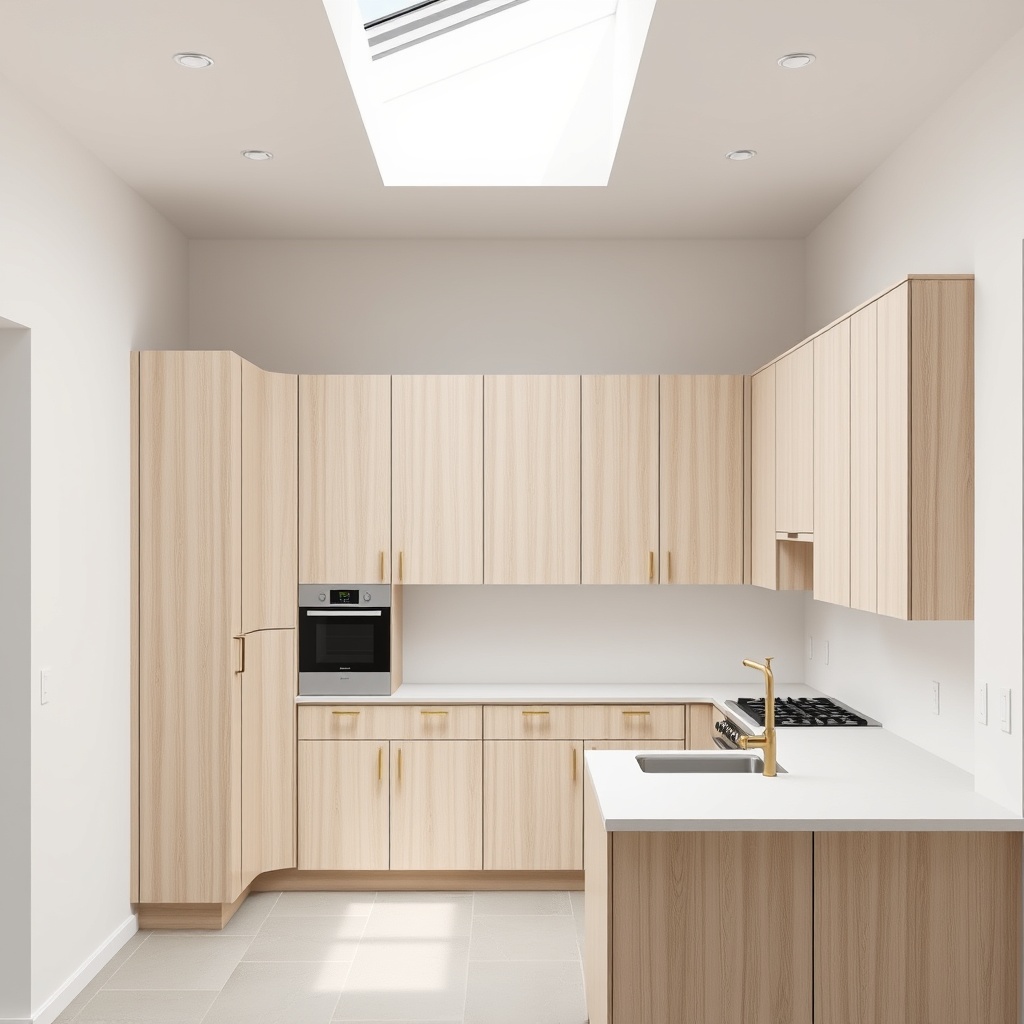
The culprit is rarely indecision; it’s exposure to risk. Cabinets and countertops are highly visible, permanent, and expensive to replace. Material choices—from economical thermofoil up to natural stone—are made less out of pure preference than an awareness of what “failure” or a botched installation would cost. Even in a climate of HGTV-fueled ambition, most households have a low appetite for catastrophic error, leading them to favor solutions that promise minimal disruption, quick fit, or the plausible deniability of a facelift via paint, veneer, or hardware swaps. Coupled with the inherent complexity of measuring, ordering, and staging in these categories, the risk-minimization instinct amplifies with every dollar at stake.
Remodeling decisions for kitchen cabinetry and countertops are rarely about maximizing aspiration—they’re an uneasy truce between what’s wanted and what feels repairable if plans go off-script.
3. Traditional vs Emerging Approaches
“Out with the old, in with the new” used to dominate, but newly price-cautious households are driving three notable changes. First, a move from custom-fitted to stock and semi-custom solutions as the cost of lumber, labor, and scheduling spike. Second, a clear preference for refacing or refinishing over full replacement when cabinets are structurally sound. Third, willingness to trade surface material luxury (granite, engineered quartz) for ease of DIY—like butcher block or high-grade laminate—shows a recalibration in what gets prioritized when wallets confront aspirations.
| Shift | Legacy | Emerging | Impact |
|---|---|---|---|
| Cabinet selection | Custom builds, full replacement | Stock/semi-custom, refacing/refinishing | Shorter lead times, lower spend; increased DIY feasibility |
| Countertop installation | Contractor-led stone/quartz | Laminate & butcher block DIY | DIY penetration up, risk acceptance rises, surface features de-emphasized |
| Budget allocation | Cabinets/counters absorb 50%+ budget | Budget reserved for contingency, backsplash, or appliance upgrades | Renovation scope diversified; less catastrophic single-point spend |
| Finish upgrades | End-to-end trades; low homeowner labor | Paint, hardware, minor carpentry handled in-house | Labor cost decrease, variable finish quality, higher satisfaction with “good enough” outcomes |
4. Homeowner Response Patterns
The hypothesis that most remodelers are maximizing for beauty first and foremost doesn’t stand up in practice. Homeowners demonstrate an escalating pragmatism: they budget for 10% contingency, plan for the inconvenience (eating out, temporary kitchens), and actively seek sources—like workshops or showrooms—where hands-on advice can preempt costly mistakes. There is notable acceptance that perfect outcomes are rare; instead, the strategy is to opt for materials or methods (e.g., drop-in sinks, pre-fab cabinets) that forgive imprecision. Many prefer to remain in the house throughout demo and install, which adds to the bent toward low-mess or reversible interventions. And when forced to choose, functionality (storage, lighting, reliability) will regularly trump stylistic purity.
5. Strategy Shifts in Design/Remodeling
Unlike other home upgrades—where labor is standardized and failure somewhat recoverable—cabinetry and countertop decisions radiate outward into other project components. The install sequence now begins earlier, as accurate layout and cabinet sizing directly affect appliance fit and utility runs. The reframing of demolition and reconstruction as modular tasks (with partial demo, reuse of plumbing/electrical, or selective wall opening) further enables segmented budgeting and staged installation. DIYers are more calculated—choosing stock or flat-pack cabinets for speed, pairing with laminate or butcher block counters that can be hand-fitted, or upgrading only visual elements when functionally viable. Even in lighting and under-cabinet solutions, the use of adhesive LED or puck systems demonstrates a willingness to bypass complexity in favor of incremental, non-invasive progress. These strategic shifts result in less downtime, lower unexpected cost, and agility to adjust as project hurdles appear.
6. Short-Form Trend Signals
Short-form platforms reflect the proliferation of incremental upgrades: tutorials show refinishing “old” cabinets with sub-$500 kits, the value of stock cabinetry in island builds, or the transformation possible with interlocking panel backsplash. Aesthetics like deep green cabinets and warm countertop tones rise in mainstream popularity not from their uniqueness, but because they offer plausibly DIY color updates that mask age and visually harmonize with more budget-friendly materials. The visibility of “before/after” along with speed of completion both matter—these projects are rarely epic overhauls, instead packaged as weekends or single-room evolutions. This is where the DIY movement exerts real category influence.
7. Key Questions Homeowners Are Asking
- Is it truly worth replacing versus refinishing or refacing existing cabinets given their structural condition?
- How much risk is there in self-installing butcher block or laminate countertops, especially for first-timers?
- At what threshold of damage or obsolescence does DIY stop being cost-effective—and call for a pro?
- How can I keep plumbing and electrical in place without sacrificing future layout flexibility?
8. Future Outlook
Looking forward, the kitchen remodel category—especially for cabinetry and countertops—will remain shaped by these cost-conscious, phased, and DIY-compatible behaviors. As labor and material volatility persists, households will continue seeking adaptability over permanence, favoring solutions that allow for quick reversal or visual refresh without total gutting. Modular, stock, and easily refinished cabinets will see ongoing demand. The acceptance that “perfect” is both expensive and fragile will sustain a healthy market for face-lifts, overlays, and partial upgrades. Technology may enable more precise measurement and fit but will not overcome homeowners’ instinct for outcomes that feel manageable—and fixable—should plans or finances change.
For those designing products or services in this space, the lesson is unambiguous: reduce points of potential regret, lower the stakes for DIY, and recognize that most remodeling is an act of boundary negotiation—not unbounded transformation.
Relevant category resources include: kitchen remodel services for overall project management, cabinets and countertops planning for material and design choices, bathroom remodel parallels for scope comparison, lighting and electrical insights for utility integration, and additional remodel services for complementary space planning.