

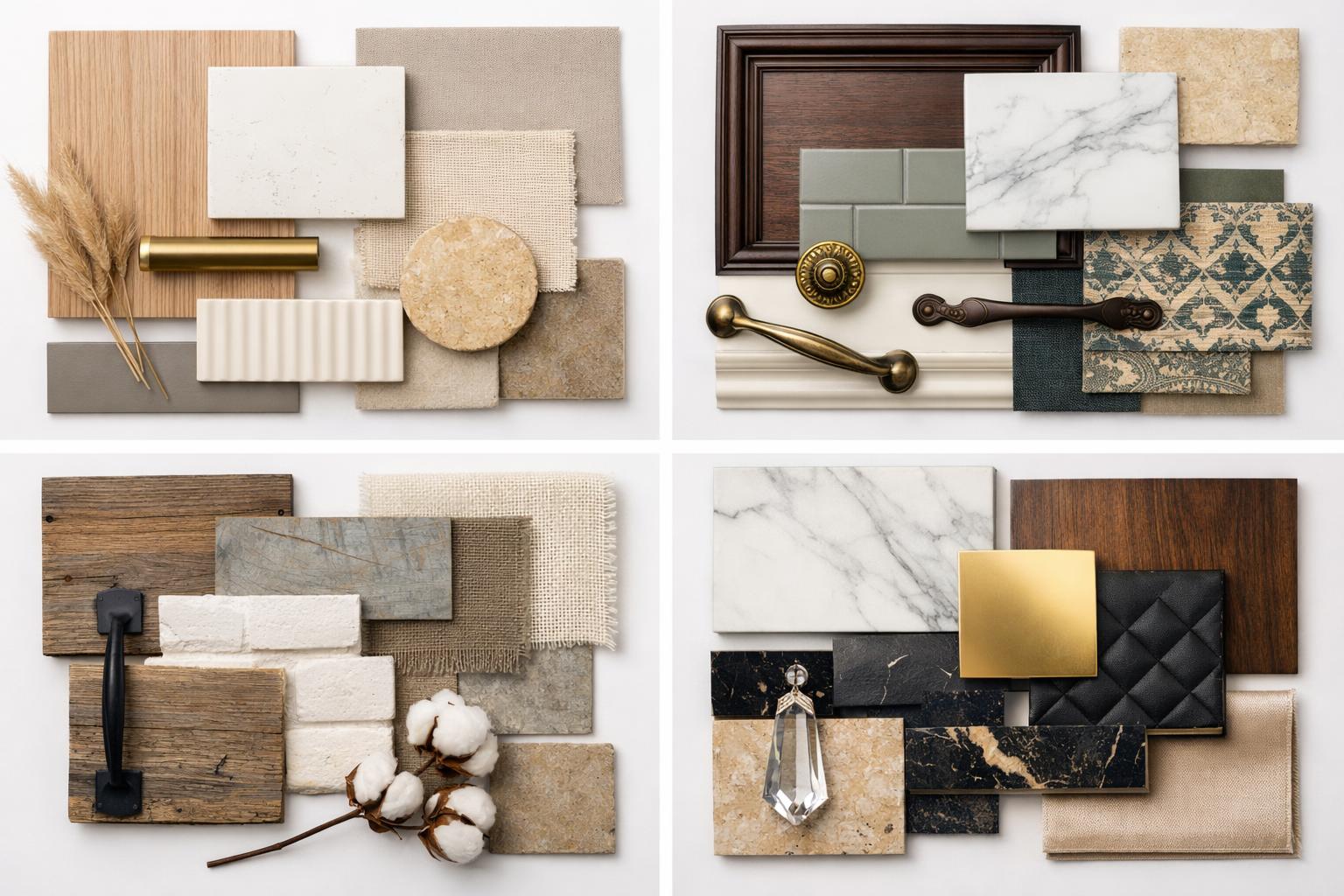
Modern, Traditional, Rustic, or Luxury? How to Choose a Remodel Style That Will Still Feel Right
Use a style decision framework to choose modern, traditional, rustic, farmhouse, or luxury remodel details that fit your home and age well.
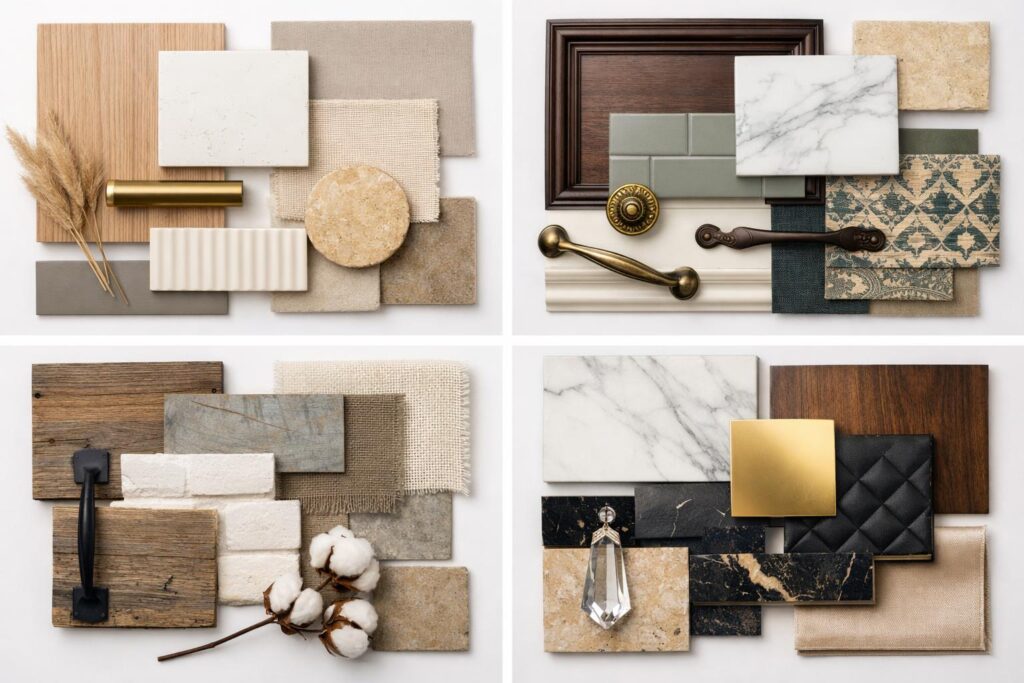
The remodel style most likely to keep feeling right is the one that fits your home’s architecture, your tolerance for maintenance, the way you use each room, and the details you already want to preserve. “Modern,” “traditional,” “rustic,” and “luxury” are useful filters. They are poor substitutes for a design brief.
I would not ask a Davis or Weber County homeowner to choose one label from four mood boards and build from there. I would ask which lines feel calm, which materials you enjoy touching, how much visual detail you want to maintain, what the house already does well, and what looks are starting to feel forced. Those answers produce a style with a backbone.
Rooflines, windows, ceilings, stairs, brick, trim, and room proportions set useful boundaries.
Children, pets, cooking, entertaining, cleaning, storage, and accessibility affect every finish.
One lead style and one supporting influence usually read more clearly than equal parts of everything.
Cabinet, counter, tile, floor, paint, metal, and lighting must work together in your home’s light.
Start With the House You Have
Walk the exterior and interior without looking at inspiration photos. Note the window shapes, ceiling heights, stair design, door and trim proportions, masonry, built-ins, floor pattern, and the way rooms connect. Decide which features are sound and worth keeping, which need reinterpretation, and which actively fight the way you live.
A remodel can intentionally contrast with the original architecture, but the contrast needs a transition. Dropping a stark flat-panel kitchen into a detailed traditional house without addressing adjacent floors, casing, lighting, and sightlines makes the kitchen look imported. Adding heavy beams and distressed wood to a simple newer home can have the same effect in the other direction.
Neighborhood context matters less as a rule than as a clue. Kaysville, Farmington, Layton, Bountiful, and Ogden contain homes from different eras and building traditions. Use the actual house rather than a regional stereotype. The goal is not historical purity; it is a remodeled room that belongs when you step through the door.
- Which existing features would I be disappointed to lose?
- Do I prefer quiet surfaces or visible pattern, grain, and ornament?
- How much cleaning, sealing, touch-up, and natural aging feels reasonable?
- Which rooms need to handle the hardest daily wear?
- Do I want fixtures and millwork to recede or to become focal points?
- Which three saved images still appeal after I explain the function—not only the color?
Modern: Fewer Lines, Better Proportions, Nowhere for Weak Details to Hide
Modern remodeling often uses simple cabinet profiles, controlled joints, restrained hardware, open visual space, integrated storage, and limited material changes. Warm wood, tactile stone or stone-look surfaces, and layered light can keep it from feeling clinical. The strength is clarity. The risk is that “minimal” becomes under-planned.
Because the elevations are quiet, alignment matters. Cabinet reveals, panel breaks, appliance relationships, ceiling edges, tile terminations, outlets, and door frames become more visible. Concealed storage has to be deep enough and located at the task. A handle-free idea still needs comfortable operation. A broad pale surface still needs a realistic care plan.
Choose modern if you like visual calm, edited objects, straightforward lines, and the discipline to coordinate details early. Do not choose it because a white room made a small screen feel peaceful. Review warmer examples in the Fortress Builders portfolio and ask what gives each space texture and daily function.
Use the remodeling services overview to separate a style preference from the design and construction work needed to carry it through layout, lighting, surfaces, systems, and finish details.
Traditional: Proportion and Familiar Detail Without Decorative Overload
Traditional remodeling can use framed cabinet doors, layered trim, classic tile shapes, furniture references, warm metal, and more visible transitions. It works well when the original home has established millwork or when you prefer rooms with a sense of permanence and detail. Its strength is character. Its risk is treating every available detail as mandatory.
Good traditional work depends on proportion. Crown needs the ceiling height and cabinet relationship to support it. Panel molding needs spacing that fits the wall. A furniture-style vanity still needs efficient storage and cleaning access. A classic stone pattern or subway tile needs a layout plan, not just a familiar name.
Choose traditional if you enjoy visible craftsmanship, layered but controlled detail, and a room that relates to familiar architectural forms. Keep the function current: wider drawers where useful, better task lighting, organized pantry storage, comfortable shower access, and controls placed for the person using them.
Rustic and Farmhouse: Honest Texture With Modern Performance
Rustic and farmhouse styles can use wood, stone, brick, handmade-looking tile, simple painted cabinetry, practical built-ins, and robust hardware. They fit Northern Utah when the materials feel honest and the rooms support family life. Their strength is warmth. Their risk is turning the house into a collection of symbols.
Beams should make sense in the room rather than float as decoration. Wood should have a clear tone and finish strategy instead of five competing stains. An apron-front sink can be useful and expressive, but its cabinet, counter, faucet, and cleanup details need coordination. A barn door should solve a door problem; it should not sacrifice privacy and sound control for a label.
Choose rustic or farmhouse if natural variation, patina, texture, and straightforward utility appeal to you. Balance rougher material with clean lines and quieter fields. Prioritize a real mudroom drop zone, pantry, durable floor, and washable surfaces before adding nostalgic accessories.
Luxury: Precision, Comfort, and Coordination—Not a Separate Look
Luxury is not one cabinet style. A modern, traditional, or rustic home can all be built at a high level. In remodeling, luxury is better defined by fit, material editing, integrated light, custom storage, quiet mechanical comfort, thoughtful controls, and fewer daily annoyances.
A luxury kitchen might place appliances, landing surfaces, pantry storage, and cleanup so several people can use it without conflict. A luxury bath might offer warm floors, well-located controls, balanced face lighting, a quieter fan, and storage that keeps the counter clear. Those improvements do not need to announce their price.
Choose a higher investment level where precision or comfort will be used repeatedly. Do not spend to make every surface a focal point. The calmest rooms usually establish a hierarchy and let execution carry the quality.
What usually creates it
Question that protects it from dating quickly
Clean lines, edited materials, integrated storage, controlled contrast.
Does the room still feel warm, usable, and complete when every loose object returns?
Proportioned millwork, familiar forms, layered lighting, classic material relationships.
Which details belong to the house, and which are being added only to signal “traditional”?
Natural texture, honest wear, simple cabinetry, practical storage, grounded materials.
Would the material still earn its place without themed accessories or artificial distressing?
Precision, comfort, customization, integration, and a highly coordinated process.
Which daily ritual becomes measurably easier, quieter, or more comfortable?
Mix Styles by Assigning Each One a Job
A useful blend has a dominant language and a supporting influence. A traditional house may use simplified Shaker cabinetry and modern lighting while keeping familiar trim proportions. A warm modern room may add a rustic stone or wood element as texture. A farmhouse kitchen may use cleaner cabinet lines and integrated storage so the natural materials do not become visual clutter.
Connect mixed elements with one shared quality: undertone, line, scale, material, or repetition. A curved traditional fixture and a simple modern cabinet can relate through warm metal and proportion. Rough stone and flat cabinetry can relate through a controlled color range. Without a connector, “eclectic” becomes a reason for unresolved selections.
Limit the number of strong moves visible from one viewpoint. If the floor has variation, the counter has movement, the backsplash has pattern, the cabinets have contrast, and the lighting is sculptural, nothing leads. Choose the focal point and let the rest create depth without demanding equal attention.
Test Whether a Style Will Age Well for You
No one can promise that a finish will feel timeless. You can reduce regret by separating architecture from decoration, choosing materials you understand, and avoiding features that depend on a single trend image. Ask whether the underlying proportions work. Ask whether the material will age in a way you accept. Ask whether the room still functions when the styling is removed.
Review full combinations under your home’s light. A cabinet sample alone can be misleading. Place it with the floor, counter, backsplash, wall color, hardware, and an example of the planned lighting. Observe it morning and evening. Strong directional daylight along the Wasatch Front can expose sheen, texture, and undertones differently from a showroom.
Use NKBA’s 2026 Kitchen Trends and 2026 Bath Trends releases to understand broad professional direction around lighting, natural materials, storage, durability, and personalized routines. Use those findings as questions, not instructions. Trend reports cannot read your architecture or clean your surfaces.
Source basis: NKBA’s 2026 research emphasizes natural and quality lighting, practical durability, personalized use, storage, and wellness. Those themes cross style labels. They support choosing a remodel by how the room functions and feels over repeated use, then using modern, traditional, rustic, or luxury details to express that plan.
Use a Portfolio as a Parts Library, Not a Catalog Order
When you browse a remodel portfolio by project style, tag each saved image by the exact reason it works: cabinet proportion, quiet contrast, floor tone, light placement, tile scale, beam finish, storage idea, or transition. Do the same with what you dislike. A precise note is more useful than “love this vibe.”
Do not assume images grouped on one page come from the same project unless the builder confirms it. Ask to see wider views, transitions, or related rooms when whole-home consistency matters. Also ask what the photo cannot show: care, product variation, concealed work, clearances, sound, and the way the room changed the homeowner’s routine.
Then bring the small set of useful examples into a design conversation. The goal is not to reproduce someone else’s house. It is to identify your pattern of preference and translate it into a clear scope for the home you have.
Frequently Asked Questions
What if my partner and I prefer different styles?
Identify the underlying preference in each image—warmth, clean lines, contrast, detail, texture, or order—then assign a dominant language and supporting influence. Often the conflict is about one feature, not the entire room.
Can a remodel be timeless?
No design is outside its era. You can make it durable and personally lasting through sound proportion, functional planning, understandable materials, controlled hierarchy, and fewer trend-only signals.
Should the exterior and interior styles match?
They should have a believable relationship. The interior can evolve, but entries, windows, sightlines, materials, and architectural cues need transitions that make the change feel intentional.
How many inspiration photos should I bring?
Three to five carefully annotated examples are often more useful than a large folder. Explain the specific layout, material, line, or detail you want to discuss in each one.
Which design choices actually belong in your home?
Ready to talk through scope and timeline? A design consult is the right first step. Bring a few annotated images, and I will help translate the color, texture, layout, and detail you like into a practical Davis or Weber County remodel.