

Basement Moisture Checklist: What to Fix Before You Finish the Space
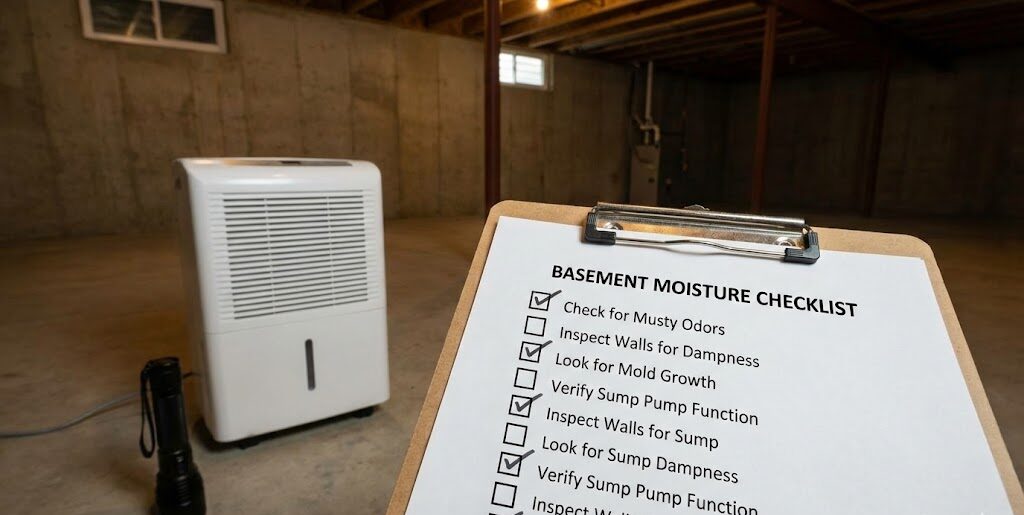
Basement Moisture Checklist: Fix Damp Basement Before Finishing the Space
Finishing over moisture is an expensive mistake. A finished basement can be one of the best ways to add livable square footage—family rooms, bedrooms, offices, guest suites, game rooms. But basements are also where water and humid air love to show up first. If you frame, drywall, and install flooring over unresolved moisture, the “extra living space” can turn into an ongoing cycle of musty smells, peeling paint, warped materials, and repeated repairs.
This basement moisture checklist is designed for homeowners who want to plan a basement finish with confidence. It walks you through a practical, step-by-step process to:
- Identify common basement finishing moisture issues (bulk water, humidity, condensation, air leaks)
- Prioritize fixes starting outside (where most water problems begin)
- Create a simple, realistic basement humidity control plan
- Address basement drainage air sealing and insulation choices so moisture doesn’t get trapped behind walls
- Select materials that tolerate basement conditions
- Know when it’s time to bring in a qualified pro
The Fortress Builders is a Utah design–build company built on one principle: strength through structure. We start every remodel with a clear blueprint that aligns layout, systems (water, air, electrical), materials, and budget—then build with disciplined project management and durable craftsmanship. That approach matters in basements, where moisture, air movement, and insulation details can make or break long-term comfort.
Helpful internal links while you plan:
- Basement Finishing in Utah: Space, Comfort & Value
- Basement Moisture Management & Protection Systems
- Basement HVAC & Ventilation: Keeping Finished Spaces Comfortable Year-Round
- Basement Insulation Basics for Comfort and Sound Control
- Radon and Basement Finishing: When to Test and How to Plan Mitigation
- Permits and Inspections for Basement Finishing: What to Expect in Utah
- Request a Design Consult
Important note: If this checklist discusses drainage, grading, sump systems, ventilation, electrical, or any building code topics, remember details can vary by home type, soil conditions, climate, and local requirements. Confirm specifics with qualified professionals and local authorities—especially before installing new drainage systems, electrical components, or structural repairs.
Before you buy flooring or start framing: find out how moisture moves in your basement
If you take only one thing from this article, make it this: basement moisture usually isn’t “one problem.” It’s often a combination of water, vapor, and air movement—and the fix is almost always a system, not a single product.
Basement moisture commonly comes from one (or more) of these pathways:
- Bulk water (rain or groundwater) entering through cracks, window wells, or at the slab edge.
- Capillary moisture wicking through concrete and masonry (concrete is porous).
- Water vapor moving from damp soil into the basement (vapor diffusion through materials).
- Humid air leaks that carry moisture into cool basement spaces where it condenses on cold surfaces.
- Plumbing/mechanical leaks (water heaters, HVAC condensate lines, laundry, bathrooms, softeners).
Homeowner-friendly mindset: Don’t ask “Do I have a moisture problem?” Ask: “Which moisture pathways are active in my basement?” That’s how you build a plan that holds up after drywall goes in.
Fast warning signs you should not ignore
Some basements clearly have moisture issues. Others are more subtle. These are common signals that it’s time to slow down and investigate before finishing:
- Musty odors that return even after cleaning
- Visible staining on walls or at the base of foundation walls
- Efflorescence (white, powdery residue on masonry)
- Rust on metal items stored along exterior walls
- Peeling paint or flaking concrete
- Condensation on pipes or on the inside of windows
- Swollen baseboards or warped flooring (even small amounts)
- Dehumidifier running constantly and still feeling damp
- Seasonal dampness (worse in spring runoff or humid summer months)
The Basement Moisture Checklist: a step-by-step order that prevents expensive rework
This checklist is arranged in the order that typically makes the most sense for homeowners:
- Start outside (because water management begins outside)
- Then evaluate the foundation and slab
- Then address humidity and air movement
- Then plan insulation and materials so you don’t trap moisture
- Finally, decide if you need professional help and what type
Pro tip: Take photos as you go. Moisture patterns change with seasons, storms, and snow melt—photos help you see patterns you might miss day-to-day.
Step 1: Exterior drainage checklist (most basement moisture problems start here)
If you’re trying to fix damp basement before finishing, the simplest place to start is the exterior water story: where rain and snowmelt go when they hit your roof and yard.
1A) Gutters and downspouts: are you catching and moving roof water away?
Roof runoff can dump a surprising amount of water right next to your foundation. If gutters overflow or downspouts empty too close to the house, you’re basically feeding the basement.
Gutter + downspout checklist
- Gutters are attached securely and not sagging.
- Gutters aren’t clogged (especially after fall leaves or spring storms).
- Downspouts discharge well away from the foundation (often several feet; exact distance depends on grading/lot conditions).
- Downspout extensions direct water to an area that slopes away from the house.
- No “splash craters” forming at the base of downspouts.
- During heavy rain, you don’t see overflow pouring against the foundation.
Why it matters: Even if your basement feels “mostly dry,” roof water pooling at the foundation can increase hydrostatic pressure and moisture movement through concrete over time.
1B) Grading and soil slope: does the ground tilt away from the house?
Your yard doesn’t need to look dramatic—but it should guide water away from the foundation instead of toward it. Low spots near the house, settled backfill, or hard surfaces that pitch the wrong direction can all push water where you don’t want it.
Grading checklist
- Soil slopes away from the foundation on all sides where possible.
- Mulch beds aren’t piled high against siding or foundation walls.
- Low spots near the house are filled and regraded so water doesn’t sit.
- Concrete paths/driveways don’t channel water toward the home.
- Sprinklers are not spraying directly against the foundation.
Planning note: Grading fixes can be a great “first investment” because they often improve the basement without any interior demo.
1C) Window wells: are they draining and staying clear?
Basement window wells can act like buckets if they’re filled with debris or not draining. Water can then find its way inside through window frames or foundation seams.
Window well checklist
- Wells are clear of leaves, soil, and debris.
- Water doesn’t stand in the well after rain.
- Window seals and frames look intact (no obvious gaps or rot).
- Well covers are used where appropriate to reduce debris and direct rain entry.
1D) Surface drainage “gotchas” homeowners often miss
- Neighboring downspouts or grading changes that redirect water onto your property
- Landscape edging that traps water against foundation walls
- Planters placed right against the home (constant watering near foundation)
- Snow storage (where snow piles melt later and saturate soil near the house)
Bottom line: If exterior water isn’t managed, interior solutions (dehumidifiers, paints, flooring) may only treat symptoms. Water management outside is the foundation of your basement finishing moisture plan.
Step 2: Foundation and slab checks (look for how water and vapor are getting in)
Once exterior drainage basics are addressed (or at least evaluated), move to the foundation. The goal is to understand whether you have:
- active water intrusion (liquid water coming in),
- vapor movement (dampness without visible leaks), or
- condensation (humid air hitting cold surfaces).
2A) Walk the perimeter: what do the walls tell you?
Start with a slow, flashlight walk around the basement perimeter—especially after rain or during spring melt. Look at the bottom 12–24 inches of walls first, then scan upward.
Foundation wall checklist
- Any horizontal cracks or bowing? (These can be structural—take seriously.)
- Any vertical cracks or stair-step cracks in masonry?
- Stains that look like “water lines” or recurring dark patches?
- White powdery residue (efflorescence) indicating moisture movement?
- Soft, flaking concrete or spalling?
- Musty smell strongest along one wall or corner?
- Previous patching that looks wet again?
Important: Not every crack means “big problem,” but some crack patterns can indicate structural movement or ongoing water pressure. If you’re unsure, it’s smart to consult a qualified professional—especially before you frame walls that could hide an active issue.
2B) Slab edges and the wall-to-floor seam: a common moisture entry point
Many basements show moisture at the seam where the slab meets the foundation wall. That doesn’t automatically mean the basement is “flooding,” but it does suggest water is arriving at the foundation perimeter and finding a pathway inside.
Common signs:
- Darkened slab edge or dampness at the perimeter
- Efflorescence at the wall-to-floor seam
- Recurring damp carpet or baseboard swelling along exterior walls
- Localized odors near corners
2C) Floor moisture: don’t assume “it’s concrete, so it’s fine”
Concrete slabs can transmit moisture. That matters a lot when you’re choosing flooring and building wall assemblies. A basement can feel “dry” and still have enough slab moisture to cause flooring failure later.
A simple homeowner test: the plastic sheet test (basic screening)
A common, simple screening method is taping a plastic sheet to the slab and leaving it for a day or two. If you see condensation under the plastic or darkened concrete, it suggests moisture vapor movement through the slab. This doesn’t replace professional testing, but it can help you decide whether you need a deeper moisture plan before finishing.
Important: Moisture behavior can change by season. If you’re planning a basement finish, it can be worth repeating checks during wet periods or when humidity is highest.
2D) Plumbing and mechanical moisture: basement “surprises”
Not all basement moisture comes from outside. Common interior sources include:
- Water heater leaks (even slow ones)
- Water softeners and drain lines
- Washing machine supply hoses or drain overflow
- HVAC condensate line clogs or leaks
- Bathroom plumbing (if a basement bath exists or is planned)
- Sump pump discharge issues (recycling water back near the foundation)
Mechanical + plumbing checklist
- Look for rust, mineral deposits, or staining around connections.
- Check floor drains (if present) for slow drainage or backups.
- Confirm sump pump operation (if present) and where it discharges.
- Look for condensation on cold water pipes (a sign of humidity/temperature conditions).
- If you have a humidifier attached to HVAC, confirm it isn’t contributing to basement dampness.
Step 3: Make a basement humidity control plan (because “dry” isn’t just “no leaks”)
Even if you don’t have visible water, basements can hold onto humidity—especially in humid months or in homes where warm, moist air is allowed to leak into cooler basement areas. This is where basement humidity control becomes a finishing prerequisite, not an afterthought.
What humidity problems look like in real life
- That “basement smell” that returns quickly after cleaning
- Condensation on pipes or ductwork
- Soft, damp-feeling fabrics in storage
- Rust on tools or metal shelving
- Warping or cupping in flooring
- Seasonal dampness (often worse in summer)
Set a target: what “controlled” humidity means
Many homeowners aim to keep basements in a comfortable range (often around the mid-range of indoor humidity) and, importantly, below levels that encourage mold growth. A simple approach is to use a basic hygrometer (humidity monitor) and adjust your strategy based on real readings.
Important: The “right” humidity target can vary based on your climate, HVAC strategy, and basement use. If you’re finishing the space, discuss appropriate targets with your HVAC professional or design–build team.
3A) Dehumidifiers: helpful tool, not the whole plan
A dehumidifier can be a big help—but it’s most effective when paired with:
- good exterior drainage (so you’re not fighting an endless moisture source),
- air sealing (so humid air isn’t constantly leaking in),
- and a reasonable strategy for where the collected water goes (drain line, pump, or manual emptying).
If your dehumidifier runs constantly and humidity stays high, treat that as a signal: something upstream needs attention (water entry, air leakage, ventilation balance, or a mechanical issue).
3B) HVAC and airflow: basements need balanced air, not “stale corners”
Finished basements feel best when temperature and airflow are consistent—no cold corners, no stale smells, no rooms that feel separate from the rest of the house.
This is why HVAC planning often belongs early in a basement finish. Learn more here:
Important: Ventilation and HVAC strategies vary by home. Adding returns, adjusting supply, or adding equipment should be planned by qualified professionals and designed to meet local requirements.
3C) Basements and outside air: when “fresh air” helps—and when it hurts
Homeowners sometimes try to “air out” a damp basement by opening windows. That can help in some conditions. In humid weather, it can make humidity worse—because you’re bringing moist outside air into a cooler space where it can condense.
Instead of guessing, use a humidity monitor. If opening windows increases humidity readings, you’ve learned something valuable: you need mechanical control (dehumidification, balanced ventilation, or HVAC adjustments), not just “airing out.”
Step 4: Air sealing checklist (the hidden part of basement moisture control)
Air sealing is often the missing link in basement finishing moisture issues. Why? Because air carries a lot of moisture. If warm, humid air can leak into wall cavities or hit cold foundation surfaces, it can condense—creating moisture problems even if you don’t have bulk water leaks.
This is where the keyword basement drainage air sealing matters: it’s not just about moving water away; it’s also about stopping humid air from getting into the wrong places.
4A) The rim joist area: a common air leak zone
The rim joist (where the framing meets the foundation) is a frequent source of drafts and air leakage. It’s also a place where condensation can happen if warm air meets cold surfaces.
Rim joist checklist
- Look for gaps where pipes, wires, or ducts penetrate.
- Check for drafty areas on cold days (or use a smoke pencil/hand test).
- Look for signs of past condensation or staining.
- Plan insulation and air sealing together (don’t just “stuff insulation” into gaps).
If you want a deeper dive into insulation strategies that support comfort and moisture performance, see:
4B) Penetrations, chases, and “stack effect” pathways
Homes move air. Warm air rises and escapes at upper levels, which can pull air from lower levels (including basements). If there are open chases or leaky penetrations, basements can become part of a continuous air pathway that brings moisture along for the ride.
Air leakage checklist
- Seal around plumbing penetrations through the foundation or slab.
- Seal around electrical penetrations and wire holes.
- Check utility chases that run from basement to attic (these often need air sealing at multiple levels).
- Inspect around ductwork penetrations and register boots.
- Check around basement doors and windows for obvious gaps.
Important: Air sealing details should be compatible with fire safety requirements and local code. Some penetrations require fire-rated assemblies. Confirm with qualified professionals.
Step 5: Insulation and wall assembly choices (avoid trapping moisture behind the finished walls)
Basements are different from above-grade walls. Concrete and masonry can be cool and can transmit moisture. That means the insulation strategy needs to be chosen carefully—so you don’t create a “moisture sandwich” behind drywall.
5A) The goal: warm the wall surface and control moisture movement
A durable basement wall assembly generally aims to:
- reduce condensation risk by keeping interior surfaces warmer,
- control air leakage,
- allow the wall system to dry appropriately (depending on assembly type),
- and avoid putting moisture-sensitive materials directly against damp concrete.
For a homeowner-friendly overview of insulation strategies and common pitfalls, start here:
Important: Insulation requirements and vapor control strategies vary based on climate zone, local code, and your home’s construction. Always confirm design and materials with qualified professionals before building.
5B) Don’t let the basement “finish” hide an active problem
This is where many basement remodels fail: the walls get built, the drywall goes up, and the space looks great—until moisture gets trapped behind the assembly and becomes an odor or mold issue later.
If you’re still seeing water stains, recurring dampness, or you can’t keep humidity controlled, pause the finishing plan and solve the moisture pathway first.
Step 6: Material selection checklist (choose finishes that can handle basement conditions)
Once you’ve addressed the moisture pathways (or at least built a realistic plan), materials matter. The basement is not the place for “fragile” finishes that assume perfectly dry conditions—especially if your basement has any history of dampness.
6A) Flooring: the #1 place moisture shows up after finishing
Flooring failures are common in basements because floors are closest to the slab, where vapor can move through concrete. The “best” flooring depends on your moisture profile, your comfort priorities, and how you’ll use the space.
Basement flooring checklist
- If you’ve had water on the floor before, prioritize water-tolerant flooring options and consider a full moisture management plan first.
- Confirm how the flooring manufacturer expects the slab moisture to be tested and handled (requirements vary by product).
- Plan transitions and baseboards with moisture in mind (avoid materials that wick water).
- Consider whether you need a subfloor system to create separation and comfort.
- Think about how you’ll handle spills, pets, and cleaning.
Homeowner reality check: Carpet can feel cozy, but it’s less forgiving if moisture returns. Tile and certain resilient floorings can be easier to maintain in moisture-prone environments—provided the slab and underlayment requirements are met.
6B) Wall finishes: focus on assemblies, not just drywall type
“Moisture-resistant drywall” can be helpful in appropriate locations, but it’s not a magic fix. The bigger question is what’s behind the drywall: air sealing, insulation, and moisture control strategy.
If you’re planning bathrooms, wet bars, or kitchenettes in the basement, moisture and plumbing planning becomes even more important. Related resources:
- Basement Bathrooms & Kitchenettes That Add Function
- Basement Bathroom Rough-In Guide: Plumbing, Venting, and Smart Placement
- Basement Kitchenette Planning: Power, Plumbing, and Layout Tips
6C) Trim and doors: small choices that prevent big headaches
Basement moisture often shows up first as swollen trim, warped door frames, or musty baseboards. If your basement has any moisture risk:
- Choose trim strategies that don’t wick moisture easily.
- Keep materials slightly separated from floor surfaces where appropriate.
- Consider how cleaning and spills will be handled.
Step 7: Moisture management systems (when “simple fixes” aren’t enough)
Sometimes gutters and grading aren’t enough. Some basements need more formal moisture management systems—especially if the home is in an area with higher groundwater, certain soil types, or persistent seasonal wetness.
This is where an experienced team matters. Fortress approaches basements with a systems mindset, including dedicated strategies for:
- managing water at foundation walls,
- protecting finished materials,
- and maintaining long-term comfort.
Learn more about Fortress’s approach here:
Step 8: Health and indoor air quality considerations (including mold and radon planning)
Basements are part of your home’s living environment. If you’re finishing the space, you’re not just creating square footage—you’re creating indoor air that your family will breathe more often.
8A) Mold: don’t “finish over” it
If you have visible mold growth or persistent musty odors, treat it as a signal that moisture is active. Cleaning alone won’t solve a moisture source. In many cases, it’s wise to consult a qualified remediation or building professional to evaluate the scope and identify why mold is present.
Important: Mold can have health impacts, especially for people with asthma, allergies, or compromised immune systems. If you have concerns, consult a healthcare professional and a qualified remediation expert.
8B) Radon planning belongs early
Radon is an odorless gas that can accumulate in lower levels of homes. If you’re finishing a basement, it’s smart to think about radon testing and mitigation early—because mitigation is often easier to coordinate before walls and finishes are installed.
Start here:
Important: Radon guidance and testing recommendations can vary by region and home conditions. Consult local resources and qualified professionals.
Step 9: “Go / No-Go” decision points before you frame
This is the moment that saves homeowners from regret: deciding whether it’s truly time to start finishing, or whether you need to address moisture first.
| Condition | What It Often Means | Suggested Next Step |
|---|---|---|
| Recurring water on the floor | Active water intrusion / drainage issue | Address exterior drainage + evaluate foundation entry points; consult a pro if recurring |
| Musty smell + high humidity readings | Humidity control/air movement issue (may include hidden moisture) | Build a basement humidity control plan (monitor + dehumidification + air sealing + HVAC review) |
| Efflorescence / damp wall patches | Moisture moving through masonry | Evaluate exterior drainage and moisture management approach; avoid trapping moisture behind finishes |
| Condensation on pipes/ducts | Humid air contacting cold surfaces | Improve humidity control and air sealing; review insulation strategy |
| Large cracks or signs of movement | Possible structural issue | Consult a qualified structural professional before finishing |
Rule of thumb: If you can’t keep your basement “dry and stable” through the wettest and most humid parts of the year, you’re not ready to hide the walls behind drywall yet.
Step 10: When to call a pro (and which type)
Some basement checks are DIY-friendly. Some aren’t. If you see signs that the moisture issue is beyond basic fixes, bringing in the right professional early can save money and prevent finishing mistakes.
Call a qualified professional if you see:
- Repeated water intrusion after storms or seasonal melt
- Cracks that appear to be widening, horizontal cracks, or wall bowing
- Water coming up through the slab or frequent puddling
- Persistent high humidity that doesn’t respond to dehumidification and air sealing
- Visible mold growth or health symptoms associated with basement air
- Sump pump failures or unclear discharge behavior (water recycling to foundation)
- Major grading or drainage redesign needs (especially near property lines)
Who you might need: Depending on the issue, this could include a foundation specialist, drainage professional, HVAC professional, structural engineer, or a design–build contractor who can coordinate a full moisture-first strategy.
Copy/paste Basement Moisture Checklist (quick version)
Use this quick checklist before you finish a basement:
Exterior Water Management
- Gutters clear, attached, and not overflowing
- Downspouts discharge well away from foundation
- Ground slopes away from the house (no low spots near foundation)
- Window wells clear and draining (no standing water)
- Hard surfaces don’t pitch water toward the home
Foundation + Slab
- No recurring stains or damp patches on walls
- Wall-to-floor seam checked for dampness
- Basic floor moisture screening performed (and repeated in wet/humid season if needed)
- No signs of structural movement (bowing, large horizontal cracks)
Mechanical + Plumbing
- No evidence of water heater leaks, softener leaks, or washer overflow
- HVAC condensate line draining correctly
- Sump pump operation verified and discharge goes away from foundation
Basement Humidity Control
- Humidity monitored (hygrometer) and stays in a comfortable, controlled range
- Dehumidifier strategy planned (including drainage plan) if needed
- HVAC/airflow plan supports consistent comfort
Air Sealing + Insulation
- Rim joist area evaluated for drafts/condensation risk
- Penetrations and chases planned for air sealing (fire safety considered)
- Basement wall assembly designed to avoid trapping moisture
Materials
- Flooring selected based on slab moisture reality and manufacturer requirements
- Trim/baseboards chosen with moisture tolerance in mind
- Bathrooms/wet areas planned with ventilation + moisture strategy
Health + Safety
- Any mold concerns addressed at the source (not hidden)
- Radon testing/mitigation considered before finishing
- Permits/inspections confirmed for the scope of work
Common homeowner questions (PAA-style) about basement moisture and finishing
“My basement is only damp sometimes. Can I still finish it?”
“Sometimes damp” is exactly the pattern that causes expensive basement finishing moisture issues—because finishing materials don’t care whether dampness is occasional. If dampness happens during storms, spring melt, or humid months, you’ll want a moisture-first plan that addresses the cause (often exterior drainage) and includes humidity control. It’s usually safer to stabilize the basement through your worst season before you close walls.
“Can I just paint the basement walls with waterproof paint?”
Coatings can sometimes reduce minor dampness or improve appearance, but they typically don’t solve the root cause if water is getting to the foundation. If you paint over active moisture movement, you can still end up with peeling coatings and hidden moisture behind finished walls. Use paint as a finishing layer—not as the only moisture strategy.
“Is a dehumidifier enough to fix the problem?”
A dehumidifier is often part of a basement humidity control plan, but if you have bulk water intrusion or significant air leakage, a dehumidifier may be fighting a losing battle. The best approach is usually: manage exterior water + seal air leaks + control humidity mechanically as needed.
“Do I need a sump pump?”
Some homes benefit from sump systems, especially if groundwater pressure is an issue. Whether you need one depends on your home, soil conditions, and the moisture pathway causing problems. If you’re unsure or if water shows up repeatedly, consult a qualified professional before finishing.
“Do I need permits to finish my basement?”
Many basement finishing projects involve permits and inspections—especially when electrical, plumbing, HVAC changes, or sleeping rooms are involved. Requirements vary by location and project scope. Fortress provides a homeowner overview here:
How Fortress Builders approaches basements: moisture-first, comfort-forward, built to last
Finishing a basement well isn’t just about making it look good. It’s about making it:
- dry (moisture managed),
- comfortable (temperature and airflow balanced),
- quiet (sound control where it matters),
- safe (code-compliant planning for bedrooms, baths, and egress),
- and durable (materials and assemblies that hold up over time).
That’s why Fortress starts with the fundamentals: water management, air sealing, insulation strategy, and mechanical planning—then builds a basement that feels like a natural extension of your home.
If you’re exploring basement finishing services, start here:
- Basement Finishing in Utah: Space, Comfort & Value
- Basement Remodel Portfolio — Finished Spaces
- Basement Moisture Management & Protection Systems
Before framing starts, get the moisture plan right
Finishing over moisture can lead to odors, damaged materials, and costly rework. A smart basement finish starts with a clear, step-by-step assessment—exterior drainage, foundation checks, humidity control, air sealing, and the right materials for basement conditions.
Request a Basement Assessment / Consult Explore Basement Finishing View Basement Portfolio